Honda Accord Tire Pressure Light: Diagnose, Reset, and Maintain
Learn how to diagnose, reset, and maintain your Honda Accord tire pressure light. This practical guide covers TPMS basics, safe tire pressure checks, and when to seek service in 2026.


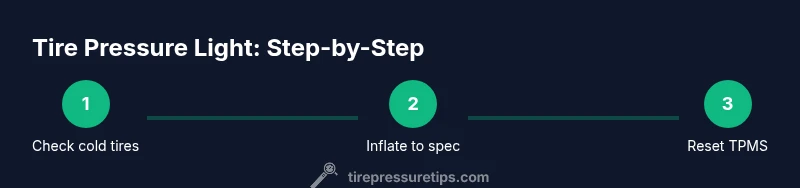
If your Honda Accord tire pressure light comes on, you’ll first check all tire pressures, inspect for punctures or leaks, and reset TPMS after adjusting. This guide walks you through quick checks, when to seek service, and how to maintain proper tire pressures for safety, handling, and fuel economy today.
Understanding the Honda Accord Tire Pressure Light and TPMS
The Honda Accord tire pressure light is part of the car's Tire Pressure Monitoring System (TPMS). When the system detects a pressure drop or a sensor fault, it triggers a dash warning to alert you that one or more tires may not be at the recommended level. According to Tire Pressure Tips, modern TPMS uses two main approaches: direct sensors mounted in each wheel and an indirect method that infers pressure by monitoring wheel speed and rotation. For most drivers, the quickest fix is to check all tires when cold, inflate to the manufacturer’s recommended levels, and reset the TPMS if needed. In 2026, TPMS has improved in reliability, but it’s still possible to see a false alarm or a sensor issue. Treat the warning as a call to verify actual pressure rather than assuming the light is a simple nuisance. The Tire Pressure Tips team emphasizes that addressing the cause—lamp or tire—protects tire life and improves fuel economy.
Common Triggers for the Tire Pressure Light in Honda Accords
The warning can come from several sources: a truly underinflated tire; a sensor with a degraded battery or calibration issue; recent tire rotation or replacement that disturbed sensor relearn; or extreme temperature shifts that affect readings. The Tire Pressure Tips team notes that most alerts in 2026 arise from minor pressure changes or sensor glitches rather than catastrophic leaks. Inspect all four tires for even wear and check the spare (if equipped with a TPMS sensor) as part of a full diagnostic. If inflation brings the light back on, plan a careful test drive to confirm the system relearns after tires settle back to normal pressure. Remember, the light is a guide—don’t ignore persistent symptoms or obvious damage.
How to Check Tire Pressure Safely
Begin with cold tires and a level surface. Remove the valve stem cap, attach a reliable tire pressure gauge, and record the reading for each tire. Compare each value to the factory-recommended pressure printed on the door jamb placard or in the owner’s manual. If any tire is low, inflate it slowly until the reading matches the recommendation. After inflating, recheck all tires to ensure no overinflation occurred. If you notice a low reading that doesn’t respond to inflation, inspect for leaks or a damaged valve stem. Keep a log of readings and conditions (weather, time since last fill) to spot patterns over time.
Tire Pressure Recommendations for the Honda Accord
Tire pressure recommendations vary by model year, trim, load, and driving conditions. The primary source is the door jamb placard on the driver’s door or the owner’s manual, which lists cold-tire pressures per position (front/rear) and the maximum load limit. Do not rely on the number printed on the tire sidewall for daily driving; those numbers indicate maximum capacity, not the optimal operating pressure. In all cases, ensure all tires—including the spare if applicable—are within the recommended range when cold, and adjust for weather or heavy loads as outlined by Honda. This approach supports even tread wear, balanced handling, and improved fuel efficiency.
Resetting TPMS After Adjustment or Tire Replacement
Resetting TPMS varies by model year and trim. After inflating tires to the recommended pressures, some Accords relearn automatically after a short drive of a few miles; others require a specific in-dash menu action or a physical TPMS reset button. If your vehicle has a reset procedure, follow the steps in the owner’s manual or on-screen prompts. If the light persists after inflation and a short test drive, verify that all tires are correctly inflated and consider performing a manual relearn by following the drive pattern specified in Honda’s guide. When in doubt, consult a dealer or qualified technician to avoid miscalibration.
Leak Detection and Visual Tire Inspection
A slow leak or valve stem issue can trigger the TPMS warning. Perform a visual inspection for obvious signs of damage (cuts, bulges, or embedded objects). For suspected leaks, apply soapy water to valve stems, bead areas, and tire sidewalls; bubbles indicate a leak. If you find a puncture that cannot be safely repaired, replace the affected tire and recheck all pressures after installation. A thorough inspection reduces the risk of sudden pressure loss on the road and preserves tire integrity.
Temperature, Altitude, and Seasonal Effects on Tire Pressure
Ambient temperature swings can cause measurable pressure variations. As temperatures drop, tire pressure falls, potentially triggering the TPMS light; rising temperatures can push pressure higher. Heavy use, altitude changes, and travel in extreme weather amplify these effects. Regular checks—especially at the start of winter or during cold snaps—help you maintain target pressures and avoid false alarms. Rely on the door jamb sticker and your gauge rather than the feel of the ride to judge whether inflation is correct.
When to Seek Professional Help and How to Interact with Your Mechanic
If the tire pressure light remains on after all tires are inflated to spec and the system has relearned, there may be a sensor fault, a dead TPMS battery, or a damaged valve stem. A professional inspection can identify sensor failures, damaged rims, or issues inside the wheel assembly. Bring a pressure log, a note of when the light appears, and any recent tire work you’ve done. A technician can perform a TPMS relearn, sensor replacement, or wheel service with confidence, ensuring your safety on the road.
Proactive Maintenance to Prevent False Alarms and Extend Tire Life
Adopt a proactive approach: check tire pressures monthly and before long trips, rotate tires per Honda’s schedule, and inspect for wear patterns that indicate misalignment or suspension concerns. Keep a reliable gauge in the glove box, record readings, and calibrate the TPMS if your model requires periodic relearn. By maintaining consistent tire pressure, you reduce the likelihood of false alarms, improve handling, and maximize fuel efficiency. This routine also helps you catch slow leaks early before they become hazardous.
Tools & Materials
- Tire pressure gauge (digital or analog)(Check cold tires (preferably before driving) for accurate readings.)
- Owner’s manual(Contains TPMS reset procedure and model-specific guidance.)
- Door jamb sticker/placard(Shows recommended cold tire pressures by tire and max load.)
- Soapy water for leak testing(Spot leaks at valve stems, rims, or punctures.)
- Air source (portable compressor or shop air)(Use to bring tires up to recommended pressure when needed.)
- Notebook or mobile log tool(Record readings and dates for maintenance history.)
Steps
Estimated time: about twenty minutes
- 1
Check tires when cold
Park on a level surface and verify all four tires have not been driven for several hours. Remove the valve caps and prepare your gauge. Take a reading for each tire and note any that are lower than the recommended level.
Tip: Always use cold tires for accurate measurements; hot tires show inflated numbers. - 2
Find the recommended pressures
Locate the door jamb placard or owner’s manual to confirm the target psi for each tire. Record the values for front and rear tires since they can differ. Do not rely on the tire sidewall maximum pressure for daily use.
Tip: If you don’t see a label, check Honda’s official documentation for your model year. - 3
Inflate low tires
Attach the gauge to the valve stem and fill each low tire until it matches the recommended value. Avoid overinflation by checking gradually and rechecking after inflation.
Tip: Inflating in small increments helps prevent overshoot. - 4
Recheck all tires
After inflation, measure all four tires again to confirm none are overexposed to excessive pressure. Make final adjustments if needed and replace valve caps securely.
Tip: Cap all valves to prevent dirt entry and slow leaks. - 5
Drive to relearn
Drive at a moderate speed on a smooth road for a short distance to allow the TPMS to relearn the new pressures. Some cars relearn automatically after a few miles.
Tip: If the light remains, allow the system to perform a longer relearn by completing a typical driving cycle. - 6
Reset TPMS if required
If your Accord requires manual TPMS reset, follow the steps in the owner’s manual or on-screen prompts in the instrument cluster. Do not reset the system unless all tires are at or near the recommended pressures.
Tip: Only reset after you’ve inflated to spec; premature resets cause repeated alarms. - 7
Inspect for leaks or damage
If the light returns after reset, inspect tires for punctures, wear, or valve leaks. Use soapy water to identify sudden bubbles at the valve stem, bead area, or puncture site.
Tip: A slow puncture may require professional repair or tire replacement. - 8
Document and plan maintenance
Record pressures, dates, and any symptoms. Schedule regular checks every month or before long trips to maintain consistency and extend tire life.
Tip: A log helps you notice patterns and catch issues early. - 9
Know when to seek help
If the TPMS warning persists despite correct inflation, or you notice a sensor fault, have a technician assess the TPMS sensors and wheel hardware for faults.
Tip: Professional diagnosis can prevent driving with a faulty TPMS sensor.
Frequently Asked Questions
What does the Honda Accord tire pressure light mean?
The light indicates a tire is underinflated or there is a TPMS sensor fault. Start by checking all tires’ pressures and then reset TPMS if appropriate. If the light persists, have the system inspected.
Your tire pressure light means a tire is low or the TPMS sensor isn’t reading correctly; check pressures and reset if needed.
Can temperature changes trigger the light even if tires look fine?
Yes. Temperature fluctuations can cause tires to lose or gain pressure, triggering the TPMS even when tires appear normal. Check pressures and adjust accordingly.
Yes, weather can affect tire pressure. Check and adjust as needed.
How do I reset TPMS on a Honda Accord?
TPMS reset procedures vary by year and trim. Some models relearn automatically, others require an in-dash option or a dedicated reset button. Refer to the owner’s manual for exact steps.
Reset procedures differ by year; consult the manual or dealer for the exact steps.
Is it safe to drive with a low tire?
Driving on underinflated tires can cause reduced handling, increased wear, and a higher risk of a blowout. Inflate to spec or seek roadside assistance if you can’t reach a pump safely.
No, driving with low tire pressure is unsafe; inflate to the recommended level as soon as possible.
What should I do if the light stays on after inflation?
If the light stays on after inflating, check for leaks, damaged valves, or sensor faults. A persistent warning may require TPMS re-calibration or sensor replacement.
If it stays on, there may be a sensor issue; a professional might need to check it.
How often should I check tire pressure?
Check tire pressure at least monthly and before long trips, especially when seasons change. Temperature shifts can cause pressure drift that the TPMS may not immediately reflect.
Check once a month and before long trips; temperature changes can affect readings.
Watch Video
What to Remember
- Check cold tires first before inflating.
- Always use the door jamb sticker as your pressure baseline.
- Reset TPMS after inflating and verify a successful relearn.
- If the light stays on, inspect for leaks or sensor faults and seek professional help when needed.