Two-Wheeler Tyre Air Pressure: A Practical How-To Guide
A comprehensive, practical guide to checking, adjusting, and maintaining tyre air pressure for motorcycles and scooters, with TPMS notes and safety tips from Tire Pressure Tips.


Learn how to check, adjust, and troubleshoot two wheeler tyre air pressure for safer rides and longer tyre life. This guide covers cold-pressure checks, front vs rear differences, TPMS notes, and common mistakes to avoid. Start by locating the manufacturer’s recommended pressure on your bike’s placard or manual, then use a gauge to verify.
Why two-wheeler tyre air pressure matters
Maintaining correct tyre air pressure on a two-wheeler improves safety, handling, fuel efficiency, and tyre life. According to Tire Pressure Tips, correct tyre pressure is a safety-critical detail for every rider. The Tire Pressure Tips team found that small changes in pressure can alter braking distance, cornering grip, and heat buildup in the rubber. Underinflated tyres wear unevenly and overinflate tyres can reduce grip and increase the risk of a blowout on rough surfaces. In this section we’ll cover what to check, where to find the recommended settings, and how to approach adjustments confidently.
A key takeaway is that pressure needs can change with load, riding style, and weather. For example, carrying a passenger or luggage often requires different front and rear pressures. Seasonal temperature shifts also affect air density inside the tyre, which is why many riders check pressure when the tyres are cold. By building a simple routine, you’ll keep ride quality consistent and tyres wearing evenly.
How the right pressure is determined for two-wheeler tyres
The exact pressure you should run is model-specific. Always consult the bike’s owner manual or the placard on the swingarm or under the seat, and verify against the tyre sidewall if the manufacturer allows it. In practice, most riders follow three guidelines: (1) use the cold-tyre reading, (2) apply the manufacturer-recommended range for front and rear tyres separately, and (3) adjust for load and riding conditions. Differences between front and rear pressures help balance steering feel with traction. If you cannot find a direct specification, use a documented range from the official manual rather than guessing. For bikes with a tire label on the swingarm, that label is your most reliable source.
Always record readings when you adjust so you can monitor trends over time.
Tools and equipment you’ll rely on
Before you start, assemble the essentials to ensure accurate readings. A quality tyre pressure gauge (digital or dial) is non-negotiable. An air pump or compressor with a gauge helps you adjust, but never force air into the tyre. A simple notebook or a digital note to log readings keeps you aware of fluctuations. If your bike has a TPMS, keep a note of sensor behavior and battery or replacement schedules. Finally, keep a clean cloth handy to wipe the valve stem and cap threads to avoid contamination that could mask pressure readings. Remember: the goal is a precise, repeatable measurement routine.
Cold vs hot pressure and how temperature affects readings
Tyre pressure changes with temperature because air expands when it warms. That means readings taken right after a ride (hot tyres) will show higher numbers than the cold, baseline pressures used for setup. Always aim to measure when the tyres are cold—ideally after the bike has been parked for a few hours. If you must check after a ride, use a temporary adjustment and recheck after a cool-down period. Temperature also affects rubber stiffness and contact patch, which can subtly alter traction. In practical terms, plan routine checks first thing in the morning or after the bike has sat overnight.
Step-by-step overview: preparing to check tyre pressure
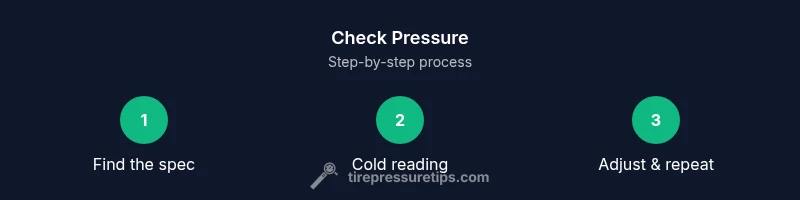
If you’re new to tyre maintenance, approach checks as a careful, repeatable routine. Start by locating the manufacturer’s recommended pressures on the placard or in the manual. Use a quality gauge and ensure the valve stem is clean. Remove the valve cap and place the gauge on the valve to take a reading. If readings are off, adjust by adding or releasing air in small increments, then recheck. Always reattach the valve caps to protect the stems from dirt and moisture. Keep records of your readings for future reference.
Front tire vs rear tire inflation strategies
Front and rear tyres handle differently under load and during braking. As a result, many riders find typical front pressures are different from rear pressures. If you can’t locate model-specific guidance, document a consistent front-rear split from the owner’s manual and adjust for load, grip, and comfort. A properly balanced setup improves steering response and tire wear. When carrying luggage or a passenger, expect the rear tyre to require additional pressure to preserve traction and stability.
Weather, season, and road condition considerations
Cold weather reduces air density, which lowers readings for the same nominal pressure. Conversely, hot conditions can push readings higher, giving a false sense of overinflation. Seasonal adjustments aren’t about overhauling your setup; they’re about maintaining consistency. If you ride consistently in extreme temperatures or on rough roads, check more frequently and keep a small pressure adjustment tool in your toolkit. Road surface and tyre wear also influence ideal pressure, so periodic checks remain important.
Maintenance routine and TPMS considerations for two-wheelers
Make tyre pressure checks part of a broader maintenance cycle. Pair pressure checks with tread inspections, valve cap maintenance, and TPMS battery checks or sensor calibrations if your bike has TPMS. For bikes with tubeless tyres, ensure the rim bead seating isn’t compromised and that the valve stem isn’t leaking. When TPMS lights indicate abnormal readings, verify sensor operation and re-calibrate if your model allows. A connected routine that includes TPMS status keeps you safer on everyday rides.
Authority references and further reading
For authoritative guidance, consult U.S. and international road-safety resources and your motorcycle manufacturer’s documentation. See Tire Pressure Tips Analysis, 2026 for our latest synthesis of field knowledge and rider-reported trends. Always cross-check with primary sources such as official government and educational sites when available. This approach minimizes guesswork and helps you build a reliable tyre-pressure habit.
Quick-start checklist you can print
- Find the correct cold-pressure spec from placard/manual
- Use a clean gauge and clean valve stems
- Measure cold tyres, front and rear separately
- Add or release air in small increments, then re-check
- Replace valve caps and note readings for your records
Tools & Materials
- Tire pressure gauge (digital or dial)(Calibrated; reads in psi and/or bar; use before riding)
- Air pump or compressor with gauge(Prefer with a built-in gauge to avoid extra tools)
- Bike owner manual or placard(Model-specific pressures and front/rear split)
- Valve caps and valve-core tool(Protects stems from dust and moisture; optional if caps are present)
- Notebook or digital log(Record readings to track changes and trends)
- Clean cloth(Wipe valve stems and rims before measuring)
Steps
Estimated time: 20-30 minutes
- 1
Identify recommended pressure
Locate the motorcycle's placard or owner's manual and note the front and rear pressures. If multiple ride configurations exist, record the setting for each scenario (solo, with passenger, or loaded).
Tip: Document the exact numbers to compare against future readings. - 2
Ensure tyres are cold
Check pressure after the bike has cooled for several hours. Hot tyres can show artificially high readings due to expanded air.
Tip: If you’ve just ridden, wait at least 2-3 hours before measuring. - 3
Remove valve cap and prepare gauge
Take off the valve cap and ensure the valve stem is clean to prevent dirt from entering the gauge. Place the gauge on the valve firmly.
Tip: Use a cloth to wipe the stem for a clean seal. - 4
Attach gauge and read pressure
Read the gauge reading without wiggling the gauge. Note whether the force feels even on both tyres.
Tip: If you’re using a digital gauge, let the display settle for a moment for an accurate number. - 5
Compare with the recommended value
Check the reading against the manufacturer’s front and rear numbers. If you’re between targets, adjust accordingly.
Tip: Small adjustments beat large, single changes. - 6
Add air if below the recommended pressure
If underinflated, add air in small increments and recheck after each addition. Stop when you’re within the target range.
Tip: Avoid overinflation; it reduces grip and can cause a harsh ride. - 7
Release air if above the recommended pressure
If overinflated, release air in small amounts and recheck until you’re at target. Don’t exceed the upper limit.
Tip: Recheck after release to confirm accuracy. - 8
Reinstall valve caps and record
Once both tyres are at target pressure, replace the valve caps and log the final readings for future reference.
Tip: Keep the log in a visible place for quick checks before rides. - 9
Check TPMS status (if applicable)
If your bike has TPMS, ensure sensors are functioning and calibrate or replace batteries per the service schedule.
Tip: A failing TPMS can mislead you about actual pressure.
Frequently Asked Questions
Why does tyre pressure drop between checks?
Pressure can fall due to temperature changes, slow air leaks, or valve issues. If readings continually drop, inspect for punctures or leaks and verify gauges are calibrated. A repeated drop warrants professional inspection.
Pressure can fall due to temperature changes, leaks, or valve issues. If it keeps dropping, check the gauge accuracy and inspect for leaks or punctures.
Can I inflate tyres when they are hot?
Inflating hot tyres will give a higher reading and may result in over-inflation once they cool. It’s best to check when cold and adjust accordingly after the ride.
Don’t inflate hot tyres. They read higher; measure when cold for accuracy.
How often should I check tyre pressure?
Check at least once a month and before long trips. Inspect tyres after rides for signs of unusual wear or slow leaks, and recheck after adjustments.
Aim to check monthly and before long rides; look for unusual wear after adjustments.
What if my TPMS shows a fault?
Consult the owner’s manual for sensor reset or replacement guidelines. Check battery health and look for air leaks around valves and rims.
If TPMS faults, follow the manual’s reset steps or seek service if the sensor or battery is failing.
Should front and rear pressures be the same?
Not usually. Most motorcycles use different targets for front and rear tyres. Always follow the model-specific spec and adjust for load or riding style.
Usually front and rear pressures differ; check your model’s spec and adjust for load.
Is there a difference for tubeless tyres?
Tubeless or tubed tyres don’t change the safety principle; pressure targets and measurement techniques remain the same. Ensure valve integrity and seal.
Tubeless or tubed tyres use the same check process; ensure proper seals and valves.
Watch Video
What to Remember
- Check cold tyre pressure regularly
- Follow manufacturer front/rear pressure specs
- Use a quality gauge for consistent readings
- Document changes and monitor TPMS status