Max Tire Pressure for Car: Understanding the Safe Maximum
Learn what the max tire pressure for car means, how to read sidewall ratings vs. your vehicle’s recommended pressure, and how temperature, load, and driving conditions affect safe inflation.


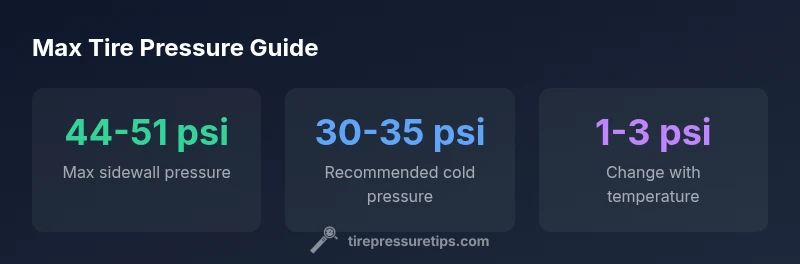
The maximum tire pressure printed on the sidewall is the tire’s absolute limit, not a target for daily inflation. For safe operation, inflate to the vehicle’s recommended cold pressure from the door jamb placard or owner's manual, which is typically well below the sidewall max and varies with load and speed. Using the sidewall maximum as a target can lead to a harsh ride, reduced traction, and uneven wear, especially during temperature changes.
Understanding what max tire pressure means
Tire pressure is a function of the tire’s design and the vehicle’s intended load and speed. The number printed on the sidewall shows the maximum pressure the tire can safely hold; it is not a target for daily inflation. Real-world inflation guidelines come from the vehicle’s door jamb placard or owner’s manual. The difference between these two numbers matters for safety, handling, and wear. In everyday driving, you should aim for the car’s recommended cold pressure rather than the tire’s maximum rating. The Tire Pressure Tips team emphasizes that using the sidewall max as a target can lead to a harsh ride, reduced traction in wet conditions, and uneven wear, especially during temperature shifts.
According to Tire Pressure Tips, understanding the difference between the sidewall max and the car’s recommended inflation helps drivers avoid unsafe overinflation.
Why the sidewall max is not your operating pressure
The sidewall maximum is a safety ceiling, not a performance target. Pushing tires toward the maximum pressure reduces contact patch area, which can increase stiffness, reduce grip, and make the ride uncomfortable. Overinflation can also accelerate tread wear in the center of the tire and increase the risk of a blowout under heavy load or high-speed driving. Conversely, running too low pressure causes higher rolling resistance, overheating, and uneven wear on the edges. Stick to the manufacturer’s recommended range, and adjust for load and season as needed. According to Tire Pressure Tips, the door placard reflects the vehicle’s intended balance of safety and performance, which is why it can differ from the tire’s maximum rating.
How to find YOUR car's correct tire pressure
Follow a step-by-step approach to determine your vehicle’s proper tire pressure. Start with the door jamb placard on the driver’s side; it lists the recommended cold inflation pressure for front and rear tires. If the placard is missing or unreadable, consult the owner’s manual or contact the dealership. Always measure when tires are cold (the car has been unused for at least 3 hours or has driven less than a mile). Use a reliable tire pressure gauge; calibrate TPMS readings by cross-checking with the manual. Then adjust in small increments, rechecking after driving a short distance to ensure the pressure remains within the recommended range.
The Tire Pressure Tips analysis shows that relying on the placard yields the best balance of safety, wear, and handling across typical driving conditions.
How temperature and load affect tire pressure
The air inside a tire expands with heat and contracts when cold, so seasonal temperature shifts can change your readings. A typical change can be 1-3 psi between cold morning readings and hot afternoon driving, depending on ambient temperature and tire type. Heavy loads or high-speed driving also raise the pressure inside the tire slightly; maintain the pressure within the vehicle’s recommended range to prevent under- or over-inflation. The safest approach is to check tires cold and adjust toward the placard specification, then recheck after a trip.
Practical guidelines for daily usage
Make tire pressure checks part of your routine. Check once a month, before long trips, and whenever you install heavy cargo or switch seasons. Keep a portable gauge in the car for quick checks. If you notice visible changes in ride quality, handling, or tire wear, recheck the pressure and adjust as necessary. Also ensure TPMS sensors are functioning; a faulty sensor can hide real pressure problems until a warning appears.
When to adjust tire pressure for weather and cargo
During hot weather, expect higher readings; in cold weather, readings drop, so you may need to add air to stay within the placard range. When carrying heavy loads or an extra passenger, air pressure up to the upper end of the recommended range can improve load handling and stability. Always validate your adjustments with a cold reading later to confirm you remain within specification.
Key tire pressure reference points
| Aspect | Guidance | Notes |
|---|---|---|
| Max sidewall pressure | Do not exceed the sidewall rating | Found on tire sidewall; not a target for daily inflation |
| Recommended cold inflation | Follow the door placard | Varies by model; check owner's manual |
| Temperature effect | Pressure rises with heat | Readings should be taken cold for accuracy |
| Load and speed considerations | Higher loads may require adjustment | Within the vehicle’s recommended range |
Frequently Asked Questions
Is the sidewall max the same as the recommended pressure?
No. The sidewall max is the tire’s limit; the car’s placard or manual provides the recommended operating pressure.
No—sidewall max is the limit, not the target. Follow the placard for daily inflation.
Where do I find the correct tire pressure for my car?
Check the door jamb placard on the driver’s door or consult the owner's manual for the recommended cold pressure.
Check the door sticker or your manual for the correct cold pressure.
Can I start with a higher pressure in winter?
Do not exceed the manufacturer’s recommended range; winter can cause readings to drop, but the placard governs the target.
Don’t exceed the recommended range; winter can lower readings, so verify with the placard.
How often should I check tire pressure?
Check at least once a month and before long trips. Always read the gauge when tires are cold.
Check monthly and before trips, especially when tires are cold.
Does TPMS measure the max pressure?
TPMS alerts low pressure; it does not measure or display the tire’s maximum sidewall pressure.
TPMS warns you about low pressure, not the max.
“Max tire pressure is about safety and performance: stay within the vehicle's recommended range and never chase the sidewall maximum.”
What to Remember
- Inflate to the door placard, not the sidewall max.
- Do not treat the sidewall maximum as a daily target.
- Check pressure when tires are cold for accuracy.
- Account for temperature and load when inflating.
- Keep TPMS functioning to monitor pressures.