Goodyear Tire Pressure Guide: Check, Maintain, and Optimize
Learn how to check and maintain Goodyear tire pressure. This guide covers PSI targets, TPMS basics, and seasonal adjustments for safer, more efficient driving.


With this goodyear tire pressure guide, you will learn how to find the right PSI, check pressure accurately, and adjust for temperature changes and vehicle load. You will also understand TPMS basics, how to use a gauge, and when to service seals or tires. Follow practical steps to improve safety, fuel efficiency, and tire longevity.
Understanding tire pressure basics for Goodyear tires
Tire pressure is more than a number on a gauge; it defines how your Goodyear tires perform, wear evenly, and respond to road conditions. Proper inflation affects grip, braking, ride comfort, and fuel efficiency. A common misconception is that higher pressure always improves performance; in reality, the best pressure is the one specified for your vehicle and tire size. The Goodyear tire pressure guide emphasizes following the vehicle manufacturer’s cold inflation specification for each axle and considering load, driving style, and climate. According to Tire Pressure Tips, starting from this baseline helps you build a reliable maintenance routine and reduces the risk of underinflation or overinflation. This section lays the groundwork: what cold inflation means, how the tire and rim shape pressure, and why temperature and load matter. You will also learn how to tell when a readout is trustworthy and when to recheck after a drive or after air conditioning service. By the end, you will know where to look first and how to interpret readings in the context of Goodyear tires.
Finding the right pressure specification
Before you inflate or deflate, identify the correct pressure target. Most passenger cars display a cold inflation pressure on a sticker located on the driver’s door jamb or the B pillar. The Goodyear guide aligns these figures with Goodyear tire sizes and load ratings, but the sticker is always the primary reference because it reflects the vehicle s weight distribution and suspension. If you cannot find the door sticker, consult the owner s manual or Goodyear s online tire pressure resources. Remember the maximum pressure printed on the tire sidewall is not the target; it is a limit, not a recommendation. Use the recommended PSI for your specific tire and vehicle combination. For multi tire setups or different axle configurations, follow the separate front and rear targets. By routinely verifying the correct spec, you prevent misinflation that can lead to uneven wear and reduced handling. In this goodyear tire pressure guide, this step is essential to avoid guessing and ensures your measurements correspond to the actual tires in use.
Tools you need to check tire pressure
To check tire pressure accurately you will need a few reliable tools. The essential item is a tire pressure gauge whether digital or analog. A good gauge gives a clear reading and does not slip off the valve stem during measurement. Keep the vehicle manual or Goodyear reference handy so you can confirm the recommended PSI for each tire. A door jamb sticker is helpful, as it shows the baseline values for your exact configuration. A notebook or phone to record readings helps track changes over time, which is especially useful if you drive long distances or carry heavy loads. Optional aids include a small soap spray for leak detection and a compact air compressor for on the go adjustments. With these tools you can complete regular checks confidently and maintain optimal tire health.
Step by step check cold tire pressure
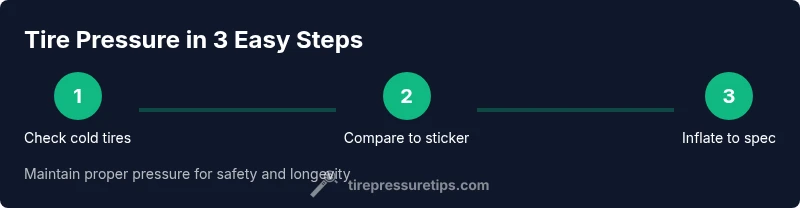
This section outlines the general approach to checking tire pressure with care and consistency. Start by parking on a level surface away from direct sunlight and heat sources. If tires have recently been driven or parked after use, wait a few hours until they are cold for an accurate reading. Remove the valve cap and place the gauge on the valve stem firmly to get a stable reading. Compare the result to the vehicle spec, and repeat on the other tires. If the measurement is significantly different from the target, inflate or deflate accordingly using a proper air source. Recheck after adjustments to ensure the reading holds steady. Pro tip always check the spare if you plan long trips and if you rotate tires regularly. This method helps you maintain even wear and consistent handling.
Authority sources
To support these recommendations, consult credible sources such as:
- https://www.nhtsa.gov/vehicle-safety/tires
- https://www.consumerreports.org/cars-t-driving/tires-inflation/
- https://www.goodyear.com/en-US/tires/maintenance/tire-pressure
Adjusting pressure for load speed and temperature
Tires behave differently with varying load and driving conditions. When a car is loaded with passengers or cargo, the front and rear tires may require slightly higher pressure to maintain shape and traction. For high speed or aggressive driving styles, the manufacturer may recommend a separate target that preserves handling and minimizes heat in the tire sidewall. Temperature changes across seasons also affect pressure; cold air reduces pressure and hot days raise it. In this goodyear tire pressure guide we emphasize starting from the baseline and adjusting in small increments rather than large jumps. Always aim to be within the prescribed range for your tires and axle while avoiding over inflation, which can lead to a harsher ride and uneven wear.
Understanding TPMS and service indicators
Tire pressure monitoring systems are designed to alert you when a tire drops below the recommended level. A TPMS warning light signals the need to check inflation and possibly top up air. If the light comes on after you adjust pressure, verify that the readings are correct, the valve stem is not damaged, and the sensor is functioning. Some vehicles require a reset procedure after correcting tire pressures; consult the owner manual or a trained technician if you are unsure. Remember that TPMS reflects pressure relative to the initial target and tire size, not a universal standard. This awareness helps you interpret warnings accurately and prevents unnecessary service calls. The goal is to maintain consistent psi across all tires while keeping the sensors in good condition.
Common mistakes and how to avoid them
Avoid inflating to the maximum rating printed on the sidewall; that is not a recommended operating pressure. Do not rely on a warm tire reading as a basis for inflation decisions. Inconsistent readings can come from using a worn gauge or failing to remove the valve cap before measuring. Do not neglect the spare tire, especially on longer trips. Keep gauge calibration up to date and store the tool in a place where it remains accurate. This section highlights frequent missteps seen in the field and offers concrete steps to prevent them. Following these tips helps you achieve even tread wear and predictable handling across Goodyear tires.
Goodyear specific tips for long term maintenance
Goodyear tires benefit from consistent maintenance and inspections. Schedule regular checks at least every month and before long road trips. Use the recommended tire pressures for front and rear axles and adjust for seasonal temperatures per the Goodyear guidance and the vehicle manual. Maintain proper inflation to support fuel efficiency and safe braking performance. Rotate tires as recommended by the vehicle maker and inspect valve stems for wear or cracks. This goodyear tire pressure guide emphasizes practical habits that compact the effort into a simple routine, ensuring your tires stay in optimal condition for longer.
Practical best practices and next steps
To solidify what you have learned, adopt a simple routine for tire pressure. Start with a cold reading after parking on level ground, then verify against the placard and the Goodyear tire pressure guide. Keep a small portable gauge in your glove box and logs of readings to track changes. If you notice persistent pressure loss, inspect for leaks, damaged stems, or bent rims. For ongoing maintenance, align your PSI with tire wear indicators and manufacturer loads. The Tire Pressure Tips team recommends building a quick weekly check into your driving routine and using the goodyear tire pressure guide as a reference. This practice reduces uneven wear, improves safety, and supports better fuel economy.
Tools & Materials
- Tire pressure gauge (digital or analog)(Calibrated; use on cold tires for accuracy)
- Vehicle owner’s manual or Goodyear tire pressure reference(Contains the recommended PSI by axle and load)
- Door jamb placard or tire pressure sticker(Shows the baseline values for your exact configuration)
- Notebook or smartphone for recording readings(Helpful to track changes over time)
- Soap spray for leak detection(Optional tool to identify slow leaks)
Steps
Estimated time: 15-20 minutes
- 1
Prepare the vehicle and tools
Park on a level surface away from heat. Gather your gauge, manual, and a pen to log readings. Inspect the valve stems for dirt or damage and ensure the tires are cool before starting.
Tip: Wipe the valve stem with a clean cloth to avoid fouling the gauge during measurement - 2
Find the correct pressure target
Locate the door jamb sticker or consult the Goodyear reference for your tire size. Note that the target differs between front and rear tires and may change with load.
Tip: If your vehicle uses different tires on each axle, record both targets and check them separately - 3
Check cold tire pressure with a gauge
Attach the gauge to the valve stem firmly and read the pressure. Repeat on all tires and compare with the specified targets.
Tip: Always measure cold tires; warm readings are unreliable and can mislead adjustments - 4
Inflate or deflate to spec
Add or release air until each tire reads within the recommended range. Recheck each tire to confirm stability after adjustment.
Tip: Inflate in small increments and recheck to avoid overinflating - 5
Check the spare and TPMS
If your vehicle has a spare, check its pressure as well. If your TPMS lights remain on after adjusting, consult the owner manual for calibration steps.
Tip: Some cars require a TPMS reset after inflation; follow the exact procedure in the manual - 6
Document and monitor
Record the readings and the conditions under which they were taken. Recheck monthly and before long trips or seasonal changes.
Tip: Keep a small log in your glove box for quick reference
Frequently Asked Questions
What is the recommended tire pressure for Goodyear tires?
The recommended pressure is vehicle-specific and shown on the door jamb sticker or Goodyear reference. Do not rely on the sidewall maximum. Check both front and rear tires as needed based on load and axle configuration.
Check your vehicle's door sticker for the exact numbers, and remember not to use the sidewall maximum as the target.
Should I inflate Goodyear tires to the maximum PSI printed on the sidewall?
No. The sidewall maximum is a limit for safety, not a recommended operating pressure. Always follow the vehicle’s official spec on the sticker or in the Goodyear resources.
No, use the vehicle's official spec rather than the sidewall maximum.
How does temperature affect tire pressure?
Temperature changes affect tire pressure; pressures drop when temperatures fall and rise when temperatures climb. Adjustments should be made according to the seasonal guidance in your Goodyear tire pressure guide and the vehicle manual.
Colder temperatures lower tire pressure and warmer temperatures raise it; adjust accordingly using your guide.
How do I reset TPMS after inflating tires?
Reset procedures vary by model. If the TPMS light remains after inflation, consult the owner manual or a technician to perform the calibration correctly.
If the TPMS light stays on after inflation, check the manual for reset steps or seek professional help.
Can I use nitrogen to inflate Goodyear tires?
Nitrogen can slow pressure changes under temperature swings, but it is not required. Regular air inflations with proper targets are typically sufficient for most drivers.
Nitrogen can help with stability, but regular air inflation with the right pressure works well for most drivers.
What if TPMS warns after inflation?
If the warning persists, inspect for slow leaks, valve stem damage, or damaged sensors. A professional check may be needed to diagnose sensor or wheel issues.
If the TPMS warning stays after inflation, get the system checked for leaks or sensor problems.
Should I check the spare tire?
Yes, check the spare tire pressure before long trips. A ready spare helps avoid delays if you need a quick replacement.
Yes, check the spare tire so it is ready when you need it.
Watch Video
What to Remember
- Know the exact PSI spec for your vehicle
- Check cold tires for accuracy
- Use a reliable gauge and log readings
- Respect TPMS indications and reset procedures
- Regular maintenance extends tire life