Does Low Tire Pressure Make Noise? Quick Troubleshooting Guide
Learn how underinflation can cause tire noise, how to diagnose it quickly, and the steps to restore quiet, safe driving with TPMS and pressure gauge guidance from Tire Pressure Tips.


Yes, does low tire pressure make noise? In many cases, low pressure increases road noise as the tire flexes more and the sidewalls deform, changing contact with the road. You may hear a steady hum or drone at speed when PSI is below the recommended level. Always verify tire pressure and TPMS alerts before driving further.
Does low tire pressure make noise? Understanding the basics
Does low tire pressure make noise? Yes, in most cases it does, because underinflation changes how the tire deforms as it rolls. When the tire isn't pressed firmly against the road, the sidewalls flex more, the bead seating can shift, and the contact patch may be uneven. This combination can amplify road noise and produce a softer, droning tone rather than a sharp squeal. According to Tire Pressure Tips, any noise linked to underinflation is often accompanied by other symptoms like rough ride, increased tire wear on the edges, or a TPMS warning if the system is active. The goal of diagnosing noise is not to guess at the cause but to verify tire pressure, inspect the tires for visible signs of deflation, and restore uniform inflation across all four tires or the relevant axle. In practice, this means pulling over on a safe surface, checking cold tires with a reliable gauge, and comparing readings to the vehicle placard. Fixing the pressure promptly can restore quiet, safe operation.
Common noises associated with underinflation
Underinflated tires can produce a variety of noises often described as a steady hum, a drone, or a thumping sensation when rolling. The sound can change with speed, load, and road surface. In many cases the noise starts mild and becomes more noticeable on highways or long trips. Racing around corners or braking with underinflated tires can also amplify noise because the tire contact patch becomes uneven. Hearing a new noise without obvious mechanical trouble is a strong signal to check tire pressure, measure all tires, and inspect tires for irregular wear. By staying alert you can catch underinflation before it causes more dramatic effects on handling, fuel economy, or tire life.
Why underinflation affects noise and performance
The noise from underinflation comes from how the tire deforms under load. A tire that is too soft does not maintain its intended shape as it rolls, which changes the stiffness of the wheel assembly and shifts vibration frequencies. This can produce a louder road roar on certain pavement while soft sidewalls may transmit vibrations to the cabin. In addition the contact patch can become oval rather than rectangular which leads to uneven wear, reduced steering feel, and a harsher ride. The Tire Pressure Tips guidance emphasizes that maintaining correct inflation helps stabilize tire stiffness and reduces unnecessary noise while protecting tire life and fuel efficiency. When in doubt perform a quick pressure check, then compare with the placard, and repeat after a short drive to account for warming.
Quick checks you can do before inflating
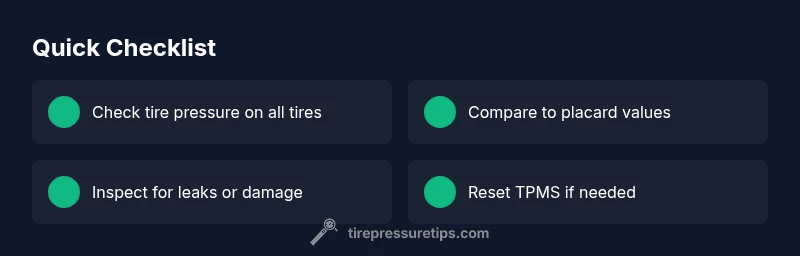
First, park on a flat surface and turn off the engine. Gather a reliable tire pressure gauge and the vehicle manual placard. Check the cold psi on all three or four tires. If any tire reads significantly below the spec, plan to top it up first. Inspect each tire for visible signs of deflation, such as soft sidewalls, a loose bead, or obvious bulges. If tires are evenly deflated across the axle you may have a common underinflation issue rather than a tire defect. After inflating, recheck the pressure to confirm it holds. If you have a TPMS, reset or reinitialize as required by the vehicle guidelines to ensure future alerts remain accurate.
How noise can indicate other issues
Noise from tires can mirror other faults such as wheel balance, misalignment, or worn suspension components. A tire that is underinflated may also wear more on the edges, mimicking the sounds of a wheel out of balance. If noises persist after inflation, check for a bent rim, damaged bead, or a puncture that reduces air pressure gradually. In some cases the noise is caused by a tire with internal damage that is not visible from the outside. A professional inspection may be needed if the noise continues after a full inflation check and a visual tire inspection.
The role of TPMS and gauges in diagnosing noise
TPMS provides a warning when a tire is significantly underinflated, but it does not always detect small yet important pressure drops. A reliable manual gauge can confirm exact psi and help identify trends across tires. If the gauge reads below the recommended level, inflate in 1 psi increments and recheck. Make sure to test all tires, not just the one you suspect. The Tire Pressure Tips approach combines gauge checks with a quick road test to determine whether the noise is linked to pressure or a separate issue such as wheel balance or suspension.
What to do if inflating doesn't fix the noise
If inflating the tires does not quiet the noise, there may be a larger issue. Start with a thorough inspection for leaks around the valve stem, bead, and rim. Look for nails, punctures, or sidewall damage. If tires appear safe, consider rotating the tires to see if the noise follows a particular tire or position. A wheel balance or alignment check may become necessary. In some cases the issue could be a mounting problem or a damaged TPMS sensor. When in doubt, seek professional evaluation to avoid driving on compromised tires.
Prevention: maintain proper pressure to avoid noise and wear
Make tire pressure a regular part of vehicle maintenance. Check pressures monthly and before long trips, especially after seasonal temperature changes. Use a high quality gauge and keep a log of readings. Inflate each tire to the manufacturer recommended PSI on the placard and recheck once the tires are warm. Regular maintenance reduces road noise, extends tire life, improves fuel economy, and preserves handling. The Tire Pressure Tips team emphasizes that consistent inflation is the easiest, most cost effective step toward quiet, safe driving.
Steps
Estimated time: 30-45 minutes
- 1
Park safely and gather tools
Find a flat, well lit area and turn on hazards. Gather a reliable gauge, the vehicle placard, and a flashlight for bead inspection. This preparation prevents rushed mistakes and ensures accurate readings.
Tip: Keep gauge and placard accessible for quick checks. - 2
Check the recommended PSI
Locate the manufacturer’s recommended psi on the door jamb placard or in the owner’s manual. This is the correct target for your tires and should be used for all four tires where applicable.
Tip: Remember cold tires provide the most accurate reading. - 3
Measure all tires
Use the gauge to read each tire’s current psi. Compare readings across tires and note any that are well below spec. Do not assume all tires are equally inflated.
Tip: If a tire differs greatly from others, inspect for a puncture or slow leak. - 4
Inflate to the recommended psi
Top off each tire carefully, using smooth, incremental additions. Avoid overinflating beyond the maximum psi printed on the tire sidewall.
Tip: Pause after inflation to recheck pressure for accuracy. - 5
Recheck and observe after warming
Drive slowly for a short distance, then recheck all tires. Inflation rises with heat, so readings will change after a short drive.
Tip: If pressure drops persist, inspect for leaks or improper seating. - 6
TPMS reset and test drive
If your TPMS was triggered, reset per the vehicle manual and drive to confirm sensors recalibrate. Confirm all four tires read within range.
Tip: Some vehicles require a specific reset sequence; consult the manual. - 7
Assess noise after fixes
Take a test drive on varied surfaces at different speeds. If noise persists, you may have another issue such as balance, alignment, or suspension.
Tip: When in doubt, seek professional evaluation.
Diagnosis: Tire makes unusual noise when driving, especially at highway speeds, sometimes with a TPMS warning.
Possible Causes
- highUnderinflation causing increased flex and irregular road contact
- lowTire damage or puncture causing air loss and road noise
- lowWheel bead leakage or rim damage causing noise
Fixes
- easyCheck tire pressure with a gauge and inflate to vehicle spec; recheck after driving 5-10 minutes
- mediumInspect tires for visible damage, bulges, or nails; replace if necessary
- hardIf TPMS warning persists, seek professional inspection for wheel, TPMS sensor, or valve stem
Frequently Asked Questions
Can low tire pressure cause tire noise even if tires look fine?
Yes. Underinflation can cause noise well before obvious tire damage appears. Checking psi and comparing to the placard often resolves the issue.
Yes, underinflation can cause noise even if the tires look fine. Check the psi and compare to the placard.
What noises are common with underinflated tires?
A steady hum or drone is common, sometimes accompanied by a harsher ride. Noise can vary with speed and road surface.
A steady hum or drone is common with underinflated tires.
How do I check tire pressure accurately?
Use a reliable gauge, measure cold tires, and compare to the vehicle placard. Repeat after a short drive to account for warming.
Use a reliable gauge, check cold tires, and compare to the placard.
Will TPMS warn me if tires are underinflated?
TPMS warns for significant underinflation. Always verify with a tire gauge, since small drops may not trigger it.
TPMS warns for big underinflation; always check with a gauge for small drops.
How often should I check tire pressure?
Check monthly and before long trips, especially during seasonal temperature changes.
Check monthly and before trips, especially in temperature changes.
What else could cause noise besides low pressure?
Wheels out of balance, misalignment, worn suspension, or damaged tires can all produce noise independent of inflation.
Other issues like balance or alignment can also cause noise.
Watch Video
What to Remember
- Check tire pressure with a reliable gauge.
- Inflate to the manufacturer spec on the placard.
- TPMS helps but verify with a gauge.
- Regular checks prevent noise and uneven wear.