Uneven Tire Pressure: Diagnosis, Causes, and Fixes
Learn practical steps to diagnose and fix uneven tire pressure, protect tire wear, and keep your vehicle safe with Tire Pressure Tips.


Uneven tire pressure is most likely caused by temperature changes, slow leaks, or improper inflation. Quick fix: check all tires when cold with a reliable gauge, compare to the door placard, and adjust to the recommended pressures. Inspect tires for punctures or valve leaks, then recheck after a short drive to confirm uniform pressure.
What uneven tire pressure means for safety and handling
Uneven tire pressure affects how a vehicle responds to steering, braking, and acceleration. When one side or a single tire carries more air than its siblings, the contact patch with the road becomes uneven. This incongruent contact can cause pulls to one side, increased tire wear, and longer stopping distances in emergencies. From a safety perspective, drivers may notice a lighter feel in the steering, a vibration at certain speeds, or a tendency to drift on straight highways. The Tire Pressure Tips team emphasizes that driving with uneven tire pressure is avoidable with regular checks. Keeping all tires near the recommended pressure improves traction, cornering stability, and overall handling, especially in wet or slippery conditions. Remember: preventive maintenance today reduces risk tomorrow, and that principle holds whether you own a sedan, SUV, or light truck. According to Tire Pressure Tips, attention to tire balance and inflation is a simple yet powerful part of everyday vehicle upkeep. Uneven tire pressure can also affect fuel economy because underinflated tires create more rolling resistance, while overinflated tires reduce contact with the road and increase wear in the center tread. For most drivers, this means more frequent tire rotation, less efficient mileage, and a higher chance of a puncture or blowout if the tire bead isn’t sealed properly. In short, addressing uneven tire pressure protects you, your passengers, and your wallet.
How to interpret the signs of uneven tire pressure
When your tires don’t share a common air burden, you may notice uneven wear patterns, such as one tire wearing faster on one edge or a rounded center on another. Handling changes—vague steering, increased steering effort, or a slight drift—can also point to pressure imbalances. The good news is that most imbalances are detectable with a simple cold-pressure check and a careful visual inspection. By understanding how pressure interacts with tire geometry, you can distinguish true leaks from temporary readings caused by recent driving. Tire Pressure Tips recommends treating any persistent discrepancy as a warning sign rather than a nuisance, because the cost of neglect can be higher than the effort required to correct it. Keeping your tires within the recommended range is a straightforward, safety-first habit that translates into better grip, longer tread life, and consistent fuel economy.
The role of TPMS and readings in uneven tire pressure
TPMS readings provide a quick alert when a tire drops below the target range, but they don’t always pinpoint the exact cause. A stale or miscalibrated sensor can produce false positives or mask a genuine issue. That’s why it’s important to cross-check TPMS data with direct gauge measurements when diagnosing uneven tire pressure. The Tire Pressure Tips team stresses that TPMS should be used as a guide, not a substitute for manual checks. Regular calibration after tire changes, rotations, or sensor maintenance helps prevent misleading alerts and ensures you’re acting on real pressure differences rather than sensor errors. In many cases, a simple gauge check confirms whether the problem is a temporary fluctuation or a lasting imbalance that requires action.
Practical next steps for drivers
If you’re unsure about the source of uneven tire pressure, start with the basics: verify all four tires are within the manufacturer’s cold-pressure specification, ensure the tires are properly seated on the rims, and inspect for obvious signs of damage. A slow leak near the bead or a puncture, even a tiny one, can create a significant pressure difference over time. Don’t overlook the spare tire, as it also needs regular checks. Following this routine not only improves safety but also reduces the likelihood of premature wear and unexpected roadside issues. The Tire Pressure Tips approach combines simple checks with a disciplined maintenance schedule, making uneven tire pressure a solvable problem rather than a mystery.
Steps
Estimated time: 20-35 minutes
- 1
Park on a level surface and gather tools
Turn off the engine and engage the parking brake. Gather a digital tire gauge, a portable inflator, and a notepad to log readings. Ensure you’re working in a safe area away from traffic and heat sources to avoid accidental injuries.
Tip: Safety first: use gloves to keep hands clean and a flashlight to inspect the bead area for visible leaks. - 2
Check all tires when cold
Take baseline readings on all four corners when the tires are cold. Record each value to compare against the vehicle’s recommended cold pressures printed on the door jamb placard or owner’s manual. This prevents heat from skewing the numbers.
Tip: Do not rely on readings after a highway drive; cold measurements are the most accurate baseline. - 3
Adjust to recommended pressures
If any tire deviates from the recommended range, add or release air gradually, measuring as you go. Recheck each tire after a short drive of 5–10 miles to confirm stability. Repeat the process if needed until all four tires stay within spec.
Tip: Inflate in small increments and avoid overfilling beyond the maximum tire pressure stamped on the tire sidewall. - 4
Inspect for damage or leaks
Look for nails, screws, cracks, or sidewall bulges that could indicate a slow leak. Check the valve stems for looseness or cracking. If you spot damage, address it before driving much further.
Tip: Even a small nail can cause a gradual loss; seal or replace the affected tire as soon as possible. - 5
Check the spare and TPMS
Don’t forget the spare tire; ensure it’s inflated to the recommended level. If your TPMS shows a fault or alerts without a clear leak, recalibrate or consult a technician to verify sensor integrity.
Tip: After any tire work, clear TPMS fault codes per the owner’s manual or have a pro do it to prevent false warnings. - 6
Document and schedule maintenance
Keep a log of the readings and adjustments. If uneven pressure returns or you notice rapid changes, schedule a professional inspection to check TPMS sensors, rims, and wheel alignment.
Tip: Regular monthly checks help catch leaks early and prevent dangerous driving conditions.
Diagnosis: Vehicle pulls to one side or shows irregular handling; tire pressure readings are inconsistent
Possible Causes
- highTemperature-related pressure changes
- mediumSlow puncture or bead leak
- highImproper inflation (under or over)
- lowTPMS sensor fault or recalibration needed
Fixes
- easyCheck all tires when cold with a reliable gauge; adjust to door placard; recheck after a short drive
- easyInspect tires for nails, punctures, or bead leaks; repair/replace as needed
- easyCorrect overinflation by releasing air gradually to target pressure
- mediumIf TPMS persists or you cannot locate a leak, seek professional inspection
Frequently Asked Questions
What causes uneven tire pressure?
Common causes include temperature changes, slow leaks, improper inflation, and TPMS sensor issues. Each can create reading discrepancies and affect handling.
Uneven tire pressure is usually caused by temperature changes, slow leaks, improper inflation, or TPMS problems.
Is uneven tire pressure dangerous?
Yes. It can compromise steering, braking, and traction, especially in wet or slippery conditions. Addressing it promptly improves safety.
Yes, it can be dangerous because it affects handling and braking.
How do I fix uneven tire pressure at home?
Check cold pressures, adjust to the placard, inspect for leaks, and recalibrate TPMS if needed. If the issue persists, seek professional help.
Check cold pressures, adjust to spec, inspect for leaks, and consider TPMS if the issue continues.
Should I replace TPMS sensors if they fail to read correctly?
Not automatically. Have a technician diagnose whether sensors require maintenance, replacement, or recalibration based on readings and vehicle data.
Only if a professional confirms sensor malfunction; otherwise recalibration or repair may be sufficient.
How often should I check my tire pressure?
Check at least once a month and after temperature shifts or long trips. Regular checks prevent imbalances and extend tire life.
Check at least monthly and after temperature changes or long trips.
Watch Video
What to Remember
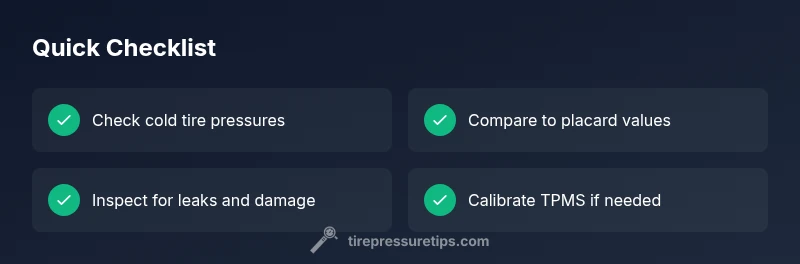
- Check tires when cold and compare readings to placard.
- Inspect for leaks and TPMS issues that cause imbalances.
- Inflate or deflate gradually and recheck after a short drive.
- Seek professional help if the problem persists or TPMS alerts.