Troubleshooting Unbalanced Tires and Low Tire Pressure for Safer Driving
Urgent, practical guide to diagnosing tire pressure issues, balancing wheels, and preventing unsafe driving from low pressure, uneven wear, or TPMS faults.


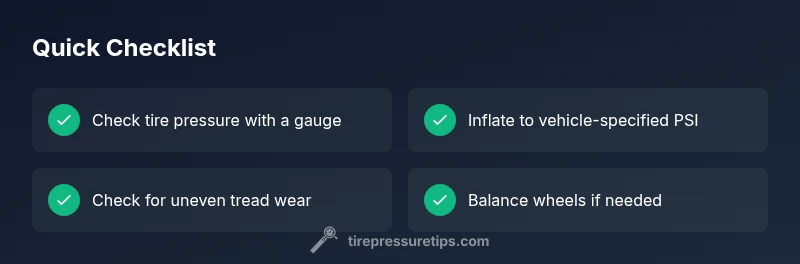
The quickest, most likely cause is low tire pressure or a wheel balance issue. Start by checking each tire’s PSI with a gauge and inflate to the vehicle’s recommended pressure. Look for uneven wear or a persistent pull. If pressures are correct and the pull persists, check for wheel imbalance or TPMS faults, then balance the wheels or replace sensors as needed.
Why Tire Pressure Matters
Maintaining correct tire pressure is essential for safety, fuel efficiency, and tire longevity. According to Tire Pressure Tips, unbalanced tires and low tire pressure can cause uneven tread wear, reduced fuel efficiency, erratic handling, and longer stopping distances. When you drive with tires that are soft or out of balance, the contact patch with the road changes, which can lead to unpredictable steering response and a higher risk of hydroplaning in wet conditions. In practice, checking pressure monthly and before long trips helps catch leaks and slow leaks before they become flats. In this section we’ll explore how pressure and balance interact, and why neglecting them creates a cascade of safety and maintenance problems. You’ll learn practical, actionable steps you can take today to verify pressure, inspect wear, and decide when balancing or TPMS service is needed.
The Hidden Link: Unbalanced Tires and Handling
Unbalanced tires can produce vibration, pull to one side, and uneven wear; low pressure exacerbates these issues. The balance of wheel and tire influences contact patch; an out-of-balance tire can cause the tire to ride unevenly, generating heat and additional wear. You’ll learn how to identify whether the issue is pressure or balance, and how the two interact to affect braking, cornering, and ride quality. We’ll also discuss how weight distribution, wheel size, and tire type influence sensitivity to imbalance.
How TPMS and Balance Affect Tire Pressure
Tire Pressure Monitoring Systems (TPMS) are designed to alert you when a tire drops below the safe threshold, but a sensor can malfunction or become biased by wheel imbalance. When pressure readings are off, TPMS may send incorrect warnings that confuse maintenance decisions. This section explains how TPMS interacts with pressure and wheel balance, including scenarios where a tire is inflated to spec but still feels off, or where a faulty sensor hides a real pressure drop.
Common Causes of Low Pressure and Imbalance
Low pressure and imbalance can stem from several everyday sources: slow leaks from nails or valve stems, a damaged rim bead, a worn or loose valve core, or temperature-related changes that influence tire stiffness. Punctures may not always be obvious, while road debris or curb impacts can disturb the wheel balance. Understanding these culprits helps you design a quick, methodical check routine and avoid jumping to conclusions.
How to Check Tire Pressure Correctly at Home
Begin by ensuring tires are cold and parked on a level surface. Use a reliable gauge—dial or digital—and compare readings to the door jamb sticker on the driver’s side. Inflate each tire to the specified PSI, recheck after inflation, and verify across all four tires. While you’re at it, inspect tread wear patterns and sidewalls for cracks or punctures, which can indicate leaks or hidden damage requiring replacement.
Visual Cues: Wear Patterns and Vibration
Uneven tread wear, cupping, or feathering can signal misalignment or imbalance, while persistent vibration often points to a wheel that is out of balance or a tire with a soft spot. Vibration may intensify at highway speeds or during braking. If you notice any of these cues, don’t ignore them—address the root cause promptly to prevent further tire damage and potential safety risks.
Tools and Techniques for Consistent Measurements
Using a high-quality tire pressure gauge and a consistent inflation method improves accuracy. Digital gauges tend to be easier to read, while dial gauges offer reliability in rugged conditions. Also, verify that the gauge calibrates correctly and store it in a protected case to prevent damage. Regularly rotate tires and check wheel balance at prescribed intervals to maintain even wear and optimal handling.
Safe Driving Practices and Maintenance Plans
Regularly schedule tire inspections as part of your maintenance plan, including pressure checks, tread depth reviews, and TPMS checks. Respect safety margins by correcting any out-of-spec conditions before long trips or extreme weather. A simple, proactive approach reduces the risk of blowouts, improves fuel economy, and preserves tire life.
Troubleshooting Checklist and Next Steps
If you’re unsure after these checks, proceed with a professional balance and TPMS inspection. Document readings and changes to track improvements. If the issue recurs after balancing, request a bead seating check or rim inspection to rule out structural problems. Following through with maintenance is essential for ongoing safety.
Steps
Estimated time: 25-45 minutes
- 1
Prepare for safe checks
Park on a flat surface, apply the parking brake, and turn off the engine. Put on safety gloves and ensure the work area is well-lit and free of traffic. This groundwork reduces risk and ensures accurate readings.
Tip: Have wheel chocks ready in case you need to work on a slope. - 2
Check tires when cold
Take readings on cold tires, since driving heats air and inflates tire pressure. Compare each tire’s reading to the vehicle’s PSI spec from the owner’s manual or door jamb sticker, then note any outliers.
Tip: Read all four tires to establish a baseline for balance and wear patterns. - 3
Inflate to spec
Inflate each tire to the recommended PSI, ensuring equal pressure across all tires. Avoid over-inflating; use a stepping approach to reach the target pressure gradually.
Tip: If an exact ISO psi value isn’t listed, use the vehicle’s recommended range and aim for the middle. - 4
Inspect tires and rims
Look for punctures, nails, cracks, or sidewall bulges. Check rims for dents or curb damage that could affect bead seating and balance. Document concerns for a future appointment if needed.
Tip: Take photos of any irregular wear or damage for your records. - 5
Check wheel balance
If the vehicle still pulls or vibrates after inflation, have the wheels balanced. Imbalance is a common driver-visible issue that can worsen with speed.
Tip: Request a bead seating check if balance persists after initial balancing. - 6
Test drive and reassess
Take a short test drive on a quiet road to verify handling, steering stability, and absence of pulling. If issues remain, move to TPMS inspection and possible sensor replacement.
Tip: Note any changes in steering feel or braking response for the technician. - 7
Check TPMS
Confirm TPMS warning lights are off after adjustments. If lights stay on, diagnose sensors and battery condition or consider replacing the sensor.
Tip: Consider a TPMS reset after service to ensure accurate warnings. - 8
Create a maintenance plan
Document pressures, rotation schedules, and service dates. Schedule regular checks to prevent future imbalances and pressure drops.
Tip: Keep a simple tire log in your car or mobile notes app.
Diagnosis: Vibration, pulling, or inconsistent handling after inflation
Possible Causes
- highLow tire pressure
- highWheel imbalance
- mediumTire or rim damage
- lowTPMS fault
Fixes
- easyCheck each tire’s pressure with a gauge and inflate to the recommended PSI
- easyBalance the wheels if vibration or pull persists after inflation
- mediumInspect tires for punctures, sidewall damage, or bead leaks and replace as needed
- hardTest and service TPMS sensors if readings are inconsistent
Frequently Asked Questions
What are the signs that my tires need air or balancing?
Common signs include a noticeable pull to one side, vibration at speed, and unusual tire wear. If you notice any of these, check pressure first, then balance if needed. Persistent symptoms warrant a professional assessment.
If you notice a pull or vibration, start by checking pressure, then balance or inspect for damage. Seek professional help if symptoms continue.
How often should I check tire pressure?
Check tire pressure monthly and before long trips. Always verify when tires are cold to get an accurate reading and compare against the vehicle's recommended PSI.
Check once a month and before long trips, making sure tires are cold for accurate readings.
Can TPMS be faulty if tire pressure is correct?
Yes, TPMS sensors can malfunction or become miscalibrated, causing false warnings. If readings seem inconsistent, have the TPMS system inspected by a qualified technician.
TPMS can fail or misreport, so have it checked if readings don’t match the actual pressure.
Does low tire pressure affect fuel economy?
Yes, consistently low pressure increases rolling resistance and reduces efficiency. Correcting pressure helps restore fuel economy and reduces wear.
Low pressure wastes fuel and wears tires faster; fix pressure to improve efficiency.
What should I do if I notice vibration after inflation?
Vibration after inflation often points to wheel imbalance or tire damage. Rebalance the wheels and inspect tires; if the issue persists, seek professional help.
If vibration remains, balance the wheels and inspect the tires; seek a pro if it continues.
When is professional help definitely needed?
If you detect rapid pressure loss, persistent pulling, unusual wear, or a TPMS warning that won’t reset, schedule a professional inspection promptly.
Go to a shop if pressure drops quickly or you still feel pull after checks.
Watch Video
What to Remember
- Check tire pressure monthly and before trips
- Balance wheels if vibration persists
- Inspect tires for leaks and curb damage
- Use TPMS readings as a guide and verify with a gauge
- Maintain a simple tire maintenance plan