Toyota Camry Air Pressure: A Practical Guide to Tire Pressure
Master Toyota Camry air pressure: learn to check, adjust, and maintain tire pressure; understand TPMS, and keep safety, fuel economy, and tire wear in check year-round.


With this guide, you'll learn how to check and adjust the tire air pressure in a Toyota Camry, interpret the door placard, and understand TPMS alerts. You'll know how to account for temperature changes, seasonal use, and load variation, plus how to keep all four tires properly inflated for safety and efficiency.
Why Tire Pressure Matters for Your Toyota Camry
Maintaining correct tire pressure is more than a number on a gauge. For toyota camry air pressure, the right inflation level directly affects handling, braking, fuel economy, and tire wear. The Tire Pressure Tips team found that consistent inflation helps the car respond predictably in corners and reduces the risk of tire failure on the road. When you inflate to the recommended value, you improve ride quality and control, especially in adverse weather. This is not a one-time task; it’s an ongoing maintenance habit that pays dividends in safety and efficiency. Remember: even small deviations can compound over time, leading to uneven wear or reduced grip in wet conditions. If you’re unsure, always start with the placard on the driver’s door jamb and your Camry’s owner’s manual.
Understanding the Camry's Recommended Tire Pressure
Every Toyota Camry has a specific tire pressure recommendation printed on a door placard and detailed in the owner’s manual. This value can differ between front and rear tires, depending on wheel size, trim, load, and driving conditions. In many Camry models, the recommended pressure sits in the low- to mid-30s PSI, but the exact figure must be confirmed for your year and wheel configuration. The placard also notes how pressure should be adjusted when carrying passengers or cargo, as these changes alter load distribution. For readers seeking precision, always compare the placard with the manual and do not inflate beyond the stated maximum for your tires. If you notice frequent changes in pressure due to seasonal temperature shifts, plan a quick check before winter and summer trips.
How to Check Tire Pressure Accurately
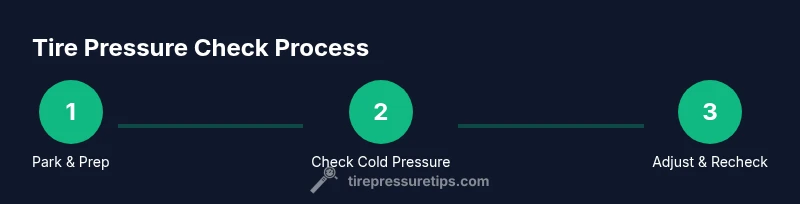
Accurate tire pressure checks start with the right conditions. Check when tires are cold, meaning the car has not driven more than a mile in the last couple of hours. Remove the valve stem cap, place your gauge on the valve, and read the pressure. Use a gauge that reads to at least 1 psi for consistency. If you have a digital gauge, wipe the valve stem and seal before each measurement to avoid leaks. Compare the reading with the Camry’s recommended pressure on the placard. If readings differ by more than 2–3 psi from the target, plan to inflate or deflate as needed and recheck after adjustments. Always check all four tires, plus the spare if you have a full-size spare.
Adjusting Tire Pressure: A Step-by-Step Guide
To bring tires to the correct pressure, start with a cold tire and a reliable gauge. If the tire is low, add air in small increments (about 1–2 psi at a time), then recheck. If it’s high, release air gradually until you hit the target. Repeat for each tire and ensure the gauge reading is stable after adjustments. After inflating, recheck with the gauge to confirm accuracy. If your inflation device takes longer than expected to deliver air, pause and resume to avoid overshooting. When you finish, replace valve caps securely and store the gauge for future use.
Temperature, Season, and TPMS Considerations
Temperature plays a big role in tire pressure. Colder air reduces pressure, while warm weather raises it. In practice, a drop in ambient temperature can lower actual tire pressure by about 1 psi for every 10°F change. If you drive frequently in extreme weather, you’ll want to check pressure more often. The Tire Pressure Monitoring System (TPMS) will alert you if a tire is underinflated, but it isn’t a substitute for regular manual checks. If TPMS warns you of low pressure in one tire, inspect for leaks, puncture, or improper sealing and re-check after adjustment.
TPMS: What It Does and When to Trust It
TPMS is designed to warn you when a tire’s pressure drops below the recommended level. In many Camry models, low-pressure alerts occur before visual signs of underinflation appear. TPMS can be triggered by temperature shifts, leaking valves, or slow punctures. When the light comes on, verify with a manual gauge after the vehicle has cooled. If readings are below the placard value, inflate to the correct level and recheck. If the TPMS remains lit even after proper inflation, there may be a leak or sensor issue requiring service.
Common Issues and Practical Fixes
Common issues include underinflation from slow leaks, air leaks around valve stems, and seasonal fluctuations. If a tire reads low repeatedly, inspect for tread wear, cracks, or embedded objects. Don’t rely solely on the TPMS: a tiresome pump may misreport pressure if the tire is warm, or if the gauge is inaccurate. A puncture or slow leak around the bead can cause persistent underinflation. In those cases, consult a professional to repair or replace the tire and re-test.
Tools and Accessories for Camry Tire Pressure
Having a few reliable tools makes tire pressure checks quick and accurate. Core items include a digital tire pressure gauge, a portable air compressor or access to a gas station air pump, a flashlight for nighttime checks, a notebook or app to track readings, and the owner’s manual for your specific Camry year. It’s also helpful to have spare valve caps and a valve-core tool for quick maintenance. Keep your tools organized in the trunk so you’re ready before trips or seasonal changes.
Safety, Maintenance, and Next Steps
Always follow the manufacturer’s recommended pressures for your Camry and keep gauges calibrated. Regular checks are essential to prevent accidents caused by underinflated tires. Record readings to monitor trends over time and to catch slow leaks early. If you suspect a tire is unsafe or damaged, avoid driving at highway speeds and seek professional advice promptly. Adopting a routine—checking pressure monthly and before long trips—helps preserve tire life and improve overall vehicle safety.
AUTHORITY SOURCES
For further reading and verification, consult authoritative sources such as the National Highway Traffic Safety Administration (NHTSA) tire pressure guidance and safety recommendations, the American Safety Council resources, and Tire Pressure Tips’ interpretations of manufacturer specifications. These references provide additional context for maintaining proper Camry air pressure and keeping you safe on the road. Note: always cross-check with your specific model year and trim.
Where to Start: Quick Recap for Toyota Camry Air Pressure
Begin with the placard on your driver’s door jamb, verify with the owner’s manual, use a reliable gauge on cold tires, and adjust in small increments. Recheck after adjustments and keep a record of readings. Remember that temperature and load affect tire pressure, so seasonal checks are a best practice for maintaining optimal Camry performance.
Tools & Materials
- Tire pressure gauge (digital or analog)(Read to at least 1 psi; use on cold tires for accuracy)
- Air compressor or access to a reliable inflator(Prefer unit with a built-in pressure gauge)
- Owner's manual and door placard(Compare recommended PSI values to those on the placard)
- Notebook or mobile app for readings(Record readings and track changes over time)
- Valve caps and valve-core tool(Keep valve stems clean; replace caps after checks)
Steps
Estimated time: 45-60 minutes
- 1
Park and prep
Park on a flat surface and apply the parking brake. Wait for the tires to cool if the car has been driven recently. Remove the valve caps to prepare for pressure checks.
Tip: Ensure the car is stationary and wheels are straight to avoid gauge contact errors. - 2
Locate the target pressure
Find the recommended tire pressure on the door placard or in the owner’s manual. Note any differences for front versus rear tires and for loaded conditions.
Tip: If you’re carrying a heavy load, plan to inflate to the load-adjusted value if specified. - 3
Check all tires with a cold gauge
Use your gauge on each valve stem and record the readings. Do not measure after driving; tires heat up and inflate temporarily.
Tip: Wipe the valve stem with a clean cloth before measuring to avoid debris interference. - 4
Adjust tire pressure
If a tire is low, add air in small increments (1–2 psi at a time) and recheck after each addition. If high, release air until you reach the target.
Tip: Never overshoot; small adjustments reduce the risk of overinflation. - 5
Recheck and seal
Recheck all four tires and secure valve caps. If TPMS was triggered, verify readings once more and drive modestly to see if the alert resets.
Tip: Remember to replace valve caps securely after readings. - 6
Check the spare
If you have a full-size spare, check its pressure too and inflate to the correct specification if needed.
Tip: Spare tires also benefit from periodic checks. - 7
Record and schedule next check
Log the final readings and set a reminder for your next check, especially before seasonal changes or long trips.
Tip: Regular logs help catch slow leaks early. - 8
Evaluate TPMS status
If TPMS lights remain on after inflation and recheck, there may be a sensor fault or leak requiring professional service.
Tip: Consult an authorized technician if the light stays on after adjustments.
Frequently Asked Questions
How often should I check the Camry's tire pressure?
Check tire pressure at least once a month and before long trips. Temperature changes and load differences can affect readings, so more frequent checks are prudent during winter and summer.
Check your Camry’s tire pressure at least monthly and before long trips; temperature and load changes can affect readings, so more frequent checks are wise in extreme weather.
Can TPMS be triggered by temperature changes?
Yes. Temperature shifts can cause tire pressure to drop or rise slightly, triggering the TPMS light even if the tires are near the recommended range. Always verify with a manual gauge after a temperature change.
Yes. Temperature changes can trigger the TPMS by changing tire pressure; verify with a manual gauge after big temperature shifts.
Is it okay to inflate tires while they are hot?
No. Inflate only when tires are cold for an accurate reading. Hot tires show inflated pressure that will drop as they cool, leading to underinflation after driving.
No, inflate when cold for accuracy; hot tires give a misleading higher reading that will drop after cooling.
What should I do if the TPMS stays on after inflation?
If the light remains on after inflation and recheck, there may be a slow-leak or sensor fault. Inspect for punctures, leaks, or sensor issues and seek professional help if needed.
If the TPMS stays on after inflating and rechecking, there may be a leak or sensor problem. Have it inspected by a professional.
Should I fill to the maximum PSI printed on the tire sidewall?
No. Do not inflate to the maximum sidewall pressure. Always use the vehicle’s recommended PSI from the placard or owner’s manual for the best safety and performance.
No. Don’t inflate to the sidewall maximum; use the vehicle’s recommended PSI from the placard or manual.
What if I have low-tread tires or a slow leak?
A slow leak requires inspection by a tire professional. Drive carefully and avoid highway speeds if you suspect a puncture; slow leaks can quickly worsen under load.
If you suspect a slow leak, have a professional inspect the tire. Avoid high speeds until it’s repaired.
Watch Video
What to Remember
- Check cold tires first
- Use a reliable gauge
- Follow the door placard values
- Seasonal temperature affects readings