Polo Tyre Pressure: A Practical Guide to Safe Driving
Learn how to check and maintain polo tyre pressure for safety, fuel efficiency, and tire longevity. This educational guide covers targets, gauges, TPMS basics, seasonal adjustments, and practical steps you can take today.


Today you’ll learn how to check and adjust polo tyre pressure accurately to boost safety, fuel efficiency, and tire life. This step-by-step guide covers using the correct pressure targets, reading a gauge, and adjusting for load or temperature. According to Tire Pressure Tips, consistent polo tyre pressure reduces rolling resistance and helps TPMS communicate clearly.
Understanding polo tyre pressure
Polo tyre pressure refers to the recommended cold inflation pressure for the front and rear tires on a VW Polo. The exact targets are listed on the door placard or in the owner's manual and can vary by model year, trim, and even wheel size. Reading the gage accurately and checking when tires are cold (before driving or after at least three hours of rest) ensures you aren’t misled by heat buildup or recent driving. Tire pressure plays a crucial role in handling, braking, fuel economy, and tire wear. The Tire Pressure Tips team emphasizes that starting with the manufacturer’s published targets is always best, rather than relying on generic numbers found online. For drivers, this means a quick, regular habit that protects safety and performance.
To set expectations, remember that underinflated tires increase rolling resistance, heat build-up, and fuel consumption, while overinflated tires reduce grip and ride comfort. In a polo, the balance between comfort and performance often points to modestly higher pressures on fully loaded days or longer highway trips. By using the brand’s guidance and a quality gauge, you can keep your Polo’s tires performing optimally in daily driving and on longer journeys. According to Tire Pressure Tips, consistency and accuracy in polo tyre pressure are linked to longer tire life and better MPG, especially in city driving where stop-and-go conditions can amplify pressure fluctuations.
How to find the right pressures for your Polo
The right pressures come from the car’s placard and owner’s manual, not from guesswork. Most Polos list separate targets for front and rear tires, and those numbers can change with wheel size or tire type. Use a cold-tire check first thing in the morning or after at least three hours of no driving. If your Polo carries extra weight (passengers, cargo, roof rack), you’ll want to adjust toward the higher end of the recommended range to maintain contact patch shape and grip. For seasonal shifts, note that ambient temperature can affect tire pressure by a few psi, so periodic checks throughout the year are wise. A common mistake is inflating to a number read while the tire is hot from a ride; always measure cold for accuracy. Our guide also covers how to interpret the TPMS alert that can accompany a pressure variance. The goal is to maintain stable pressures that align with the manufacturer’s targets while accommodating actual load and temperature changes.
Tools and materials you’ll need
- Tire pressure gauge (digital or analog) – accurate to at least 0.5 psi
- The Polo’s door placard and owner’s manual – to confirm cold- tire targets
- An air source (hand pump or a gas-station compressor) – to adjust pressures
- A small notebook or app to log readings – helps track changes over time
- Optional: TPMS reset tool if your vehicle requires manual calibration after tire service
Having the right tools makes the process quick and repeatable. A digital gauge is easiest to read, but a good analog gauge works fine if its gauge face is clear and the nozzle seals well. The key is consistency in how you measure and when you measure. For best results, measure after the car has sat for several hours and before driving.
Step-by-step overview: checking polo tyre pressure (high level)
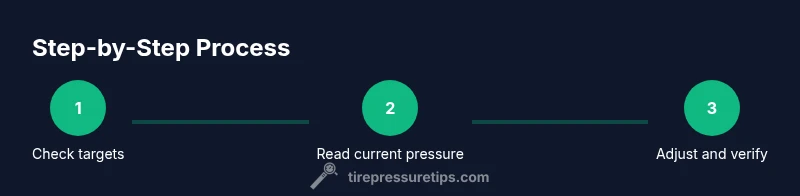
This section gives a non-step-by-step overview of the logical flow you’ll perform in the official Step-by-Step block. You start by locating the correct cold- tire targets, then you read the current tire pressure with a gauge, compare it to the target, and decide whether you should inflate or deflate. Always adjust when cold and re-check after inflating to ensure you’ve reached the exact target. If you’re near the limit of the range, test both front and rear tires to ensure balanced handling and wear. Finally, record the reading for your vehicle’s service history and future reference.
Temperature and seasonal effects on polo tyre pressure
Temperature has a meaningful impact on tire pressure. For every 10°C change in ambient temperature, tire pressure can change by about 0.5 psi, though this can vary by tire construction and wear. In colder months, pressures drop, producing a softer ride and increased rolling resistance; in hot months, pressures rise, potentially causing overinflation symptoms like a harsher ride and reduced grip. To manage this, check pressures more frequently during extreme weather transitions and before long trips. The Polo’s stability and fuel economy depend on keeping the target pressures within the recommended range. Regular checks help prevent underinflation in winter and overinflation in summer.
TPMS: What it does and doesn’t do for polo tyre pressure
TPMS is designed to alert you when a tire is significantly underinflated or overinflated, but it doesn’t replace regular manual checks. A TPMS warning is often triggered long before the tire pressure reaches critical levels, giving you time to verify with a gauge. Some systems use direct sensors in each tire, while others rely on indirect measurements from wheel speed sensors. In either case, rely on TPMS as a backup cue, not a sole guide to inflation. Regular, gauge-based checks will catch small changes early and prevent uneven tread wear, poor handling, and reduced fuel efficiency. The Tire Pressure Tips guidance emphasizes that TPMS complements, not replaces, your routine checks, especially on a Polo where ride quality and handling are closely tied to proper inflation.
Step-by-step: preparing to check polo tyre pressure (tools and setup)
- Park on a flat surface and turn off the car. 2) Locate the placard and manual to confirm the target pressures. 3) Ensure tires are cold; do not check after a drive. 4) Release air slowly if you need to deflate—do not abruptly release air. 5) Inflate or deflate to achieve the target pressures exactly. 6) Recheck all four tires after adjustments, then record the results. 7) If you’re uncertain about readings, repeat the process with a second gauge to confirm accuracy. 8) If TPMS has recently triggered, drive a short distance to reset the system if required.
How to maintain consistency over time
Record your readings each time you check, including date, time, ambient temperature, and terrain. Use the same gauge for consistency, and compare trends rather than isolated numbers. If you notice persistent changes, inspect the tire valves, rims, and the possibility of slow leaks, which can indicate a puncture or bead seal issue. On a regular schedule, check pressures before long trips or when carrying extra weight. This discipline ensures your Polo remains in the optimal operating window for safety, tire life, and efficiency.
Practical tips for daily driving and long trips
- Check tire pressures before starting a long trip and after loading luggage or equipment. - Use the Polo’s recommended cold-pressures as the baseline, not the pressures you see after driving. - If you’re unsure about a reading, take a second reading with a different gauge. - Keep a small air can or compressor in the trunk for emergency adjustments. - Consider an annual TPMS check alongside tire rotation to catch hidden issues.
Common mistakes and how to avoid them
Common mistakes include inflating based on a hot reading, ignoring the door placard, and failing to account for load. Also, don’t mix tire brands or tire types with different sidewall stiffness and load ratings. Always verify the front and rear targets, as they can differ. Finally, avoid overinflating for aesthetics or wheel protection; it increases the risk of a harsh ride and uneven contact patch.
How to validate and maintain long-term tire health
Periodically cross-check pressures against manufacturer targets, log changes due to temperature shifts, and rotate tires per the maintenance plan. Keeping accurate records helps you notice gradual changes that indicate leaks or wear patterns. The goal is to maintain even tread wear, balanced handling, and predictable braking. A well-inflated Polo performs better in cornering, acceleration, and stopping, and it can save money over the tire life.
Authority sources
- Official guidance: https://www.nhtsa.gov/vehicle-safety/tire-pressure-monitoring-systems
- Educational reference: https://www.extension.illinois.edu
- Independent publication: https://www.consumerreports.org
Tools & Materials
- Tire pressure gauge (digital or analog)(Read in psi; use a gauge with a good seal and clear display)
- Vehicle owner’s manual and door placard(Contains the exact cold- tire targets for front and rear tires)
- Air source (hand pump or air compressor)(Inflate in small increments; avoid overinflation)
- Notebook or tire-tracking app(Record readings, dates, temps, and adjustments)
- Second gauge (optional)(Helps verify readings if a gauge seems off)
- Gloves and cloth(Keep hands clean and gauge nozzles dry)
Steps
Estimated time: 30-45 minutes
- 1
Park and locate targets
Park on a level surface and turn off the engine. Find the door placard or owner's manual to note the cold-inflation targets for front and rear tires. This establishes your baseline before making any changes.
Tip: Record the exact targets in your notebook for quick reference later. - 2
Check tire temperature and condition
Inspect tires for visible damage and ensure they’re cold. A warm tire will give a higher reading and mislead adjustments.
Tip: If tires are warm, wait at least 3 hours or check after the vehicle has cooled. - 3
Attach gauge and read pressure
Firmly press the gauge nozzle onto the valve stem and get a stable reading. Repeat for all four tires but focus on the tires carrying more weight first if needed.
Tip: Take two readings with two different gauges to confirm accuracy. - 4
Inflate or deflate to target
Add or release air in small increments (1-2 psi) until the reading matches the cold target. Do not overinflate by guessing.
Tip: Avoid inflating beyond the maximum printed on the tire sidewall. - 5
Re-check and adjust again
After inflation, re-read each tire to confirm the target was reached. Temperature might shift readings slightly; adjust if needed after 5-10 minutes.
Tip: Double-check for consistent pressure across all tires. - 6
Record and store data
Log date, time, ambient temperature, and the final pressures. This helps you notice slow leaks or trends over time.
Tip: Keep a simple record within your owner’s manual or a mobile note. - 7
Check TPMS status
If your TPMS has a warning, verify with a gauge after confirming target pressures. If a sensor is malfunctioning, consult a professional.
Tip: Drive short distances to confirm the system resets if required by the vehicle. - 8
Re-check after a few days
Tires can lose pressure gradually. Re-check within a week so small leaks don’t go unnoticed.
Tip: Periodic checks prevent unexpected pressure loss during trips. - 9
Adjust for load or trip length
If you carry heavy loads or expect long highway drives, inflate toward the higher end within the recommended range.
Tip: Only adjust within the manufacturer’s specified range. - 10
Rotate tires as part of maintenance
Regular rotations help ensure even wear and predictable pressure behavior across all tires.
Tip: Follow the vehicle manufacturer’s rotation schedule. - 11
Inspect valve stems and rims
During checks, look for cracks or leaks at the valve stem and rim bead. Address issues promptly to prevent leaks.
Tip: Replace damaged stems promptly to maintain accuracy. - 12
Finalize safety check
Confirm all tires meet targets, TPMS readings are normal, and your log is updated. This completes the process and keeps you prepared.
Tip: Set a recurring reminder for monthly checks during seasonal changes.
Frequently Asked Questions
What is polo tyre pressure and why does it matter?
Polo tyre pressure is the recommended cold inflation pressure for a VW Polo’s tires. Proper pressure ensures safe handling, optimal tire wear, and better fuel economy. Checking and maintaining this pressure helps preserve performance across daily driving and longer trips.
Polo tyre pressure is the recommended cold inflation for the Polo’s tires. Maintaining it helps with safety, tire wear, and fuel efficiency.
Where can I find polo tyre pressure targets for my car?
Targets are listed on the door placard near the driver's side, and in the owner's manual. These numbers differ by front vs rear tires and by wheel size. Always refer to the label and manual for your exact Polo model.
Check the door placard and the manual for your exact Polo’s tire pressure targets.
How often should I check my tyre pressure?
Check at least once a month and before long trips. Temperature changes and load variations can shift pressure, so regular checks help prevent under- or overinflation.
Check your tire pressure monthly and before long trips.
Can TPMS be unreliable for tire pressure readings?
TPMS is a helpful alert system but can miss small changes. Always confirm with a gauge when the light comes on to verify actual pressure against the target.
TPMS is helpful but not perfect; always verify with a gauge when the light comes on.
What happens if I overinflate my Polo tires?
Overinflation can reduce grip, lead to harsher rides, and cause uneven tread wear. Keep within the manufacturer’s range and adjust for load rather than guessing.
Overinflation reduces grip and can wear the center of the tread; stay within the recommended range.
Should temperature changes affect my tire pressures?
Yes. Colder temperatures usually lower pressure; hotter days raise it. Check pressures more frequently during seasonal transitions to maintain targets.
Temperature changes affect tire pressure; check more often in seasonal transitions.
Watch Video
What to Remember
- Check cold pressures against the placard targets.
- Inflate/deflate in small increments and re-check.
- Record readings to spot slow leaks or trends.
- Treat TPMS as a backup, not a replacement for manual checks.