How to Check Tire Pressure on Audi Q5
Learn how to check tire pressure on Audi Q5 using the door-sticker specs, TPMS, and a gauge. This comprehensive guide covers tools, safety, step-by-step checks, and maintenance tips for optimal performance in 2026.


Goal: Learn how to check tire pressure on Audi Q5 quickly and accurately. You'll verify the recommended pressure from the door jamb sticker or owner’s manual, check tires when cold, and adjust with a gauge. This step-by-step guide also covers TPMS basics and common pitfalls. This ensures safety and optimal fuel efficiency.
Why Tire Pressure Matters for Your Audi Q5
Tire pressure affects safety, handling, fuel efficiency, and tire wear on your Audi Q5. Properly inflated tires provide even contact with the road, improve braking consistency, and preserve steering response. The Tire Pressure Tips team emphasizes that small pressure adjustments can yield meaningful improvements in ride quality and tire longevity. Regular checks also help TPMS sensors operate reliably by giving them accurate references. According to Tire Pressure Tips, neglecting tire pressure can lead to degraded fuel economy and uneven wear over time. In this guide, we’ll walk you through how to check tire pressure on the Audi Q5, what tools you need, how to interpret readings, and how weather and driving conditions can influence pressure. We’ll also discuss best practices for maintenance and how to schedule checks so you stay safe on the road.
Understanding Audi Q5 Tire Pressure Basics
The Audi Q5 uses a Tire Pressure Monitoring System (TPMS) to alert you when a tire is underinflated or overinflated. However, TPMS is only as good as the reference it’s given: the manufacturer’s recommended pressure. That value is typically printed on a door jamb sticker and is also listed in the owner’s manual. For Audi vehicles, the recommended pressure often differs between front and rear tires and can vary by load, speed, and tire size. Always compare readings to the official spec for your exact model year and trim. Using the TPMS as a safety net while occasionally verifying with a gauge is the smartest approach. Tire Pressure Tips analysis shows that combining TPMS alerts with periodic manual checks helps maintain optimal tire shape and handling.
Preparing to Check: Tools, Environment, and Safety
Before you begin, gather a few essential items and choose a calm moment. You’ll need a reliable tire pressure gauge (digital or analog), the Audi Q5 owner’s manual or the door jamb sticker for the official pressure values, and an air source if you need to adjust pressure at home. Park on a level surface, turn off the engine, and allow tires to cool for at least 2–3 hours if you’ve been driving. A clean rag helps you wipe the valve stems and gauge, preventing dirt from causing inaccurate readings. If you share your vehicle with others, remind them to avoid overinflating or underinflating, which can affect ride comfort and tire wear. Brand guidance from Tire Pressure Tips emphasizes the importance of a clean gauge and a stable environment for reproducible results.
How TPMS Works in the Audi Q5
The TPMS in modern Audi Q5 models uses sensors in each wheel to monitor air pressure and temperature. If a tire drops below or rises above the manufacturer’s specification, the system triggers a warning light on the instrument cluster. TPMS is a helpful safety feature, but it does not replace periodic manual checks. Temperature changes, sustained highway speeds, and slight changes in load can influence readings. It is good practice to confirm any TPMS warning by manually measuring each tire with a gauge. Tire Pressure Tips Team notes that relying solely on TPMS without cross-checking can lead to missed gradual leaks that develop over weeks.
Reading the Door Jamb Sticker and Owner’s Manual for Targets
Your Audi Q5’s target tire pressures are printed on the door jamb sticker and detailed in the owner’s manual. These targets may differ by tire size and trim level. When reading the sticker, note whether values are given in psi or kilopascals (kPa) and ensure your gauge uses the same unit. If you’ve replaced tires or wheels, verify that the new size matches the sticker’s specifications. The door sticker remains the most reliable quick reference, while the owner’s manual provides model-year-specific nuance and safety cautions that offer context for seasonal adjustments. Tire Pressure Tips points out that always confirming the exact spec for your vehicle is essential for safe driving.
Step-by-Step Check Process for Audi Q5 (What to Do Before You Inflate)
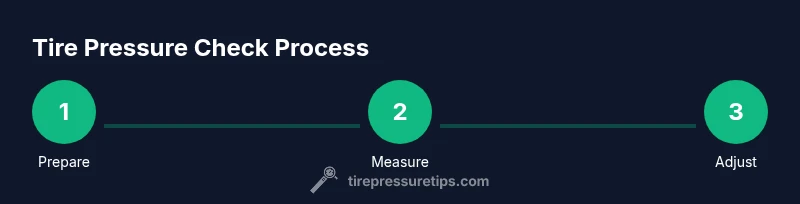
This section complements the dedicated Step-by-Step guide and provides quick context. Start with a cold tire reading, locate the correct pressure on the door jamb sticker, and prepare your gauge. Remove the valve cap, attach the gauge securely, and read the pressure. If readings are outside the target range, you’ll know you need to adjust. The goal is to equalize all four tires (and the spare, if used regularly).
Note: The numbers you’ll see are influenced by temperature, recent driving, and tire wear. Always recheck after making adjustments to ensure accuracy. According to Tire Pressure Tips Analysis, maintaining consistent readings across tires helps stability and braking performance.
Interpreting Gauge Readings: What the Numbers Mean
Interpreting tire pressure readings isn’t about chasing a perfect number; it’s about matching the gauge reading to the manufacturer’s specification for your Audi Q5. When readings are close to the target but a little low, you can top up slowly in small increments. If readings are consistently high, let air out until the gauge aligns with the recommended value. For TPMS users, small discrepancies can occur, so rely on manual checks to confirm. Always read when tires are cold, as heat from driving inflates tires and skews results. Key takeaway: target accuracy, not a single perfect figure, is what matters for safety and performance.
Common Pitfalls and How to Avoid Them
Avoid common mistakes that undermine accuracy. Don’t measure right after a drive; always measure cold. Don’t reuse an old or damaged gauge, and avoid over-tightening the valve cap. If you notice a slow leak or a persistent low reading, inspect the valve stem for damage, check for punctures, and consider professional inspection. When you replace tires, ensure the new size matches the listed specifications. A stable, well-calibrated gauge paired with regular checks helps prevent inaccurate readings and improves overall tire health.
Seasonal and Maintenance Considerations for Audi Q5
Seasonal changes, road conditions, and driving habits influence tire pressure. Colder weather typically reduces pressure, while hot pavement can raise it slightly. Plan to check tires more frequently during transition seasons and before long trips. Use a quality gauge and ensure you recheck after adjustments, as pressure can change with temperature and load. Establish a monthly check routine to maintain consistent performance and safety throughout the year. Tire Pressure Tips recommends documenting readings to monitor trends over time and catching slow leaks early.
Tools & Materials
- Tire pressure gauge (digital or analog)(Use a well-calibrated gauge; ensure the stem fits Audi valve stems)
- Audi Q5 owner’s manual or door jamb sticker(Provides official pressure targets for your exact model and tire size)
- Air compressor or air pump (optional)(Only if you need to adjust pressures at home; avoid overinflation)
- Clean cloth or rag(Wipe valve stems and gauge to ensure clean readings)
Steps
Estimated time: 20-35 minutes
- 1
Prepare the vehicle and environment
Park on a level surface and turn off the engine. Let tires cool for at least 2–3 hours if you’ve been driving. Gather your gauge, manual or sticker reference, and, if available, an air source. A calm, stable environment helps you read accurately and safely.
Tip: Choose a shaded area on warm days to avoid heat influencing the reading. - 2
Find the recommended pressure
Locate the official tire pressure target for your Audi Q5 on the door jamb sticker or in the owner’s manual. Make sure you’re using the correct values for tire size and load. Note the units (psi or kPa) and prepare to align your gauge accordingly.
Tip: If you’ve replaced tires with a different size, confirm the new targets in the manual. - 3
Remove the valve cap
Carefully unscrew the valve stem cap and keep it in a safe place. A loose cap can let dirt into the valve, causing inaccurate readings or leaks. Inspect the valve for any obvious damage before proceeding.
Tip: Use a clean cloth to wipe the valve stem if it’s dusty. - 4
Attach the gauge and read
Press the gauge onto the valve stem firmly to get a quick, stable reading. If you use a digital gauge, press and hold until the number stabilizes. If you’re using an analog gauge, note the needle position and compare it to the target.
Tip: Take two readings for each tire to confirm consistency. - 5
Adjust to the target pressure
If the tire is underinflated, add air slowly until you approach the target. If overinflated, release small amounts of air until you reach the target. Recheck each tire after adjustments.
Tip: Make adjustments in small increments to avoid overshooting the target. - 6
Recheck and reseal the valve
With all tires adjusted, recheck all four readings. Replace the valve caps securely. Ensure the cap threads are clean to prevent leaks.
Tip: Tighten the valve caps snugly, but do not overtighten. - 7
Check the spare and TPMS status
If you regularly use a spare tire, measure its pressure as well. If TPMS warnings appear later, verify readings by manual checks to confirm a true underinflation or a TPMS fault.
Tip: A TPMS warning may indicate a sensor issue or a puncture aligns with a low reading from a tire. - 8
Document and plan future checks
Record the readings and note the date. Schedule monthly checks or seasonal previews. Keeping a log helps identify slow leaks and tire wear trends.
Tip: Set a calendar reminder to maintain a regular check cadence. - 9
Understand what to do if readings vary
If readings vary widely between tires or change rapidly, inspect for leaks, punctures, or valve stem issues. If you’re unsure, consult a professional to prevent road hazards.
Tip: Unusual variations often indicate a leak or hardware problem that warrants inspection.
Frequently Asked Questions
How often should I check the Audi Q5 tire pressure?
Check tire pressure monthly and before long trips, and whenever you notice handling changes or a TPMS alert. Temperature changes can also affect readings, so adjust your schedule with the seasons.
Check monthly and before long trips, especially when seasons change.
Is it okay to check tire pressure when the tires are warm or hot?
Reading hot tires can give falsely high results. Always measure when tires are cold for an accurate target. If you must check soon after driving, note that the reading may rise after a cool-down period.
It's best to check when cold for accuracy.
What should I do if TPMS shows a warning but readings are normal?
A TPMS warning with normal gauge readings could indicate a faulty sensor or wiring issue. Recheck readings carefully, inspect the sensor, and consider a diagnostic from a tire or Audi service center.
If readings look fine but TPMS warns, have the system checked.
Do run-flat tires require the same checks as standard tires?
Run-flat tires follow the same principle: check the target pressure on the door sticker and use a gauge. Some run-flat tires can tolerate slightly different pressures; consult Audi’s guidance for your model year.
Run-flat tires still need correct pressure and readings from the sticker.
Is a digital gauge better than an analog gauge for the Audi Q5?
Both work well if calibrated. Digital gauges are usually easier to read, while analog gauges require careful interpretation. Choose the one you trust and test it against a known reference.
Both gauge types work; pick the one you trust and test it.
What tools do I need to adjust tire pressure at home?
You will need a reliable tire pressure gauge and an air source (compressor or pump). For changes beyond simple adjustments, a professional inspection may be necessary.
A gauge and air source will handle most adjustments, bigger changes may need a pro.
Watch Video
What to Remember
- Check tires when cold using official targets
- Use a reliable gauge and recheck readings
- Follow the door jamb sticker for target pressure
- Recheck after adjustments for accuracy
- Regular maintenance reduces risk and wear