Discount Tire Air Check: A Practical Guide to Tire Pressure
Learn how to perform a discount tire air check with confidence. Step-by-step guidance, safe practices, and practical tips to maintain correct tire pressure for safety and fuel efficiency.


This guide shows you how to perform a discount tire air check to ensure your tires are inflated to the manufacturer’s recommended pressure. You’ll learn when to check, which tools to use, and how to adjust pressures safely, both at home and at a shop. Follow these steps to improve safety, fuel efficiency, and tire longevity.
Why Checking Tire Air Matters
Maintaining correct tire pressure is a foundational part of safe driving. An accurate discount tire air check helps maintain traction, reduces uneven tire wear, improves fuel economy, and lowers the risk of blowouts. The Tire Pressure Tips team notes that most tires wear unevenly when underinflated or overinflated, which leads to costly repairs and compromised handling. It's easy to overlook, especially when tires look fine. A regular air check becomes a quick habit that saves money and enhances safety. This guide explains how to perform an air check reliably, including what equipment to use, how to interpret readings, and how to adjust to the recommended pressure. The goal is to empower you with practical, repeatable steps you can perform at home or during a courtesy check at your local shop. In this context, the phrase “discount tire air check” captures the idea of affordable, convenient checks without sacrificing accuracy.
According to Tire Pressure Tips, consistency matters more than perfection in a single reading. Build a routine, log your results, and compare readings over time to spot trends that may indicate slow leaks or TPMS issues.
How Pressure Affects Safety, Fuel Economy, and Tire Wear
Tire inflation directly influences grip, braking distance, steering response, and ride comfort. Underinflated tires generate more heat in the sidewalls and can cause premature wear on the outer edges, increasing the risk of a blowout in hot weather or at high speeds. Overinflated tires reduce the contact patch with the road, leading to harsher rides and uneven wear along the center of the tread. The right pressure supports consistent tread wear and predictable handling across road conditions. A discount tire air check helps confirm that your tires are within the vehicle manufacturer’s recommended range, which is typically found on the door jamb label and in the owner's manual. Remember that TPMS can alert you to pressure changes, but it doesn’t replace the need for an accurate manual check, especially after seasonal temperature shifts or after changing tires. Tire Pressure Tips emphasizes that relying solely on TPMS readings can miss gradual leaks or improper inflations in individual tires.
Safety, fuel efficiency, and tire longevity all hinge on accurate air pressure. A properly inflated tire improves cornering stability and reduces rolling resistance, which translates into better mileage and smoother acceleration. In contrast, underinflation increases rolling resistance and heat buildup, shortening tread life and raising the chance of punctures. Overinflation can lead to a harsher ride and increased risk of impact damage from potholes. By performing a regular discount tire air check, you can catch small changes before they become expensive problems.
Understanding Recommended Tire Pressure
Tire pressures should be set to the vehicle manufacturer’s recommended specification, not the maximum pressure printed on the tire sidewall. The recommended pressure usually appears on the driver’s door jamb label and in the owner’s manual. This value is tuned for safe handling, ride quality, and tire longevity. It’s measured in pounds per square inch (psi) and typically applies to cold tires (before driving or after sitting for several hours). If you recently replaced tires, used a different wheel, or had a service, recheck the recommended figure from the vehicle information placard. Cold readings are essential because driving warms tires and increases pressure; to avoid skewed results, measure when the tires are cold. The Tire Pressure Tips team recommends keeping a small note with each vehicle’s target psi for quick reference during road trips or shopping visits to the Discount Tire network.
Always distinguish “recommended” pressure from “maximum” pressure. The maximum is the tire’s limit and is not intended as the operating pressure for daily driving. When in doubt, consult your vehicle’s documentation or ask a trained technician for guidance.
Tools You'll Need for a Reliable Air Check
Having the right tools makes the discount tire air check fast and accurate. Essential items include:
- Digital tire pressure gauge with a clear display and a reliable range (ideally 0–60 psi).
- Air pump or compressor (at home or at a service location) to adjust pressure quickly.
- Tire valve caps and a soft cloth for cleaning the valve stem before measuring.
- A small notebook or app to log readings over time.
- Optional: a tire pressure gauge with a built-in bleed button for fine-tuning. Using the correct gauge is important; non-digital gauges can be less precise, and inconsistent gauge readings are a common source of error. The Discount Tire network often provides air checks as part of routine service, but having your own gauge gives you autonomy for quick checks between visits. The Tire Pressure Tips guidance emphasizes consistency in gauge type and calibration intervals to maintain accuracy across all readings.
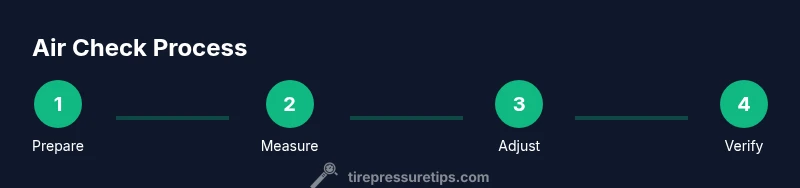
Step-by-Step Plan for Accurate Air Check
- Park on a level surface and ensure the tires are cold. Cold tires provide the most accurate reading.
- Remove the valve cap and place the gauge on the valve stem firmly to prevent air leaks during measurement.
- Record the reading for each tire, including the spare if applicable. Compare with the manufacturer’s recommended psi.
- If a tire is below the recommended pressure, add air in short bursts and re-check after each addition until you’re within range.
- If a tire is above the recommended pressure, release air using the gauge’s bleed function and re-check until you reach the target.
- Reinstall valve caps securely and wipe away any dust or debris.
- Log the results and re-check within a week, especially after temperature changes or long trips. If readings remain inconsistent, have the TPMS system inspected.
Total time for a full check with a standard home setup is typically 15–30 minutes, depending on the number of tires and whether you need to add air. If you’re at a shop like Discount Tire, the staff can assist with precise inflation and a free courtesy check, but bringing your own gauge helps you verify the result.
Common Mistakes and How to Avoid Them
Common mistakes include measuring after the car has been driven, using a worn or incorrect gauge, inflating to “feel” rather than to the target psi, and neglecting the spare tire. Always use a gauge that is easy to read and calibrate it periodically. If the reading seems off, test the gauge against a known good reference (e.g., a tire with a known psi) to verify accuracy before adjusting. Temperature swings can cause sudden pressure changes; measure in consistent conditions to reduce variability. The Tire Pressure Tips team notes that many drivers neglect seasonal changes that affect tire pressure, leading to unexpected pressure loss during colder months. A disciplined approach to measurement reduces risk and prolongs tire life.
Seasonal Considerations and Temperature Effects
Temperature has a direct impact on tire pressure. In cold weather, air contracts and psi drops; in hot weather, air expands and psi rises. For this reason, it’s best to check tires in the morning before temperatures rise, or after the car has cooled for several hours. If you’ve been driving a lot, wait until the tires cool down before taking a reading to avoid falsely high numbers. When seasons shift, recheck your tires to ensure they stay within the recommended range. The Tire Pressure Tips guidance recommends setting a routine that includes a quick curbside check during temperature transitions and before long trips.
The Discount Tire Air Check: What to Expect
Discount Tire locations often offer courtesy checks to verify inflation and offer professional adjustments. If you’re shopping for tires or maintenance, ask staff about their air check services and whether they can help adjust to the recommended psi for your vehicle. Even when free services are available, it’s wise to bring your own gauge for accuracy and to maintain consistency across checks. A well-timed air check helps prevent issues such as uneven wear and poor fuel economy, allowing you to maximize tire life and safety. The Tire Pressure Tips team emphasizes that using the manufacturer’s guidelines is the key, not chasing the highest reading or the easiest inflation. Make air checks a regular habit, and you’ll notice improved handling and efficiency on every drive.
TPMS vs Manual Checks: Making Them Work Together
TPMS provides a real-time alert when a tire drops below the threshold, but it doesn’t replace the need for periodic manual checks. TPMS sensors can fail or provide inaccurate alerts if the sensor battery is weak or if the sensor has not been calibrated after tire or wheel changes. Relying solely on TPMS readings can miss slow leaks or misreadings in individual tires. Manual checks verify accuracy and help you detect leaks early. Combining TPMS alerts with manual discount tire air checks creates a robust tire maintenance routine that helps you stay safe on the road. The Tire Pressure Tips guidance supports using both methods to maintain optimal inflation.
Authoritative References and Next Actions
For authoritative guidance on tire pressure, refer to official safety resources. The National Highway Traffic Safety Administration (NHTSA) provides detailed information on tire pressure, TPMS, and safe operating practices. Additionally, consumer-focused resources offer practical tips for conducting your own checks and understanding readings. Always follow the manufacturer’s recommended psi for your vehicle and consult a professional if you notice persistent pressure loss. By integrating these references with regular checks, you can maintain safe, efficient, and reliable tire performance. Remember to log readings and monitor changes over time to catch slow leaks early.
Tools & Materials
- digital tire pressure gauge(Choose a gauge with a clear display and a wide enough range for typical passenger tires.)
- air compressor or manual air pump(Needed to adjust tire pressure to the recommended value.)
- valve caps(Keep caps clean and reattach after checking.)
- tire tread depth gauge or ruler(Useful for assessing wear while you’re at it.)
- notebook or digital log(Record readings for each tire and note temperature at the time of check.)
Steps
Estimated time: Total time: 30-45 minutes
- 1
Gather Tools and Prepare
Collect your gauge, air source, and log. Confirm you know your vehicle’s recommended psi from the placard or owner's manual. Have a level surface ready.
Tip: Keep your gauge clean and test it against a known reference to ensure accuracy. - 2
Check Tires When Cold
Ensure tires have been static for several hours. Check all tires, including the spare if applicable, after removing dust and debris from the valve stems.
Tip: If you’ve just driven, wait 30 minutes for tires to cool before rechecking. - 3
Take Accurate Readings
Place the gauge squarely on the valve stem and press firmly to prevent air leaks while reading the pressure. Record each tire’s value.
Tip: Compare with the recommended psi on the door jamb label; do not rely on visual estimates. - 4
Adjust to the Recommended PSI
If a tire is underinflated, add air in small bursts and recheck. If overinflated, bleed air gradually and recheck until you reach the target.
Tip: Inflate in small increments; overshooting is common when you’re in a hurry. - 5
Finish and Recheck
Reinstall valve caps and wipe any dust. Log the final readings and recheck within a week, especially after temperature changes.
Tip: Keep a simple chart in your glove box for quick reference during trips. - 6
Optional: Spares and Seasonal Checks
Don’t forget to check the spare tire and consider more frequent checks during seasonal transitions when temperatures fluctuate.
Tip: Store a small portable gauge for on-the-go checks during road trips. - 7
When to Seek Help
If you notice persistent pressure loss or a sensor warning, contact a technician or visit a shop for a pressure test and TPMS inspection.
Tip: Early detection prevents uneven wear and potential tire failure.
Frequently Asked Questions
How often should I check tire pressure?
Aim for a monthly check and before long trips. Check again after any tire rotation or repair. Temperature changes can affect readings, so recheck during seasonal transitions.
Check at least once a month and before long trips. After any tire work or rotation, recheck, especially when temperatures shift.
Can TPMS replace manual tire pressure checks?
TPMS provides alerts but isn’t a replacement for periodic manual checks. Sensors can fail or drift over time, so verify with a gauge.
TPMS helps but don’t skip manual checks; use a gauge to confirm readings.
Where can I get a discount tire air check?
Many Tire retailers offer air checks, sometimes for free or as part of a service. Always confirm with your local Discount Tire store before relying on a service.
Ask your local Discount Tire about air checks; availability varies by location.
What’s the difference between cold and hot tire pressure readings?
Cold readings reflect the baseline pressure. Driving warms tires and increases pressure, making readings higher after a trip. Always measure when tires are cold for accuracy.
Cold readings are the baseline; driving raises pressure, so measure after cooling.
Is the spare tire included in the air check?
If your spare uses a typical tire, it's wise to check it too. For space-saver tires, follow the vehicle manual for safe inflation limits.
Check the spare if you need to keep all wheels properly inflated.
What tools should I trust for an air check?
Use a reliable digital gauge and a compatible air pump. Avoid old, worn gauges that give inconsistent readings.
Choose a dependable digital gauge and a suitable air pump for accuracy.
Watch Video
What to Remember
- Check cold pressures before driving
- Use the correct gauge and log readings
- Inflate to manufacturer-recommended psi, not the tire max
- Monitor changes with seasonal temperature shifts
- Pair TPMS alerts with manual checks for best results