Chevrolet Impala Tire Pressure Guide: Check, Inflate, Maintain
Learn how to check, inflate, and maintain the correct tire pressure for your Chevrolet Impala. Practical steps, TPMS tips, and safety guidance to optimize handling, wear, and fuel efficiency.


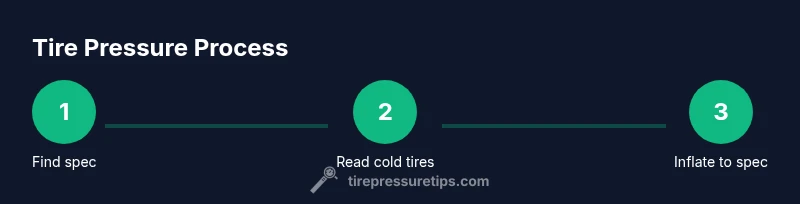
Achieve optimal safety and efficiency by checking and maintaining the correct Chevrolet Impala tire pressure. This quick 3-step guide teaches you where to find the spec, how to check cold tires, and how to inflate without overdoing it. According to Tire Pressure Tips, proper tire pressure improves handling, wear, and fuel economy.
Why tire pressure matters for the Chevrolet Impala
Maintaining the correct tire pressure on your Chevrolet Impala is a foundational aspect of safe driving, fuel efficiency, and tire longevity. When pressures are too low, you increase rolling resistance, heat buildup, and shoulder wear; when pressures are too high, you reduce grip and accelerate center-tread wear. The Tire Pressure Tips team emphasizes that consistent, correct pressure keeps handling predictable and extends tire life. For Impala owners, the benefits go beyond performance: proper pressure improves braking response, steering precision, and even load handling on longer trips and when carrying passengers or gear. Inconsistent pressure can also trigger faster wear on the outside edges or create tread separation risks on rough pavement. By making a habit of checking cold tires and using a reliable gauge, you can catch small leaks or slow air loss before they become expensive repairs. This guide will outline practical steps tailored to the Impala, with emphasis on safety, accuracy, and long-term maintenance.
How to locate the correct tire pressure specification for your Impala
Your Chevrolet Impala’s correct tire pressure is not the number printed on the tire sidewall. That maximum pressure is for the tire's safety rating at maximum load. The actual recommended pressure for your vehicle is listed on the door jamb placard mounted on the driver's side, and it's also in the owner's manual. The placard shows two numbers: one for the front tires and one for the rear tires, and those numbers may change with load or wheel size. If your Impala is equipped with different tire sizes after a factory upgrade, use the spec corresponding to your current tire size rather than the original sticker. According to Tire Pressure Tips, always start with the placard value and adjust for load, temperature, and driving conditions. For example, a full vehicle with luggage might require a slightly higher pressure, while a lighter load can use the base value. Keep in mind that the wheel-and-tire combination affects ride comfort and contact patch, so ensure you’re inflating to the right figure for your exact setup.
Temperature effects and seasonal changes
Temperature affects tire pressure more than most drivers expect. As outdoor temperatures fall, tire pressure tends to drop because the air inside contracts; as it warms, pressure rises. For drivers of the Impala, this means you may need to check and adjust pressures more frequently during transition seasons and in extreme weather. The goal is to maintain the door-placard specified pressure when the tires are cold, meaning they have been at rest for several hours or after the car has been parked overnight. If you check the pressure after a short drive, the reading will be artificially high. In winter, check pressures in the morning before you drive; in summer, check before you start long trips. Regular checks help prevent underinflation or overinflation, both of which can impact tire wear, fuel economy, and braking performance.
Tools and materials you’ll need
To make this process smooth, you’ll want a reliable tire pressure gauge (digital or analog), the door placard or owner’s manual for spec values, an air pump or compressor with a gauge, and a spare valve cap. If you’re inflating multiple tires, consider a pump with enough capacity to bring all tires back to spec without overheating the compressor. Check tires when they are cold for the most accurate reading, and have a place to record your measurements so you can spot slow leaks over time.
Step-By-Step Overview for Checking and Adjusting Impala Tire Pressure
Here’s a concise overview of the actions you’ll perform in the full step-by-step guide. 1) Locate the correct front and rear pressure values on the door placard. 2) Ensure tires are cold before reading. 3) Attach the gauge and take a reading for each tire. 4) Inflate or deflate to reach the specified pressures. 5) Recheck all tires after adjustment. 6) Verify the spare and TPMS readiness and record the results.
Common mistakes to avoid
Avoid inflating to the tire's maximum sidewall pressure; use the door placard value instead unless you’re carrying a heavy load. Don’t rely on the tire’s appearance or noise as an indicator of pressure. Never inflate beyond the tire’s maximum pressure. If you notice slow leaks, address them promptly to prevent unsafe driving conditions.
Seasonal maintenance schedule and best practices
Create a simple routine: check tire pressures monthly and before long trips, especially when weather changes. In winter, check after cold mornings; in hot months, watch for pressure increases after highway driving. Pair tire-pressure checks with TPMS status checks and keep a small log of readings to monitor trends over time.
Final notes: spare, TPMS, and records
Always inspect the spare tire’s pressure and condition, as a flat spare is useless in an emergency. When TPMS alerts you, compare the readouts to the placard, adjust accordingly, and allow the system to reset if needed after driving the car at the corrected pressure. Keeping a simple maintenance log helps you catch slow leaks before they become safety concerns.
Tools & Materials
- Tire pressure gauge (digital or dial)(Prefer a gauge with a small measuring increment for accuracy)
- Vehicle door placard or owner's manual(Source of the exact front/rear pressures for your Impala)
- Air pump or compressor(Ensure it can reach the target pressures without overheating)
- Valve caps (spare can be kept on hand)(Keep track of all valve caps; replace missing ones)
- Notebook or digital log(Record readings to monitor changes over time)
Steps
Estimated time: 15-25 minutes
- 1
Find the correct pressure
Locate the recommended front and rear tire pressures on the door placard and compare with your current readings. Note that the spec may vary by load and wheel size. If you’re unsure, use the placard value as the baseline.
Tip: Double-check both front and rear values; they can differ. - 2
Read tires when cold
Read all tires when they are cold to get an accurate measurement. A recently driven tire will give a higher reading due to heat expansion.
Tip: If you’ve just driven, wait several hours or until the tires cool before measuring. - 3
Attach gauge and measure
Remove the valve cap, firmly press the gauge onto the valve stem, and take a reading for each tire. Record the numbers for reference.
Tip: Ensure a proper seal; an air leak around the gauge skews the reading. - 4
Inflate to spec if low
If a tire reads below the placard value, inflate in small increments and recheck after each adjustment. Avoid inflating beyond the recommended figure or past the tire’s maximum pressure.
Tip: Inflating in small steps helps you stop exactly at the target pressure. - 5
Recheck all tires
After adjusting, recheck every tire to confirm you’re at the correct spec. Don’t forget the spare—if it’s mounted on a wheel, it may also require a check.
Tip: A quick recheck helps catch leaks or slow loss you might have missed. - 6
Address TPMS and records
If your TPMS shows a fault or warning, fix the root cause (pressure changes, leaks) and verify the system resets as you drive. Maintain a simple log of readings for future reference.
Tip: Driving after correcting pressure often helps the TPMS reset automatically.
Frequently Asked Questions
Why is my TPMS light on after inflating tires?
TPMS alerts often indicate a pressure discrepancy. After inflating to spec, the system may need a few driving cycles to reset. If the light persists, check each tire again for leaks and ensure the valve stems are sealing properly.
The TPMS light usually means a current pressure difference. Inflate to spec and drive a short distance to reset, but recheck if it stays on.
How often should I check tire pressure on a Chevrolet Impala?
Check tire pressure at least monthly and before long trips. Temperature changes and load can affect readings, so more frequent checks are prudent during seasonal transitions.
Check monthly and before trips, especially during seasonal changes.
Can I inflate tires when they’re warm?
It’s best to check and adjust when tires are cold. Warm tires read higher and inflating while warm can lead to overinflation once they cool.
Check when cold; avoid inflating hot tires to prevent overinflation.
What happens if I drive on underinflated tires?
Underinflated tires wear unevenly, reduce fuel efficiency, and can compromise braking and handling. Regular checks help prevent these risks and extend tire life.
Underinflated tires wear faster, lower fuel economy, and can reduce braking performance.
Is TPMS the same as using a tire pressure gauge?
TPMS monitors tire pressure automatically and alerts you to changes, but you should still verify with a gauge to confirm actual pressures meet spec.
TPMS alerts you to changes, but use a gauge to confirm the exact pressure.
Does weather affect the Impala’s tire pressure?
Yes. Temperature shifts cause pressure changes. Check pressures more often during seasonal transitions and before long drives in extreme weather.
Weather changes affect tire pressure; check more often when seasons shift.
Watch Video
What to Remember
- Check tires when cold for accuracy
- Always use the placard value, not the sidewall max
- Inflate in small increments and recheck
- Document readings to spot slow leaks
- Verify TPMS after adjusting pressures