235 35 r19 tyre pressure: check, adjust, and maintain
Learn how to check and adjust tyre pressure for 235 35 r19 tires, understand TPMS readings, and maintain safe performance with practical steps and maintenance tips.


This guide helps you safely check and adjust the tyre pressure for 235 35 r19 tires, interpret TPMS alerts, and maintain optimal handling and tire wear. You’ll learn how to locate the correct pressure, how temperature changes readings, and a practical approach to inflating and rechecking for consistent performance.
What the 235 35 r19 tyre pressure means
The size designation 235/35R19 describes width 235 mm, aspect ratio 35, radial construction, and wheel diameter 19 inches. When we talk about tyre pressure for this size, we refer to the recommended cold inflation pressure for your specific vehicle. In the context of 235 35 r19 tyre pressure, follow the vehicle’s placard on the door jamb or the owner's manual for the exact pounds per square inch (psi) or kilopascals (kPa). The number on the label may differ between front and rear tires, and some manufacturers specify separate values for different load conditions or speeds. In general, you’ll see typical passenger-car pressures in the 30-35 psi range, but high-performance or run-flat tires can operate higher. It’s essential to understand that pressure is not a fixed property of the tire size alone; it interacts with load, speed, temperature, and tire construction. Throughout this article we’ll address how to apply the right pressure to your 235 35 r19 tyres, what to watch for, and how to keep readings accurate.
Why correct tyre pressure matters for safety and performance
Maintaining the correct pressure improves grip, braking, and steering response, especially for a low-profile 235/35R19 setup. Underinflated tires wear faster on the edges and can overheat on hot days, increasing the risk of tire failure. Overinflated tires ride harsher, reduce contact patch, and can lead to uneven wear or a rougher ride. Proper pressure also preserves fuel efficiency by reducing rolling resistance. According to Tire Pressure Tips, disciplined pressure checks help prevent avoidable wear and improve overall vehicle dynamics. As you learn more about the 235 35 r19 tyre pressure, you’ll appreciate how small adjustments translate to meaningful changes in handling and safety.
How to find the correct pressure for your 235/35R19 tires
The quickest way to identify the correct pressure is to read the placard on the driver’s door jamb or consult the vehicle’s owner’s manual. Many performance-oriented cars with 235/35R19 tires have different front and rear values. If you’re unsure, use a calibrated gauge and measure when the tires are cold. Note that the recommended pressure is specified for cold tires; driving heats the air inside the tire and temporarily increases the reading. Remember that the 235 35 r19 tyre pressure must align with the vehicle’s weight distribution, load, and speed rating. If you consistently see readings far from the placard, there may be a slow leak or a misread.
Impact of load, speed, and temperature on tyre pressure
Tire pressure is dynamic. A heavy payload or extended highway driving at higher speeds increases internal air temperature, raising the gauge reading even if you added air to reach the cold spec previously. Conversely, overnight cooling or winter cold can lower readings. For 235/35R19 tires, consider that an extra passenger or luggage load may require a few psi adjustments according to the placard guidance. Tire pressure can also shift with ambient temperature; a 10°C drop can reduce pressure by roughly 1 psi, though this varies by tire construction and inflation method. Regular checks help you catch these changes before they affect grip and wear.
How to check and adjust tyre pressure accurately
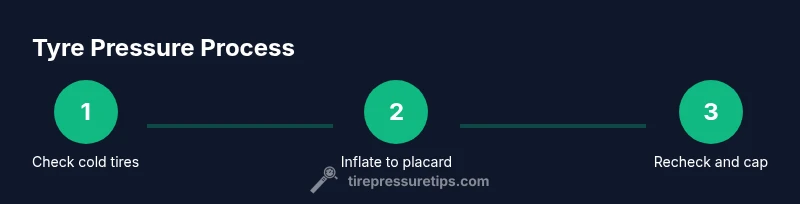
Always start with cold tires to get a stable baseline. Remove the valve caps, attach your gauge, and read the pressure. Compare the result with the manufacturer’s specification and adjust as needed using an air pump or gauge-integrated inflator. After adding or releasing air, recheck both front and rear tires to confirm you’ve hit the target numbers. Reinstall the valve caps, and note the readings for each tire in a maintenance log. If the gauge and TPMS disagree, trust the gauge for a cold-stand reading and recheck after a brief drive to see how the TPMS reacts to normal acceleration.
Using TPMS vs manual gauge: Pros and pitfalls
TPMS provides real-time alerts that are helpful when driving, but it isn’t a replacement for regular manual checks. Some TPMS sensors may drift over time, or readings can be affected by sensor calibration and wheel changes. A calibrated hand gauge—preferably digital for consistency—offers a reliable cross-check. Remember that TPMS targets are often approximate, especially when tires are near the wear limit or when temperatures shift seasonally. For 235 35 r19 tyres, use the TPMS as a warning system and rely on a direct gauge for accurate adjustments.
Common mistakes when inflating 235/35R19 tires
Common errors include inflating in a hot state, ignoring differences between front and rear pressures, and not accounting for load changes. Another frequent mistake is using a gauge that hasn’t been calibrated recently. When inflating, avoid over-pumping and never rely on guesswork for high-performance tires, which require precise pressures to maintain cornering stiffness and even wear. Finally, don’t forget to verify pressures after driving a short distance, since the heat generated during operation can move readings.
Maintenance schedule and when to recheck pressure
Make a habit of checking tire pressures at least once a month and before long trips. Check again after carrying heavy loads or a change in season. Consider setting a reminder for seasonal changes, as roads and temperatures influence tire pressure. For the specific 235 35 r19 tyre pressure, always revert to the placard’s figures and use a quality gauge for repeatable measurements. Regular checks help you stay within safe limits and maximize tire life.
Quick troubleshooting and alternatives
If readings vary widely across the four tires or you notice uneven wear, investigate potential slow leaks, damaged valves, or misalignment. For the 235 35 r19 tyre pressure, if TPMS thresholds seem unreliable, perform an independent gauge check and compare results. If you find a consistent discrepancy, consider a professional inspection to rule out sensor faults or wheel seal issues. When in doubt, revert to the cold-psi specification and re-test after cooling down.
Tools & Materials
- Tire pressure gauge (digital or analog)(Calibrated; read when tires are cold)
- Air pump or compressor(With a built-in gauge preferred for quick cross-checks)
- Vehicle owner’s manual or door placard(Contains the recommended cold psi values for front/rear)
- Valve cap removal tool or flexible hose(Helpful for hard-to-reach valves on some wheels)
- Maintenance log or notebook(Record readings and any adjustments per tire)
Steps
Estimated time: 25-40 minutes
- 1
Park and cool tires
Park on a level surface and let tires cool for at least 3 hours after driving. Cold tires give the most accurate baseline pressure. If you can’t wait, perform the check first thing in the morning.
Tip: Avoid checking after a highway drive; hot tires read higher. - 2
Find the correct pressure values
Locate the recommended cold pressures for front and rear on the door placard or in the owner’s manual. Write them down for quick reference during inflation.
Tip: Never assume the same pressure on all four tires; your car may require different front/rear values. - 3
Attach gauge and read current pressure
Remove the valve cap, place the gauge on the valve stem, and take a reading. If using a digital gauge, press the trigger to get a stable display.
Tip: Ensure the gauge is perpendicular to the valve stem for an accurate reading. - 4
Adjust pressure as needed
If below target, add air in small increments and recheck. If above target, release air slowly and recheck until you hit the specification.
Tip: Make small adjustments (1-2 psi) at a time to avoid overshoot. - 5
Recheck and cap
Recheck both front and rear tires after adjustments. Replace valve caps securely to prevent dirt ingress.
Tip: Recheck after a short drive if you measured while cold but want to confirm consistency. - 6
Record the readings
Log the final pressures for each tire and note any irregularities or leaks observed. This helps with future maintenance and seasonal checks.
Tip: Keep the log with your vehicle documents for easy reference.
Frequently Asked Questions
What is the cold tire pressure for 235/35R19 tires?
Cold tire pressure is the recommended value shown on the vehicle placard or owner’s manual. Always check when tires are cool to get an accurate baseline before inflation.
Check the placard for the cold value, and verify with a gauge when tires are cold.
Can TPMS be trusted over a gauge?
TPMS provides real-time alerts, but sensors can drift over time. Use a calibrated gauge to confirm exact pressures, especially after sensor work or wheel changes.
TPMS is helpful, but confirm with a gauge for accuracy.
Should pressure change with speed or load?
Yes. Higher speed and greater load can require adjustments per the placard. Always verify against the manufacturer’s guidance for your driving conditions.
Load and speed can affect pressure; check the placard for guidance.
What if my gauge reads differently from TPMS after inflating?
If there’s a discrepancy, trust the gauge when tires are cold and recheck after a cool-down. If readings continue to diverge, inspect the sensor and valve stems for faults.
Trust the cold gauge reading and recheck; inspect sensors if discrepancies persist.
How often should I check tyre pressure?
Check at least monthly and before long trips, especially when carrying heavy loads or during seasonal temperature changes.
Check monthly and before long trips, especially with changes in load or temperature.
Watch Video
What to Remember
- Check cold tires first for accuracy
- Follow the vehicle placard for front/rear values
- Use a calibrated gauge to inflate
- Account for load and temperature changes
- Keep a maintenance log of pressures