Tire Pressure and Weather: Understanding Seasonal Impacts
Learn how weather and temperature affect tire pressure, how to read TPMS readings, and practical steps to maintain safe pressure across seasons and driving conditions.


Weather's Influence on Tire Pressure
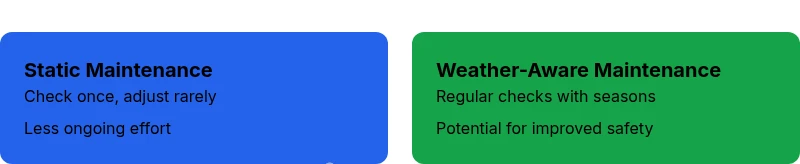
Weather and tire pressure are tightly linked. Ambient temperature directly affects the air inside each tire, and the effects become noticeable as seasons change or during rapid weather swings. The Tire Pressure Tips team emphasizes that maintaining the manufacturer’s recommended pressure is not a static task; it is a weather-aware practice. In practical terms, cold mornings tend to lower readings, while hot afternoons push readings higher. This means a tire that seems fine in one part of the day may be underinflated or overinflated a few hours later if you don’t account for the weather.
Beyond safety and handling, weather-driven pressure changes influence wear and fuel efficiency. Underinflated tires wear on the edges and can increase rolling resistance, while overinflated tires reduce the contact patch and can worsen grip in rain. The big takeaway for drivers is simple: treat tire pressure as a variable parameter that shifts with temperature, and plan checks around weather transitions. The goal is consistent, safe performance rather than a single number you dial in once and forget.
To implement this, a practical habit is to check pressure when tires are cold and before long trips in cooler months, then recheck after exposure to heat or after driving in warm weather. Combine TPMS readings with a precise manual gauge to verify, and adjust toward the vehicle’s recommended range as the forecast changes.