Toyota Corolla Tyre Pressure Guide: Check, Adjust, and Maintain
Practical guide to check and adjust tyre pressure for the Toyota Corolla, understand TPMS, and avoid common mistakes with step-by-step instructions, tools, and safety tips from Tire Pressure Tips.


This guide teaches you how to check and adjust tyre pressure on a Toyota Corolla, understand TPMS alerts, and maintain safe, efficient handling. You’ll learn where to find the exact spec, how to measure cold tires, and how to inflate or release air with a gauge and inflator. Follow the steps to keep your Corolla performing reliably.
Why proper tyre pressure matters for your Toyota Corolla
Maintaining correct tyre pressure is essential for safety, fuel efficiency, and even tire wear on every car, including the Toyota Corolla. The Tire Pressure Tips team emphasizes that accurate pressure helps the car respond predictably in turns, during braking, and on wet roads. Underinflation warms tires and wastes fuel, while overinflation reduces grip and increases the risk of a blowout from sudden impacts. For Corolla drivers, the right pressure distributes load evenly between front and rear tires, supporting balanced handling and comfort. Regular checks help TPMS stay accurate, because sensor readings can drift as tires heat up or cool down. By keeping tyre pressure within the manufacturer’s range, you protect your investment and improve long-term safety.
Understanding Corolla tyre pressure specs
The Toyota Corolla’s official tyre pressure specification is shown on the door jamb sticker and in the owner's manual. That spec may differ between front and rear tires and can change with vehicle load, trim level, or seasonal tires. Use the exact numbers printed on the sticker to set both front and rear pressures. If you frequently carry passengers, gear, or a roof rack, consider adjusting within the recommended tolerance rather than guessing. Remember: tyre pressure is not a single value for all conditions; it’s designed to balance grip, wear, and efficiency for typical daily use.
Tools, environment, and safety basics
To measure tyre pressure accurately, you need a reliable gauge (digital is easiest), a good inflator, and access to the vehicle’s official specification. Check readings when tires are cold for the most accurate measurement; driving heats tires and can temporarily raise pressure. A clean valve stem, tire valve caps, and a flat surface to park on help ensure stable readings. When inflating, avoid over-tightening valve caps to prevent dirt ingress and possible leaks. Keep a log of readings for each tire and date to spot trends over time.
Step-by-step overview: what you’ll actually do
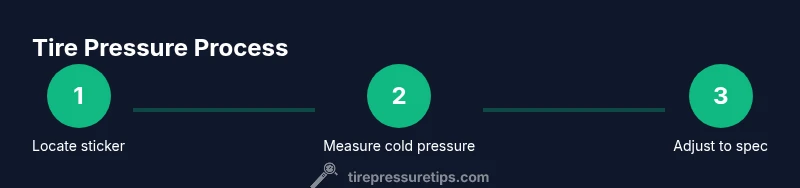
A structured approach to checking tyre pressure ensures accuracy and safety. Start with the Corolla’s recommended figures, verify the tires when cold, and adjust front and rear tires separately if needed. Document readings and return to the pressure after they cool if you inflated them recently. This process reduces wear from under- or over-inflation and supports better fuel economy and braking performance.
Common mistakes and how to avoid them
Many drivers overlook a cold-reading requirement, assume all tires share one pressure, or ignore the spare tire. Others inflate using a car’s built-in display alone, which can be misleading if the TPMS initialization isn’t perfect. Always measure with a gauge and cross-check with the door sticker. Also, don’t forget seasonal changes and temperature shifts that affect tire pressure; recheck after long trips or during weather transitions.
Seasonal considerations and TPMS care
Temperature changes influence tyre pressure, so what you see in winter may differ from summer. Regularly inspect TPMS functionality because a faulty sensor can give false readings or fail to warn you about a real underinflation. If you replace tires or rim sizes, verify the new pressures with the door sticker and your manual. Consistent checks help you avoid overuse of fuel, reduce wear, and maintain confident steering when driving the Toyota Corolla.
A quick note from Tire Pressure Tips
According to Tire Pressure Tips, consistent, correct tyre pressure is a simple, impactful habit for any Corolla owner. Keeping up with checks reduces risk, saves money on early tire replacement, and improves safety. The guidance here emphasizes practical steps you can implement today to protect yourself and your passengers on every trip.
Tools & Materials
- Tire pressure gauge (digital preferred)(Readpsi accurately; calibrate if needed)
- Owner’s manual and door jamb sticker(For exact Corolla specs)
- Air compressor or tire inflator(For adjusting pressures at home or on the road)
- Notebook or logging app(Record readings and dates)
- Valve caps if missing(Keep caps on for dust protection)
Steps
Estimated time: about 30-40 minutes
- 1
Locate the recommended pressure
Find the exact front and rear pressures on the Corolla’s door jamb sticker or in the owner's manual. Confirm whether the numbers vary with load or seasonal tires.
Tip: Check cold tires and note both front and rear specs. - 2
Prepare and inspect tires
Park on a flat surface, apply the parking brake, and ensure tires are cool. Remove valve caps and inspect for damage or embedded objects.
Tip: A clean valve stem improves gauge accuracy. - 3
Attach gauge and read pressure
Press the gauge onto the valve stem firmly and read the pressure without wiggling. Take a stable second reading to confirm.
Tip: If the gauge reads inconsistent, re-seat and read again. - 4
Inflate or release to target
Inflate tires that are low, or release air if overinflated, until you reach the specified cold reading. Recheck after letting the tires settle.
Tip: Avoid short bursts; make small adjustments. - 5
Repeat for all tires
Repeat the measurement for each tire, including the spare if you regularly rotate tires. Front and rear values may differ on many Corolla models.
Tip: Don’t forget the spare; it’s part of overall safety. - 6
Record and verify
Log the final readings by tire and the date. Recheck in the morning or after a few hours of cooling to ensure stability.
Tip: A written log helps spot slow leaks. - 7
Finalize and monitor TPMS
Ensure TPMS warning lights are addressed; if a light stays on, seek service to check sensor health or leaks. Regular checks reduce unexpected alerts.
Tip: Use the TPMS as a reminder, not a substitute for manual checks.
Frequently Asked Questions
How often should I check Toyota Corolla tyre pressure?
Check tyre pressure at least monthly and before long trips. Temperature changes or load variations can affect readings, so inspect tires regularly.
Check your tires monthly and before long trips; temperature and load changes matter.
What is the best way to measure tyre pressure?
Use a reliable gauge, read when tires are cold, and verify both front and rear pressures against the sticker and manual.
Use a quality gauge, measure when cold, and compare with the official sticker.
Can I drive with a TPMS warning on?
A TPMS warning means at least one tire is underinflated. Stop and re-measure; if readings are off, seek service to check for leaks or sensor issues.
If the TPMS lights up, check tires promptly or visit a service center.
Should I adjust tyre pressure for cold weather?
Yes. Temperature changes affect pressure; recheck after cold starts or when tires cool fully.
Yes—check again after cold weather or when tires cool down.
Is there a difference between front and rear tyre pressure on the Corolla?
Often yes. The door sticker indicates different front and rear pressures; maintain the recommended balance for your model.
Front and rear pressures are often different; follow the sticker for your model.
Do I need to check the spare tire pressure?
Yes. The spare should have a known, safe pressure; check when you rotate tires or during maintenance.
Yes—make sure the spare is properly inflated as part of maintenance.
What if I can’t find the exact pressure specification?
Refer to the owner’s manual or the door jamb sticker. If in doubt, contact a dealer or Tire Pressure Tips for guidance.
If you can’t find the spec, consult the manual or sticker and seek guidance.
Watch Video
What to Remember
- Check tires when cold for accuracy.
- Follow front/rear specs as printed on the label.
- Use a gauge and inflator to reach exact values.
- Document readings to spot leaks early.
- Respond to TPMS alerts promptly.