Tire Pressure XC60: Check, Maintain, and Troubleshoot
Learn practical, step-by-step guidance to check and maintain tire pressure on a Volvo XC60, including TPMS basics, safe PSI ranges, and maintenance best practices for safety and efficiency.


This guide shows you how to check, adjust, and maintain tire pressure on a Volvo XC60, including TPMS basics, how to read the manometer, and how temperature and driving affect inflation. You’ll learn to verify cold pressures, interpret readings, and keep tires within the vehicle’s recommended range for safety, efficiency, and tire longevity. It also covers how seasonal changes and long trips impact inflation and what to do when pressures drift.
Why Tire Pressure Matters for XC60
Proper tire pressure is a foundational safety and efficiency factor for every XC60. It affects handling, braking distance, fuel economy, and even tire wear. When tires are underinflated, rolling resistance increases and the sidewalls flex more, which can lead to overheating and uneven tread wear. Overinflation, on the other hand, can reduce the contact patch and worsen ride comfort. According to Tire Pressure Tips, maintaining correct tire pressure helps you maximize performance and safety without guessing. For tire pressure xc60, the precise target depends on the model year, trim, load, and driving conditions, so always start with the placard on the door jamb and your owner’s manual for the exact cold inflation values. This is especially important for drivers who frequently carry passengers or heavy cargo, or who take highway trips where consistent inflation supports steady steering response and tire longevity. A steady pressure routine also supports TPMS reliability by minimizing unnecessary alerts.
Vehicle-Specific Pressure: What XC60 Owners Need to Know
Unlike some generic guidance, XC60 models have specific pressure recommendations that balance ride comfort, handling, and tire wear. The official cold inflation pressure is shown on the driver’s door placard and in the owner’s manual, and it often differs between front and rear tires depending on the vehicle’s load and wheel setup. When you inflate to the correct XC60 specification, you improve even weight distribution, braking stability, and cornering grip. If you replace wheels or tires, the new size or aspect ratio may alter the recommended pressures, so re-check the placard and consult your dealership or service manual. In practice, most drivers will benefit from checking pressures before long trips or after carrying unusual cargo. Tire Pressure Tips’s guidance emphasizes using the vehicle’s stated values for best results, rather than relying on generic ranges. Keeping a consistent routine also reduces the risk of misinterpretation by TPMS. To ensure accuracy, measure when tires are cold and avoid inflating immediately after a long drive, which can temporarily skew readings.
Tools and Measurements You'll Need
A reliable tire pressure gauge is essential for precise readings. Choose between a digital gauge for quick, easy-to-read numbers or an analog gauge if you prefer a tactile measurement with a clear scale. You’ll also need the XC60’s owner’s manual or placard, which lists the official cold inflation pressures. A pen and notebook help you log pressure readings over time, and an air compressor or access to a gas station with a functional gauge ensures you can top up to the required level. If you change weather or elevation frequently, you may want to adjust your monitoring frequency. Always inspect tires for signs of wear or damage before inflating, and don’t forget to check the spare tire’s pressure as well.
The Role of TPMS in Tire Pressure
Tire Pressure Monitoring System (TPMS) is a critical safety feature that alerts you when a tire’s pressure drops below a safe threshold. It helps catch slow leaks that you might not notice by glance alone. However, TPMS is not a perfect measurement, and it should be used in conjunction with a physical gauge. If the TPMS warning light comes on, start by checking all tires with a gauge, verify against the XC60’s recommended cold pressures, and then top up or release air as needed. If the sensor shows a fault, you may need a diagnostic scan and possibly TPMS sensor service. The Tire Pressure Tips team notes that TPMS should be treated as a safety cue rather than a substitute for regular manual checks—especially when seasonal temperature shifts can influence pressure more dramatically. Readings from TPMS can lag behind actual pressures by several psi, so confirm with a gauge for accuracy.
Reading the Numbers: PSI, kPa, and How to Convert
Most tire pressures are measured in psi (pounds per square inch) in the United States, with kPa (kilopascals) used in many other regions. A basic conversion is that 1 psi equals approximately 6.895 kPa. When you use a gauge, record the cold pressure and then allow for a few minutes of settling before rechecking. Understanding the units helps: if you see readings in kPa, convert to psi to compare with the XC60 placard values and ensure accuracy. Remember that ambient temperature affects air pressure; colder weather reduces cabin pressure in tires, while heat from driving raises it. Use a gauge you trust, and keep a simple log to monitor drift over weeks and seasons.
Step-By-Step Basics for Checking Pressure
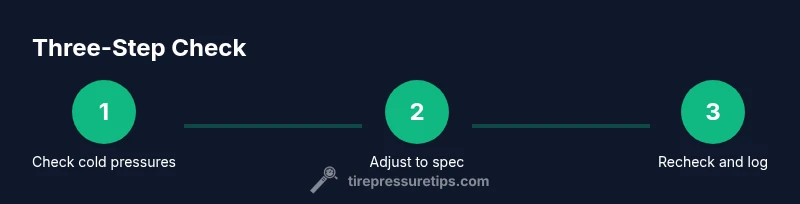
This section provides context for the detailed steps that follow in the dedicated STEP-BY-STEP section. Before you begin, ensure the vehicle is parked on a flat surface away from direct heat sources. Start with a cold tire check, as hot tires can show artificially high readings. Compare each tire’s current reading to the XC60’s recommended cold pressure. If a tire is low, top it up in small increments and recheck, rather than over-inflating. If a tire is high, release air in small increments until you reach the target. Always replace valve caps securely to protect against leaks and debris. Keeping a routine helps you catch slow leaks early and reduces the likelihood of sudden tire problems on the road.
Common Scenarios: Seasonal Changes, Warm-Ups, and Long Trips
Seasonal shifts can influence tire pressure more than any other factor. In cold weather, pressures tend to drop, while in hot weather they can rise due to increased air temperature inside the tire. Long highway trips can heat tires and shift pressures, so always check both before and after extended travel. If you drive with a heavy load or frequent all-weather conditions, you may notice more drift and more frequent adjustments. In all cases, aim to keep each XC60 tire within its specified range and adjust for load. Logging readings across weeks or months helps you detect gradual changes and catch slow leaks before they become dangerous.
Troubleshooting and Safety Warnings
Never ignore a TPMS warning light, as it can indicate a slow leak or sensor fault. Do not exceed the tire’s maximum inflation pressure listed on the sidewall; doing so can increase the risk of blowouts, tire failure, or compromised ride quality. If you notice irregular wear, bulges, cracks, or nails, stop driving and have the tire inspected. When inflating, always use the correct gauge and check for leaks around the valve stem and bead area. If a tire is frequently low, there may be a puncture or a slow leak that requires repair. Safety first: treat tire pressure as a critical safety parameter that influences steering, braking, and overall vehicle stability.
Maintenance Habits and Long-Term Care for Your XC60
Develop a routine to check tire pressure monthly and before any long trip, especially when temperatures shift. Keep a log of your readings and note any recurring deviations. If you rotate or replace tires, re-check the recommended pressures and adjust as needed. Consider using TPMS alerts to guide your checks, but never rely solely on the system—manual gauges provide the most direct, actionable data. Regularly inspect tires for wear patterns and signs of aging, and replace tires when the tread approaches the legal or safe limit. A proactive approach to tire pressure contributes to better fuel economy, longer tire life, and safer driving.
Tools & Materials
- Tire pressure gauge (digital or analog)(Prefer a gauge with a clear, large display and a 0-60 psi range.)
- Owner's manual and door placard(Verify cold inflation pressures and any model-specific notes for XC60.)
- Air compressor or access to a gas station gauge(Needed to adjust pressures to the recommended values.)
- Notebook or digital log(Record readings and dates for trend tracking.)
- Valve caps and spare valve core tool(Keep caps on to prevent leaks and contamination.)
Steps
Estimated time: 15-25 minutes
- 1
Find the XC60’s recommended pressure
Locate the door placard on the driver's side jamb and check the owner’s manual for the official cold inflation values for the front and rear tires. Note any load-specific adjustments and the different specs if you have a spare or different wheel size.
Tip: Always start with cold tires; reading a warm tire will give an inflated reading and mislead adjustments. - 2
Prepare and measure if tires are cold
Park on a flat surface and wait at least 3 hours after driving or use the vehicle in cold weather conditions to ensure accurate readings. Remove the valve cap from each tire to expose the valve stem for measurement.
Tip: Keep a short gauge-by-gauge log as you go to avoid missing a tire. - 3
Measure current pressures with your gauge
Press the gauge onto the valve stem straight and firmly until you hear a brief hiss of air, then read the metric or imperial value. Compare each reading to the XC60’s specified cold pressure.
Tip: If the gauge doesn’t fit, try a different size valve stem adapter or another gauge to ensure accuracy. - 4
Adjust pressure to the recommended value
If a tire is low, add air in small increments and recheck after each addition. If high, release air gradually until you reach the target. Re-check all tires after adjustment to confirm consistency.
Tip: Avoid over-inflating; even a single psi can influence handling on rough roads. - 5
Seal and recheck
Reinstall valve caps securely to protect against dirt and leaks. Re-check each tire’s pressure once more after a few minutes to confirm stability.
Tip: Car wheels and valve caps should be clean to prevent debris from entering the valve stem. - 6
Log your results and plan follow-up
Record the readings, date, tire position, and any notes about load or weather. Plan to re-test monthly or after any noticeable changes in temperature or driving conditions.
Tip: A simple log helps you notice slow leaks or gradual drift over time.
Frequently Asked Questions
What is the recommended tire pressure for an XC60?
The XC60’s official cold inflation pressures are listed on the driver’s door placard and in the owner's manual. Check both front and rear values, as they can differ by load and wheel setup. Always rely on the vehicle’s published numbers rather than generic ranges.
Check the door placard for the exact XC60 cold pressures, and verify with the owner’s manual. Use those values as your target.
Should front and rear pressures be the same on XC60?
Not always. Depending on load and axle design, the front and rear tires may have different recommended pressures. Always follow the placard values for each axle and adjust if you change wheel size or load conditions.
Usually the front and rear pressures differ; follow the placard for each axle.
How do I reset TPMS after inflating?
In most XC60 models, TPMS resets automatically after driving a short distance, or you may use the vehicle’s settings menu to perform a manual reset. Consult the owner’s manual for the exact procedure for your year and trim.
Drive after inflation to allow TPMS to recalibrate, or use your car’s TPMS reset option if available.
What should I do if the TPMS warning stays on after inflation?
If the warning remains after inflation checks, inspect for leaks, punctures, or a faulty TPMS sensor. A persistent warning warrants a diagnostic check at a service center.
If the light stays on after checking, get a diagnostic test to identify leaks or sensor faults.
Can I rely on TPMS instead of a gauge?
TPMS is a safety cue and should be used with a physical gauge for accuracy. Temperature changes and sensor drift can cause discrepancies, so confirm with a gauge.
TPMS helps, but always verify with a manual gauge for accuracy.
How does temperature affect XC60 tire pressure?
Temperature shifts cause pressure changes; colder weather lowers pressure, warmer weather raises it. Regular checks help you maintain target pressures year-round.
Temperature changes can bump tire pressure up or down, so check more often in seasons with big temperature swings.
Watch Video
What to Remember
- Check XC60 tires when cold to get accurate readings.
- Always refer to the placard and owner’s manual for exact pressures.
- Use a reliable gauge and log readings monthly.
- Treat TPMS as a safety cue, not a replacement for manual checks.
- Address leaks or damaged tires promptly for safety and cost savings.