Tire Pressure Guide for Jeep Renegade
Learn how to check, adjust, and maintain the tire pressure on your Jeep Renegade. Step-by-step guidance, TPMS insights, and maintenance tips from Tire Pressure Tips.


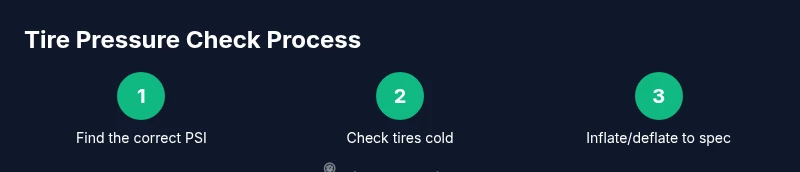
Steps to optimize tire pressure on a Jeep Renegade:1) Locate the cold-psi spec on the door placard or owner’s manual. 2) Use a reliable gauge to measure all tires when cold. 3) Inflate or deflate to the exact spec for front and rear tires, then recheck. 4) Confirm the TPMS light is off and repeat after a drive.
Why tire pressure matters for a Jeep Renegade
Maintaining correct tire pressure is a foundational part of vehicle safety, handling, and efficiency for any SUV, including the Jeep Renegade. Properly inflated tires improve steering response, braking performance, and even tire wear, while underinflation or overinflation can increase rolling resistance and compromise grip in wet or uneven road conditions. According to Tire Pressure Tips, a steady approach to tire pressure supports predictable steering, consistent braking, and longer tire life. The Tire Pressure Tips team found that drivers who regularly check cold tire pressures tend to experience fewer unexpected flats and more predictable fuel economy. As you read through this guide, you’ll see practical steps you can take to keep the Jeep Renegade’s tires in their optimal range, without guesswork or risky compromises. The focus here is practical, vehicle-specific guidance you can apply in real-world driving scenarios, with TPMS awareness woven in for safety and reliability.
When you drive a Jeep Renegade, the tires are part of the vehicle’s performance envelope—handling, off-road capability, and even ride comfort all depend on air pressure being correct. For everyday commuting, family trips, or light off-roading, maintaining the correct psi helps you maintain grip, control, and predictable tire wear. This isn’t about chasing a single number; it’s about following the vehicle’s recommended range and understanding how load, temperature, and driving style affect your tires over time.
How tire pressure relates to the Jeep Renegade’s performance
The Renegade’s tires are designed to meet specific performance targets for grip, steering, and braking. Keeping tire pressure within the manufacturer’s specified range ensures the tire footprint remains optimal for contact with the road. When pressures stray from the recommended range, you may notice subtle changes in steering feel, cornering stability, and braking distance. You’ll also see differences in ride quality and tire wear patterns. While no single number works for every situation, adhering to the placard values on the door jamb or in the owner’s manual gives you a solid baseline.
Understanding vehicle-specific tire pressure targets
Jeep Renegade models vary by trim, wheel size, and axle configuration, which means front and rear tire pressures can differ. Use the vehicle placard or owner’s manual to identify the exact cold-psi targets for your setup. Some driving conditions—like carrying heavy loads, towing, or long highway trips—may necessitate a slightly higher target within the recommended range. Always check pressures when the tires are cold, and avoid inflating after a hot drive, as heat can temporarily elevate the reading and mislead you about true pressure.
How cold vs. hot pressure works and why it matters
Tire pressure rises with temperature as the air inside expands. If you inflate tires when they are hot, the reading may show a higher psi than when cold, leading you to remove air and underinflate when the tires cool. To get an accurate baseline, measure cold tire pressure before driving or after at least three hours of no driving. This discipline is essential for the Jeep Renegade, which often blends on-road and light off-road use where tire pressures may need to adapt to different loads and conditions. Keeping records of your usual cold psi helps you spot anomalies quickly.
Common mistakes and how to avoid them
Many drivers skip checking pressure regularly or rely on the TPMS alone, assuming it will always reflect optimal pressure. TPMS is a great warning system, but it isn’t a substitute for periodic manual checks. Don’t rely on a single tire reading; check all four tires, including the spare when possible. Also avoid inflating to the maximum tire rating marked on the sidewall; this is not the recommended operating pressure. Instead, use the specific targets shown on the door placard for your Jeep Renegade.
The role of TPMS and tire pressure
TPMS alerts you to significant underinflation or overinflation, but it doesn’t tell you the exact target pressure for your current load and driving conditions. A proactive approach combines TPMS monitoring with regular manual checks to ensure your tires stay within the recommended range. For Jeep Renegade owners, this means understanding both the placard values and the impact of load, speed, and ambient temperature on the tire pressure you set.
Temperature effects and seasonal adjustments
Ambient temperature changes can influence tire pressure. In colder months, pressures may drop; in hot weather, pressures may rise. Plan to check the tires at the start of seasonal changes and adjust as needed within the recommended range. This practice helps maintain consistent handling characteristics and reduces uneven tire wear across seasons.
Maintenance cadence and best practices
Make tire pressure checks part of a regular maintenance routine, ideally monthly and before long trips. Pair these checks with a quick visual inspection for cuts, bulges, or embedded objects. Keeping a small notebook or app log of readings helps you notice slow leaks or gradual pressure loss over time, which can prevent unexpected tire failures and optimize fuel economy.
When to seek professional help
If you notice persistent pressure loss, unusual tire wear, or a TPMS warning that won’t clear after inflating, consult a qualified technician. They can inspect the tire for leaks, valve stem issues, or a faulty TPMS sensor. Regular professional inspections complement home checks and extend tire life for your Jeep Renegade.
Tools & Materials
- Digital tire pressure gauge(Choose a gauge with a wide range and a simple dial or digital readout)
- Portable air compressor or in-garage inflator(Prefer units with a built-in gauge for accuracy)
- Vehicle owner’s manual or door placard(Needed to confirm exact cold-psi targets per wheel position)
- Soapy water or leak detector(Helpful for locating slow leaks at valve stems or bead seats)
- Notebook or digital log(Record readings over time to track changes)
Steps
Estimated time: 15-25 minutes
- 1
Find the correct PSI targets
Locate the cold tire pressure targets for your Jeep Renegade on the door placard or in the owner’s manual. Note separate values for front and rear tires if provided. This baseline keeps you within the vehicle’s designed handling and wear characteristics.
Tip: Record the targets in your phone or vehicle notebook for quick reference. - 2
Check tires when cold
Park in shade if possible and wait at least three hours after driving before measuring. Temperature lifts in the tire can skew readings, leading to inaccurate inflation.
Tip: If you must check after a drive, wait until tires cool down before adjusting. - 3
Remove valve caps and attach gauge
Cap removal is quick; place the gauge securely on the valve stem to prevent air leakage. Take a steady reading to avoid slippage that could give a false result.
Tip: Keep caps in a pocket to avoid losing them. - 4
Inflate or deflate to target
Inflate each tire to the target pressure shown on the placard, or deflate if readings exceed the target. Recheck after adjusting to ensure accuracy.
Tip: If you’re adding air, do it in small increments and recheck to avoid overinflation. - 5
Recheck all four tires
Confirm the readings for all tires are within the specified range. Don’t forget the spare if you regularly rotate or use it in emergencies.
Tip: Inconsistent readings across tires may indicate a slow leak or a faulty gauge. - 6
Verify TPMS status
After inflation, drive for a short distance to allow the TPMS to recalibrate. If the TPMS light persists, inspect the valve stems and sensors or consult a technician.
Tip: Some resets require specific procedures; consult your manual for exact steps.
Frequently Asked Questions
What is the recommended tire pressure for a Jeep Renegade?
The Jeep Renegade’s recommended tire pressure varies by model year, trim, and tire size. Check the door placard or owner’s manual for the exact cold-psi targets for your setup. Do not rely on a general number from another vehicle.
Check the placard on your door jamb or the owner’s manual for the exact cold-psi targets for your Renegade; numbers vary by model and tire size.
Can I drive with a TPMS warning light on?
A TPMS warning indicates at least one tire is below or above the ideal pressure. It’s best to stop and check all tires with a gauge, then inflate or deflate to target. If the warning persists, have the system inspected.
If the TPMS light stays on after inflation, stop and inspect; persistent warnings may require a technician.
How often should I check tire pressure?
Check tire pressure monthly and before long trips. Temperature changes and load variations mean readings can shift, so regular checks help maintain safety and fuel efficiency.
Check monthly and before long trips to keep tires within the recommended range.
Does load affect tire pressure on a Jeep Renegade?
Yes, heavier loads or towing can require slightly higher pressures within the recommended range. Always defer to the placard for target pressures under different load conditions.
Heavier loads can change the ideal pressure; adjust to the placard targets for your load.
What should I do if I can’t find the exact PSI for my tires?
If the exact PSI isn’t listed, use the closest values on the placard and seek professional guidance. Do not guess or exceed the maximum rating printed on the tire.
If you can’t find the exact PSI, use the closest placard value and consult a professional if unsure.
How do TPMS sensors influence tire pressure readings?
TPMS monitors air pressure and alerts you to changes, but it doesn’t specify the exact target pressure. Use manual readings to confirm targets and verify TPMS status after inflating.
TPMS warns you about pressure changes, but you should rely on manual readings for the exact targets.
Watch Video
What to Remember
- Check cold psi using the placard targets.
- Balance front and rear pressures as specified for your Renegade.
- Use TPMS as a supplementary indicator, not a replacement for manual checks.
- Regular checks extend tire life and improve safety.