Tire Pressure for SUV: Practical Guide
Master tire pressure for SUVs with our step-by-step, safety-focused guide. Learn how to read door-sticker specs, use TPMS, and adjust for load and temperature to protect tire life and fuel efficiency.


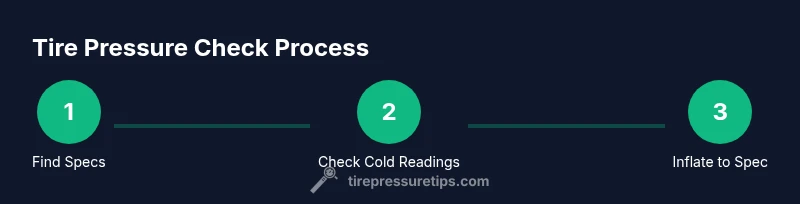
By SUV tire pressure guidance, you’ll check the manufacturer’s spec, read cold readings, and use TPMS as a safety check. This guide shows you how to locate the exact pressures, adjust for load and temperature, and maintain optimal tire health for safety and efficiency. It covers SUVs, crossovers, and light trucks. You’ll also learn when to service tires and how to avoid common errors.
Understanding SUV Tire Pressure Essentials
SUV tire pressure is a cornerstone of safe handling, braking, and fuel economy. When pressures are too low, tires flex more, heat up faster, and wear unevenly; when too high, they reduce traction and ride harshness. The Tire Pressure Tips team emphasizes that proper pressures optimize grip during cornering, extend tire life, and help keep your vehicle within the designed load limits. For SUVs, variance in weight distribution, rooftop cargo, and towing can shift optimal pressures between axles. Start with the vehicle manufacturer’s spec and adapt only after verifying with a gauge on a cold tire. Regular checks, especially after seasonal changes or heavy loads, protect both safety and performance.
Finding Your SUV's Official Tire Pressure Recommendation
Every SUV has a specific cold tire pressure range listed by the manufacturer. This is usually found on the door jamb sticker and in the owner’s manual. Do not rely on a generic number; load, trim, and tire type all affect the recommended pressure. Record the front and rear values if they differ. When tires are cold, readings reflect the baseline pressure before driving heat has built up. If the sticker shows different values for front and rear, adjust each tire to its respective specification. This targeted approach helps maintain even tire wear and predictable handling. According to Tire Pressure Tips analysis, sticking to the official spec generally yields the best balance of grip, comfort, and fuel efficiency.
Cold vs. Hot Readings: What to Look For
Tire pressure readings should be taken when tires are cold. Hot readings after a drive reflect heat-induced expansion and appear higher than the recommended cold value. The difference can be several PSI, which is not a real change in the tire’s capacity. Always let tires cool for at least three hours after driving before checking pressure for a baseline. If you must check after driving, plan to inflate or deflate to the cold spec when the tires have cooled down again. This discipline prevents underinflation from heat or overinflation after a long trip. TPMS can help by signaling underinflation, but it is not a substitute for a manual check.
TPMS: How It Works and When It Helps
Tire Pressure Monitoring Systems (TPMS) monitor relative air pressure in each tire and alert you if a reading falls outside a preset range. Direct TPMS uses sensors in the valve stem, while indirect TPMS estimates pressure through wheel speed sensors and loss of performance indicators. TPMS is most helpful as a quick warning tool, but it does not replace periodic, accurate manual checks with a gauge. If TPMS triggers while your gauge shows normal pressure, recheck the tires when cold and consult the vehicle manual for calibration steps. Regular TPMS maintenance reduces nuisance alerts and improves reliability.
How to Check Tire Pressure Correctly
Begin with the vehicle cold and parked on a level surface. Remove the valve caps from all tires, including the spare. Attach a high-quality gauge to each valve stem and read the pressure. Note the readings, then replace the caps. If any tire reads below the door-sticker spec, plan to adjust promptly using an air compressor or inflator. Re-check after inflating to confirm your numbers match the recommended cold pressures. Finally, record the results to monitor trends over time. This process helps identify slow leaks and changes due to temperature or load.
How to Adjust and Maintain Pressure for Everyday Driving
Inflating to the correct pressure is a balancing act between comfort, safety, and tire life. Use a reliable air source and adjust in small increments, checking after each adjustment. If a tire is overinflated, carefully release air until it matches the spec. If underinflated, add air in small steps and recheck. After inflating, reinstall the valve caps securely to prevent dirt ingress. Regular checks become quicker and more accurate with a fixed routine and a single gauge you trust for all tires.
Load, Towing, and Pressures: What Changes
As you add weight—whether passengers, cargo, or towing—the optimal tire pressure can shift. Heavier loads can cause underinflation if you don’t adjust. Always refer to the owner’s manual or the sticker for load-specific recommendations and apply the appropriate pressure to all tires, including the spare. If you tow a trailer, consult the manual because trailing loads may require a different tire pressure setting to maintain stability, braking performance, and tire longevity.
Temperature, Seasons, and SUV Tires
Temperature affects air density, which in turn affects tire pressure. Colder months typically lower tire pressure, while hotter months can raise it. Plan checks after significant weather changes or before long road trips in winter and summer. Maintaining the recommended cold pressure throughout the year keeps tire wear even and ensures consistent handling, grip, and fuel economy. The Tire Pressure Tips team recommends establishing a seasonal check routine and documenting readings to detect slow leaks or changes over time.
Common Mistakes That Cost You Safety and Fuel
Avoid relying on “feel” or ride quality to judge pressure. The wrong pressure can impair steering, brake response, and steering effort. Never mix up the front and rear specs if they differ, and never ignore TPMS alerts. Using the wrong gauge or inflator can yield inaccurate results. Finally, don’t forget the spare: many drivers neglect this tire until they need it. Regular checks across all five wheels help prevent unexpected flats and improve mileage.
Tools and Accessories for Tire Pressure Management
A reliable tire pressure gauge, whether digital or analog, is essential. An inflator or air compressor makes on-site adjustments quick and accurate. A notebook or digital log helps you track readings over time. Keep valve caps clean and accessible, and have spare caps in your glovebox. For SUVs with heavy loads, consider a portable inflator with a built-in gauge for quick checks during trips.
When to Seek Professional Help
If you notice persistent underinflation, frequent TPMS warnings, or any tire bulges or punctures, seek professional service. Slow leaks, damaged rims, or valve stems can cause unsafe pressure changes. A tire technician can inspect for bead leaks, tire damage, or incorrect TPMS calibration. Ongoing issues may indicate the need for replacement tires or a TPMS sensor service.
SUVs: Practical Scenarios and Quick Checks
Crossovers and SUVs vary by model, trim, and weight. For city driving with moderate loads, your standard door-sticker pressure should suffice. When carrying heavy cargo or camping gear, reassess the pressure per manufacturer guidance and ensure even inflation across all tires. If you regularly tow or carry heavy payloads, add routine checks into your trip planning so you’re never surprised by a tire issue on the road.
Tools & Materials
- Tire pressure gauge (digital or analog)(Choose a gauge with a reinforced stem and clear scale; calibrate periodically)
- Air compressor or inflator(Prefer a unit with a built-in gauge and automatic shutoff)
- Owner's manual and door jamb sticker(Primary sources for official pressures by tire position)
- Notepad or digital log(Record readings and changes over time)
- Valve cap wrench or clean rag(Keep valve stems clean and caps snug)
- Spare valve caps(Keep extras in your glovebox)
Steps
Estimated time: 15-25 minutes
- 1
Find the correct tire pressure spec
Locate front and rear cold tire pressures from the door jamb sticker or the owner's manual. Note any differences between axles. Why: Aligning to the exact spec ensures balanced handling and even wear.
Tip: If front and rear specs differ, treat each tire position individually. - 2
Prepare the vehicle and tools
Park on a level surface, ensure the vehicle is off, and gather gauge, inflator, and log. Why: A stable setup reduces measurement error and makes the process consistent.
Tip: Have the gauge ready before removing valve caps to speed up the check. - 3
Check tires when cold
Allow tires to cool for at least three hours after driving, so readings reflect the cold spec. Why: Driving heat skews the readings and leads to incorrect inflation.
Tip: If you can’t wait, check after your vehicle has been idle for a while and use the cold spec as the target. - 4
Remove valve caps and attach gauge
Carefully remove each valve cap and place the gauge on the valve stem. Read the pressure, then replace the cap. Why: A secure seal prevents air loss during measurement.
Tip: If you hear hissing, reseat the gauge and recheck; leaks can skew results. - 5
Read and compare to spec
Record the number and compare to the door-sticker spec for that tire position. If low, plan to inflate; if high, deflate in small increments. Why: This keeps wear even and maintains handling.
Tip: Keep track of all four tires to spot uneven changes quickly. - 6
Inflate or deflate to the spec
Add air in small increments or let air out until the reading matches the spec. Why: Overinflation compounds wear and reduces grip; underinflation harms heat dissipation.
Tip: Avoid inflating beyond the tire’s maximum pressure printed on the sidewall. - 7
Recheck after adjustment
Re-measure after inflation to confirm you’ve hit the target. Why: Gauges can drift and minor adjustments are common after the first reading.
Tip: Repeat for all tires, including the spare if used regularly. - 8
Check the spare tire
Don’t forget the spare; it often sits unused and can lose pressure. Why: A flat spare is useless in an emergency.
Tip: If your spare uses a different air source, verify its pressure as well. - 9
Document the readings
Log the date, tires, and pressures in a notebook or app. Why: Tracking helps you notice slow leaks and seasonal shifts.
Tip: Create a default reminder to recheck every 4–6 weeks. - 10
Reset or verify TPMS status
If you’ve inflated or changed tires, confirm TPMS status and consult the manual for reset procedures if needed. Why: TPMS relies on sensors and calibration; improper resets can mislead.
Tip: Some vehicles require diagnostic tools for TPMS resets; avoid guessing. - 11
Plan regular maintenance
Incorporate tire pressure checks into your routine maintenance calendar. Why: Consistent inspection detects slow leaks and tire damage early.
Tip: Set calendar alerts for seasonal checks and pre-trip inspections. - 12
Reassess ahead of seasonal changes
Before winter or summer shifts, re-evaluate pressures to adapt to temperature changes and load. Why: Temperature and load vary with seasons and travel plans.
Tip: Keep a dedicated note of seasonal adjustments for quick reference.
Frequently Asked Questions
What is the best way to check tire pressure on an SUV?
Check all four tires and the spare when they are cold, compare against the door-sticker specs, and use a reliable gauge. Recheck after inflating to the specified pressures. This ensures safe handling and even wear.
Check all tires when cold, compare to the sticker, and recheck after inflating. This keeps your SUV handling safe and tires wearing evenly.
Why might TPMS show low pressure even if the gauge says normal?
TPMS measures relative pressure and wheel conditions; a sensor may require recalibration or replacement. Always verify with a manual gauge and cold readings.
TPMS uses sensors and can drift; always confirm with a manual gauge when in doubt.
Should I check tire pressure cold or after driving?
Check tires when they are cold for an accurate baseline. If you must check after driving, account for the heat and adjust readings once they cool.
Check when cold for accuracy; if you check after driving, recheck later when the tires have cooled.
How often should I check tire pressure?
Check at least monthly and before long trips. Temperature changes and load variations make regular checks important for safety and fuel efficiency.
Check at least once a month and before long trips.
Can driving with slightly low or high pressure be safe?
Slight deviations are common, but sustained underinflation or overinflation increases wear, reduces fuel economy, and can affect handling. Always aim for the spec.
Sustained improper pressure can be unsafe; aim for the manufacturer’s spec every time.
How do I reset TPMS after inflating or changing tires?
Reset procedures vary by model. Check the owner’s manual or consult a professional if you’re unsure; improper resets can keep warnings active or misreport pressure.
TPMS resets differ by vehicle; follow the manual or have a pro handle it if unsure.
Watch Video
What to Remember
- Check cold readings against the vehicle sticker.
- Use TPMS as a safety cue, not a sole guide.
- Inflate all tires evenly, including the spare.
- Document readings to track changes.
- Plan checks with seasonal temperature shifts.