Kia Soul Tire Pressure: Your Practical Maintenance Guide
Learn how to check, interpret, and maintain Kia Soul tire pressure for safety, fuel efficiency, and longer tire life. Practical steps, TPMS insights, and seasonal tips from Tire Pressure Tips.


Learn how to check, interpret, and adjust the Kia Soul tire pressure for safety, fuel efficiency, and even tire wear. This guide covers finding the correct cold-pressure spec, understanding TPMS alerts, common causes of pressure changes, and a practical, step-by-step workflow you can follow at home or on the road.
Why Kia Soul Tire Pressure Matters
Maintaining the correct tire pressure for your Kia Soul is essential for safety, handling, and efficiency. Proper pressure helps the tires grip the road predictably, improves braking response, and reduces uneven wear that can shorten tire life. When you keep tires inflated to the manufacturer’s spec, you also support more consistent fuel economy and ride comfort. According to Tire Pressure Tips, staying within the recommended range for your Kia Soul makes everyday driving safer and more predictable, particularly in urban traffic or on uneven roads. The Tire Pressure Tips team highlights that the Kia Soul’s tire pressure is not a guess—it’s a critical maintenance parameter that affects steering feel, stopping distance, and even tire longevity over time.
Remember that tire pressure is not a fixed value for every driver or season. It depends on load, tire size, and ambient conditions. A tire that starts the day at 34 psi may drop several psi when temperatures fall overnight, or rise with long highway drives. Therefore, checking pressure when tires are cold and comparing against the official specification is the right habit for Kia Soul owners.
Pricing, performance, and tire-wear outcomes all hinge on accurate pressure. The guidance in this article applies to most Kia Soul trims and wheel sizes, but always verify the door jamb placard and the owner’s manual for your exact configuration.
Understanding the Numbers: PSI, TPMS, and Cold vs Hot
Tire pressure is communicated in pounds per square inch (psi). The recommended cold-psi is printed on the driver’s door jamb placard and in the owner’s manual. Because tires heat up during driving, the air inside expands and the pressure rises; this is why you always measure when the tires are cold for a valid comparison. If you inflate tires while hot, you will overestimate the correct pressure and risk overinflation once the tires cool.
TPMS (tire pressure monitoring system) is designed to alert you when a tire’s pressure falls several psi below the recommended level. Some systems alert to absolute low pressure, while others warn when a tire’s pressure is notably lower than the others, even if still above the minimum threshold. When you see a TPMS warning, the first step is to check all tires with a gauge and inflate to the manufacturer’s spec if needed. The Tire Pressure Tips analysis notes that many drivers ignore TPMS alerts, which can lead to accelerated wear, reduced fuel efficiency, and unsafe handling.
There is a subtle but important distinction between “target” pressure and “operating” pressure. The target is the cold-psi listed on the placard; the operating pressure will vary with driving conditions, load, and season. For a Kia Soul, you’ll typically be aiming for similar front and rear pressures, unless the placard specifies a difference due to tire size or load distribution. Always use a quality gauge and recheck after inflation to ensure accuracy.
How to Find Your Kia Soul's Recommended Tire Pressure
Locating the correct tire pressure for your Kia Soul starts with the door jamb placard. This sticker lists the cold-psi for both front and rear tires, and may differ by wheel size or trim. If your Soul has optional larger wheels, the placard may show a different value than the base model. Additionally, the owner’s manual provides a second reference point with guidance on load conditions, seasonal adjustments, and tire type. Tire Pressure Tips recommends favoring the placard over generic numbers obtained from the internet, since model-years and trims vary.
If you’re unsure which tires are original, check the tire sidewall for the tire size and speed rating. When you know the exact tire size, you can verify that you’re inflating to the correct target, since some tire models have slightly different load and speed characteristics that influence recommended pressure. Finally, if you see conflicting information, contact a dealer or refer to official Kia resources to confirm the correct specification for your vehicle.
Tools and Techniques: Tools You Need to Check Tire Pressure
To accurately measure and adjust tire pressure, you’ll want a few basic tools: a reliable tire pressure gauge (dial or digital), access to an air pump (a home compressor or a public air station), and the vehicle’s owner’s manual or placard for reference. A notebook or mobile app to log readings over time can help you spot trends, particularly with seasonal changes. The Tire Pressure Tips approach emphasizes consistent use of the same gauge to avoid discrepancies between devices.
Before you begin, make sure you’re in a safe, shaded area or on a level surface. Park with the engine off, and wait a few minutes for the tires to cool if they’ve been driven recently. If you’re replacing tires or changing wheel sizes, recheck the spec printed on the placard after installation. A quick test run can reveal whether inflation affects handling, but you should re-check afterward to confirm you’ve hit the target.
Step-By-Step: How to Check and Adjust Kia Soul Tire Pressure (High-Level Overview)
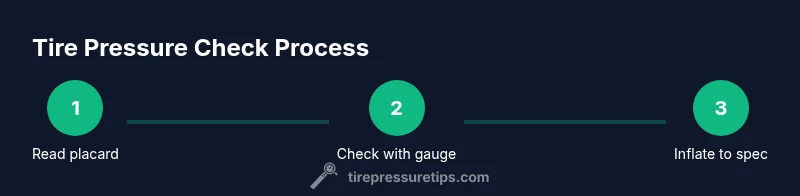
The following overview maps to the step-by-step section below. It highlights the key actions, but for the full, detailed sequence, see the dedicated STEP-BY-STEP block. In short:
- Find the target cold-psi on the placard for your Kia Soul.
- Park on a level surface, with the vehicle off and tires cold.
- Remove the valve cap from the tire you’re testing.
- Use a reliable gauge to measure the current pressure.
- Inflate or deflate to reach the target psi, then recheck.
- Replace the valve cap and record the result.
- If TPMS shows a warning, or if you’re between checks, re-measure after long drives and adjust if necessary.
- Repeat for all tires and consider a seasonal check cadence.
Common Causes of Pressure Fluctuation and How to Address Them
Tire pressure changes can happen for a variety of reasons. Ambient temperature shifts are common culprits; the air inside tires expands on hot days and contracts on cold nights, causing reading swings. Driving long distances also increases tire temperature, pushing the psi higher temporarily. Punctures, slow leaks in wheels or valves, or a damaged TPMS sensor can lead to incorrect readings or warning lights. For Kia Soul owners, the most practical approach is proactive: check tires monthly, before long trips, and after temperature swings, then top off to the placard value.
If you notice a consistent drop in pressure across multiple tires, inspect for visible damage and consider an air leak test or professional assessment. If you have a high-mileage vehicle or if tires have nicks and cuts, trims, or unusual wear, contact a technician for a safe assessment. Remember, a small leak can become a big issue over time, so address any persistent loss promptly.
Weather, Seasons, and Tire Pressure: What Drivers Should Know
Weather has a measurable impact on tire pressure. Colder weather typically lowers tire pressure, while heat raises it. In winter, the air inside tires contracts and often requires additional checks to maintain the recommended cold pressure after cold starts. Summer heat can push psi higher, so you may need to bleed off a little air to stay within the target range. For Kia Soul owners, this means establishing a seasonal check cadence and keeping your tires inflated to the placard value throughout the year to preserve handling and wear patterns.
To minimize fluctuations, avoid leaving your car in direct sun for extended periods and store spare tires in a cool, shaded area when possible. If you drive in high-altitude areas where temperatures swing wildly, check pressures more frequently to ensure consistent performance. The Tire Pressure Tips analysis underscores that a proactive, season-aware approach reduces the risk of underinflation or overinflation during rapid weather changes.
TPMS: Alerts, Shortages, and What to Do When It Illuminates
TPMS alerts should not be ignored. A warning light may indicate a tire is underinflated, but it can also signal sensor issues or system delays. If the light comes on, park safely and inspect all tires with a gauge. Inflate to the placard value if any tire reads low. If the light remains on after inflation, drive a short distance (35-50 miles) and recheck; TPMS calibrations sometimes require a short drive to reset. If the warning persists, have the TPMS system inspected by a technician—the sensor itself or the valve stem may be damaged or leaking.
The Kia Soul’s TPMS can vary by model year and trim, so always consult the owner’s manual for guidance on reset procedures or dealer-assisted calibration. In general, a stable TPMS warning after inflation should prompt diagnostic checks rather than repeated inflation attempts. Tire Pressure Tips recommends keeping a portable gauge in your vehicle to verify readings as soon as the warning appears.
Practical Maintenance Routine: Monthly Checks and Long-Trip Prep
A simple monthly habit can prevent most tire-pressure problems. Start by checking all four tires when they’re cold, ideally in the morning or after the vehicle has been parked for several hours. Compare readings to the placard and correct any underinflation or overinflation. Before a long trip, add a quick pre-flight check to ensure you’re at the recommended psi for your Kia Soul. If you expect heavy loads—such as cabin luggage, family gear, or a roof rack—verify the target pressure is appropriate for the load. Remember that higher loads may require different pressures on some models.
Keep your tires in good shape by inspecting for cracks, bulges, or obvious wear. If your tire tread depth is below safe limits or you notice irregular wear, replace tires as needed and re-check the load rating on the placard. A proactive maintenance routine makes each journey safer and can help you avoid unexpected tire problems on the road.
Common Mistakes to Avoid and Quick Fixes
Common tire-pressure mistakes include inflating to the wrong target due to outdated placards, neglecting the need to check when tires are cold, and relying on the dashboard light alone. Another frequent error is using the same pressure for front and rear tires when the placard specifies a different value. If your tires have pressure sensors, don’t assume the readings are perfect; verify with a physical gauge. Also avoid deflating during hot weather to “even out” readings, as this can create underinflation when tires cool.
If you suspect a slow leak or suspect TPMS issues, don’t delay. A professional can conduct a leak test and recalibrate sensors as needed, ensuring accurate warnings and safe tire performance. Using a consistent gauge and recording readings helps you track changes over time and catch issues early.
Final Practical Takeaways for Kia Soul Owners
- Always inflate to the cold-psi listed on the placard for your Kia Soul.
- Check tires when cold, and re-check after long drives to confirm stable pressure.
- Use a reliable gauge and log readings to detect gradual leaks.
- Address TPMS alerts promptly with a gauge check and professional inspection if needed.
- Seasonal changes require a proactive check cadence to avoid underinflation or overinflation.
Tools & Materials
- Tire pressure gauge (digital or dial)(Ensure accuracy; test the gauge against a known reference if possible.)
- Air compressor or public air pump(Needed to adjust pressure to the target psi.)
- Owner’s manual or placard reference(For exact cold-psi values by model and trim.)
- Notebook or digital log(Track readings and changes over time.)
Steps
Estimated time: 10-20 minutes
- 1
Locate the recommended cold-psi
Find the exact front and rear tire pressures on the Kia Soul placard in the driver's door jamb or in the owner's manual. This is your target and can vary by wheel size or trim.
Tip: Always trust the placard as the primary source. - 2
Park on a level surface with the tires cold
Shut off the engine and let the car sit undisturbed for several hours if possible. This ensures the tires aren’t warmed by driving, which would skew readings.
Tip: Check in the morning or after the car has been parked overnight. - 3
Remove valve caps and prepare the gauge
Take off the valve caps from each tire to access the valve stem. Have your gauge ready and verify it’s set to psi units.
Tip: Keep caps in a safe place to avoid losing them. - 4
Measure each tire’s pressure
Press the gauge onto the valve and note the reading. Compare to the placard’s target for that tire (front vs rear if specified).
Tip: If readings are inconsistent, test again on the same tire with a different gauge to verify. - 5
Inflate or deflate to target pressure
If a tire is below target, add air gradually until the gauge matches the target. If above, carefully release air until it matches.
Tip: Check after adjusting and re-seat the valve cap. - 6
Re-check all tires
Re-measure all four tires to confirm each one is within range. If TPMS is blinking, perform a quick drive and re-check to see if it stabilizes.
Tip: Single outlying tire may indicate a slow leak. - 7
Reinstall valve caps and document
Screw the caps back on securely and log the final readings or photograph the gauge for your records.
Tip: Caps help keep dirt out of the valve stem and prevent leaks. - 8
Monitor and adjust as conditions change
Seasonal shifts or heavy loads may require revisiting pressures. Check again after long trips or temperature swings.
Tip: Make it a monthly habit for optimal safety.
Frequently Asked Questions
What is the recommended tire pressure for a Kia Soul?
The recommended pressure is listed on the driver-side door placard and in the owner’s manual. It can vary by wheel size and trim. Always start with the placard value for cold tires, then verify with a gauge.
Check the door placard for the exact cold-pressure value; it can vary by trim and wheel size, so use the manual if needed.
How do I check tire pressure when the tires are cold?
Park on a level surface, turn off the engine, and allow the tires to cool. Remove the valve cap, press the gauge onto the valve stem, and read the psi. Inflate or deflate to the placard value if needed.
Park on level ground, let the tires cool, then measure with a gauge and adjust to the placard value.
What if the TPMS light stays on after inflating?
If the light remains after inflating to the target pressure, drive a short distance (about 10-15 minutes) to allow the system to reset. If it doesn’t go away, check for leaks or consult a technician for TPMS calibration.
Drive a short distance to let TPMS recalculate; seek professional help if it stays on.
Can I drive on underinflated tires safely?
It’s not recommended. Underinflated tires can compromise handling, increase wear, and raise the risk of a blowout. Inflating to the correct pressure improves safety and efficiency.
No—underinflated tires are unsafe; inflate to the correct pressure for safer handling.
How often should I check tire pressure?
Check at least once a month and before long trips. Temperature changes and load can affect pressure, so regular checks help prevent wear and improve fuel economy.
Monthly checks and before long trips keep you safe and efficient.
What tools do I need to check tire pressure?
A reliable tire pressure gauge and access to an air pump are the essentials; the placard or manual provides the target pressures. Optional: a log to track readings.
A good gauge and an air pump are all you need to start.
Watch Video
What to Remember
- Check Kia Soul tire pressure when cold using the placard value
- Use a reliable gauge and recheck after adjustment
- Address TPMS alerts promptly with a manual pressure check
- Monitor seasonal changes and adjust routine checks
- Maintain a monthly pressure-check habit for safety and efficiency