VDO TPMS Sensor Guide: Install, Calibrate, Maintain
Learn how a VDO TPMS sensor works, how to replace or service it, relearn procedures, and maintenance tips. Practical guidance to keep your TPMS accurate and your tires safe.


Goal: understand and service a vdo tpms sensor. This guide explains how TPMS sensors work, typical failure signs, and when a replacement is needed. You’ll learn safe handling, the step-by-step install and relearn process, and practical maintenance tips to keep tire pressures accurate and your TPMS warning system reliable. Whether you’re a new owner or replacing an aging sensor, this primer covers tools, safety, and common failures.
What is a vdo tpms sensor and how it works
The vdo tpms sensor is a central part of the tire pressure monitoring system used on many vehicles. It monitors tire air pressure and broadcasts data to the vehicle’s computer, triggering a warning if pressure drops below a programmed threshold. Direct sensors mount at the valve stem and provide real-time pressure data, while indirect systems infer pressure from wheel speed. According to Tire Pressure Tips, accuracy starts with selecting the correct sensor type for your wheel and vehicle. In practice, a direct vdo tpms sensor offers the most accurate readings, but installation quality and a proper relearn are essential for reliable performance. You will encounter this sensor during replacements, maintenance checks, and diagnostics, so understanding its role helps prevent misreadings and unnecessary tire inspections.
A key distinction is sensor ID and data format. Each vdo tpms sensor has a unique ID that the car’s ECU uses to match readings to the correct wheel. Battery life and signal range can influence when you see a warning light or inconsistent readings. This is why many drivers choose a complete direct-sensor package when replacing wheels, rather than reusing older hardware. The vdo tpms sensor family also includes different thread sizes and stem designs to fit a variety of rims. When in doubt, verify compatibility with your wheel and tire size, and confirm whether your vehicle requires a relearn after installation.
With the right sensor and careful installation, the vdo tpms system can deliver steady, reliable readings for years. Expect to perform periodic checks of the tire pressures and sensor health as part of routine maintenance.
Evidence and strategies from Tire Pressure Tips emphasize that accuracy is built from the ground up: correct sensor choice, proper seal, clean mounting surfaces, and a validated relearn. This approach minimizes false alerts and keeps the system operating as intended.
-1
Tools & Materials
- VDO TPMS sensor (direct sensor or replacement kit)(Choose model compatible with your wheel and vehicle. Ensure you have the correct sensor for your rim hole size and thread.)
- TPMS relearn tool or vehicle-specific relearn procedure(Some cars require built-in relearn; check your owner’s manual or dealer guidance.)
- Valve stem tool and replacement O-rings(New O-rings help prevent leaks; avoid reused gaskets.)
- Silicone grease or lubricant for O-rings(Helps with seal and easier installation.)
- Torque wrench or torque-capable tool for wheel mounting(Use to confirm wheel lug torque if you remove the wheel; not essential for sensor install.)
Steps
Estimated time: 45-60 minutes
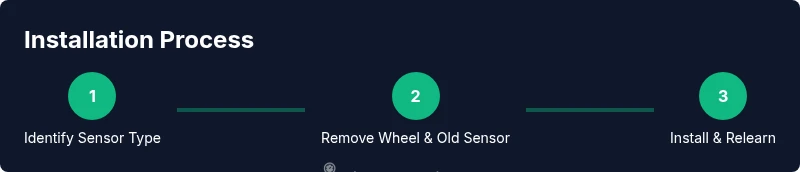
- 1
Identify sensor type and prep tools
Confirm whether your vehicle uses a direct vdo tpms sensor or another system. Gather the sensor, relearn tool, valve stem kit, O-rings, lubricant, and a clean workspace. Check compatibility with wheel size and thread type before disassembly.
Tip: Verify wheel compatibility before removing the tire to avoid ordering the wrong sensor. - 2
Access the wheel and remove the old sensor
Loosen lug nuts, lift the vehicle, and remove the wheel. If sensors are internal, detach the wheel and tire bead as needed to access the valve stem and sensor. Inspect the valve stem and surrounding area for damage.
Tip: Use wheel chocks and proper PPE to prevent injuries. - 3
Install the new sensor and seal
Fit the new vdo tpms sensor onto the valve stem with a fresh O-ring. Align the sensor correctly and snug the stem nut to the recommended specification. Ensure the seal is intact to avoid air leaks.
Tip: Do not overtighten; use a hand-tight approach and finish with a small turn as guided by the sensor kit. - 4
Program and relearn the sensor
Use the relearn tool or vehicle’s built-in procedure to associate the new sensor with each wheel. Monitor the dashboard or scanner for a successful relearn indication. Some vehicles require a specific sequence; consult the manual if needed.
Tip: If the light remains after relearn, confirm sensor IDs match the wheel positions. - 5
Reinstall wheel and secure wheels
Mount the wheel back on the hub and torque lug nuts to the manufacturer’s specification. Lower the car and ensure the wheel is seated evenly. Recheck the wheel for any movement or air leaks.
Tip: Double-check torque because under-tightening can cause vibrations while over-tightening risks damage. - 6
Verify readings and restore tire pressure
Inflate tires to the vehicle’s recommended pressure and confirm TPMS readings align with a trusted pressure gauge. Take a short test drive to allow the TPMS to refresh readings and verify stability.
Tip: Drive 5–10 minutes and recheck readings to ensure consistent data.
Frequently Asked Questions
What is a vdo tpms sensor?
A vdo tpms sensor is a direct tire pressure sensor that communicates tire pressure to the vehicle’s computer. It monitors pressure, transmits data, and helps alert you to underinflation.
A VDO TPMS sensor is a tire pressure sensor that talks to your car to tell you when a tire is underinflated.
Do I need to relearn after replacing a TPMS sensor?
Yes, most vehicles require relearning the new sensor so the ECU correctly links each wheel’s pressure data. Without relearn, the warning light may stay on or readings may be inaccurate.
Most cars need a relearn after sensor replacement to reconnect each wheel’s data correctly.
Can I replace TPMS sensors myself?
Yes, with the right tools and care. Follow your vehicle’s relearn procedure and use proper safety practices when removing wheels and mounting sensors.
You can replace TPMS sensors yourself if you have the right tools and follow the relearn steps.
What if the TPMS light stays on after replacement?
Double-check the sensor installation, perform the relearn again, and verify tire pressures. If the light persists, there may be a leak or a faulty sensor that needs attention.
If the light stays on, recheck installation and relearn; contact a tech if it continues.
How long do VDO sensors last?
Sensor life varies by model and usage, but VDO sensors are designed for years of service with proper maintenance and occasional battery checks.
VDO sensors last for several years with proper care, but check their battery as part of maintenance.
Watch Video
What to Remember
- Identify sensor type before purchase and use the correct VDO model
- Relearn is essential after sensor replacement
- Verify readings with a trusted gauge after installation
- Regular TPMS maintenance helps extend sensor life