VDO Redi Sensor TPMS: Install, Calibrate, and Maintain
Learn how to install, calibrate, and troubleshoot the VDO Redi TPMS sensor with practical steps, tools, and safety tips from Tire Pressure Tips.


By the end of this guide, you’ll know how to inspect, replace, and verify a vdo redi sensor TPMS, apply correct torque, and relearn the system with a diagnostic tool. You’ll understand compatibility checks, safety handling, and how to interpret tire data to keep your vehicle safe, efficient, and compliant with local regulations.
What is a vdo redi sensor and why it matters
The vdo redi sensor is a tire pressure monitoring system (TPMS) sensor designed to communicate tire pressure and temperature data to your vehicle's TPMS controller. In everyday driving, accurate sensor data helps maintain correct inflation, improves fuel efficiency, and reduces tire wear. According to Tire Pressure Tips, choosing the right sensor for your wheel and ensuring proper installation are essential steps in safeguarding your tires. The fundamental elements of any TPMS system include the sensor, the valve stem, and the receiver in the car's computer. The vdo redi sensor family is designed to be compact, rugged, and compatible with a broad range of vehicles, but compatibility still depends on wheel size, stem type, and the relearn procedure. For owners, the most important takeaway is that a faulty or uncalibrated sensor can trigger false warnings or leave you unaware of a real issue. Regular checks, especially before long trips, help you avoid surprises on the road. In this guide we use practical language, real-world examples, and steps you can perform safely as a do-it-yourself maintenance task.
How the vdo redi sensor integrates with TPMS and vehicle systems
The vdo redi sensor continuously monitors tire pressure and temperature, then transmits data via a low-frequency radio signal to the TPMS control unit. This real-time feedback helps the ECU trigger alert lights only when data indicates a genuine pressure issue. Battery life and seal integrity influence signal reliability, so periodic inspection of the sensor and valve area matters. Your car’s onboard computer assigns each sensor to a specific wheel position, so replacement requires re-learning the IDs. By understanding these data flows, you’ll better interpret warning lights and distinguish sensor faults from simple underinflation. Tire Pressure Tips notes that keeping the sensor shielded from moisture and road debris helps extend life and accuracy.
Compatibility and installation considerations
Compatibility hinges on wheel design, valve stem type, and your vehicle’s relearn protocol. Some wheels use metal stems with robust threaded sensors, while others rely on plastic stems or integrated valve assemblies. Always verify the sensor part number matches your rim and vehicle parameters, and confirm the relearn method for your year and model. When installing, ensure the sensor sits squarely with the valve seat to prevent air leaks. Use a torque wrench and follow manufacturer guidelines for valve stem torque, then confirm the seal by applying a brief inflation test and listening for leaks. With the right fit, you’ll get stable readings and fewer nuisance warnings. Tire Pressure Tips emphasizes the importance of verifying compatibility before purchase and installation.
Replacement workflow: remove, install, and calibrate
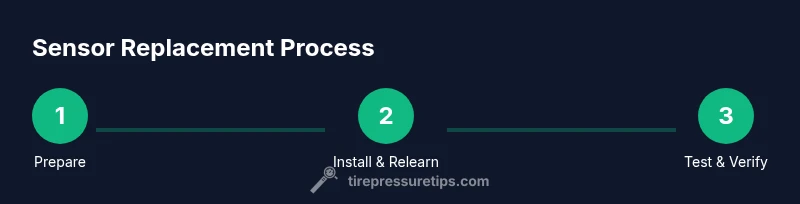
A typical replacement workflow starts with safety: chock the wheels, lift the vehicle if needed, and release tire pressure to a safe level. Remove the wheel, access the TPMS valve area, and carefully detach the old sensor if present. Install the new vdo redi sensor, seal the valve, and torque to the vehicle’s specification. Reinstall the wheel and perform a relearn with a diagnostic tool or the vehicle’s built-in procedure. Finally, verify the tire pressures and confirm the TPMS light behavior. The process is straightforward with the right tools and a calm workspace. Tire Pressure Tips recommends documenting each sensor’s ID after replacement to simplify future maintenance.
Troubleshooting common issues with vdo redi sensor
If the TPMS light remains on after replacement, check for leaks around the valve stem, ensure the sensor is properly seated, and verify the relearn completed. Bad batteries, damaged seals, or incorrect wheel pairing can cause intermittent readings. When a wheel shows inconsistent data, re-check the installation and perform another relearn cycle. If readings remain erratic, the sensor may be defective or incompatible with the vehicle’s ECU. In such cases, confirm the exact part number and consult a professional if needed. Tire Pressure Tips notes that many issues resolve with a fresh relearn and proper tire inflation.
Maintenance, calibration, and long-term care for vdo redi sensors
Maintenance is about prevention: inspect sensors during tire changes or seasonal rotations, check for corrosion, and verify the seal integrity around valve stems. Calibrate and relearn after any tire service or wheel alignment to ensure reliable data. Regularly monitor TPMS warnings and cross-check readings with a precision tire gauge. Battery health is critical; replace only with compatible units and store spare sensors correctly. With routine checks, the vdo redi sensor should provide accurate alerts for several years, supporting safer driving and optimized fuel efficiency.
Comparing vdo redi to other TPMS sensors
VDO Redi sensors are known for compact form, solid sealing, and reliable radio transmission, but every brand has its caveats. Some competing sensors may offer longer battery life or easier relearn options on certain vehicles. When choosing between sensors, compare the part number compatibility, wheel access hardware, and the relearn workflow required by your vehicle. Tire Pressure Tips suggests testing a replacement sensor in a controlled setting before a full road test to confirm reliability and avoid unexpected warning lights.
Reading tire pressure data from vdo redi and responding safely
Learn to read the data shown by your TPMS tool and compare it with your target inflation levels. If you notice a persistent discrepancy between sensor readings and your tire gauge, recheck the valve seal, tire bead seating, and sensor orientation. Respond safely by adjusting inflation to the recommended level, then recheck again after a short drive to allow the system to relearn and stabilize. Regularly reviewing tire pressure improves fuel economy and reduces tire wear, and using the vdo redi sensor correctly is a key part of that practice.
Tools & Materials
- Torque wrench(Use vehicle-specific torque values for valve stems; consult manual)
- Replacement VDO Redi sensor unit(Verify compatibility with wheel size and stem type)
- Valve core tool(For controlled air release and core removal if needed)
- TPMS diagnostic tool / scan tool(Needed to relearn sensor IDs and verify data)
- Air pressure gauge(Check tire pressure before and after service)
- Wheel chocks and jack stands(Stabilize vehicle during wheel work)
- Safety glasses and gloves(Personal protection during service)
- Lubricant for seals (recommended)(Light lubricant on seals can ease sensor installation)
Steps
Estimated time: 60-90 minutes
- 1
Prepare workspace and safety checks
Park on a flat surface, engage parking brake, chock wheels, and wear protective gear. Verify tire pressures and ensure the vehicle is safe for wheel service. This reduces risk of sudden movement and protects the sensor and valve stem.
Tip: Double-check that you have the correct sensor part number before removing any components. - 2
Remove wheel and access TPMS area
Loosen lug nuts when the wheel is still on the ground, then lift the vehicle using a jack and place stands. Remove the wheel, inspect the TPMS valve area for corrosion or damage, and prepare the workspace for sensor replacement.
Tip: Keep track of wheel position and hardware to ensure proper reassembly. - 3
Remove old sensor and prepare new one
If replacing an existing sensor, carefully disconnect the old unit from the valve stem and inspect the stem seat for damage. Prepare the new VDO Redi sensor by aligning it with the valve stem, applying a light lubricant to seals if recommended, and verifying the O-ring seating.
Tip: Do not apply excessive force to avoid damaging the stem threads. - 4
Install new sensor and seal
Thread the new sensor onto the valve stem by hand, then tighten with the torque wrench to the manufacturer’s specification. Recheck the seal for gaps and ensure the sensor sits flush with the wheel. Reinstall the wheel and torque the lug nuts to spec.
Tip: Always recheck condition after the wheel is mounted to ensure even seating. - 5
Relearn the sensor IDs
Connect the TPMS diagnostic tool and follow the relearn procedure for the new sensor. Confirm that the tool shows successful enrollment for that wheel position and that the ECU accepts the data.
Tip: If your vehicle supports automatic relearn, drive for 10-15 minutes at controlled speeds to complete it. - 6
Verify pressures and test drive
Inflate tires to the recommended pressures, then drive a short distance to allow the system to stabilize. Re-check tire pressures and verify the TPMS warning light remains off. Document the replacement for future service records.
Tip: Keep a note of the sensors installed and their positions for future maintenance.
Frequently Asked Questions
What is a vdo redi sensor?
The vdo redi sensor is a TPMS sensor that monitors tire pressure and temperature and transmits data to the vehicle's TPMS controller. It helps keep inflation accurate and alerts you to potential issues.
The vdo redi sensor is a tire pressure sensor that reports pressure and temperature to your car's TPMS system.
Do I need to relearn the sensor after replacement?
Yes. After installation, you typically need to relearn the new sensor ID using a scan tool or the vehicle’s relearn procedure so the ECU can recognize the wheel position.
Yes, you usually need to relearn the new sensor ID after installation.
Can I replace a TPMS sensor myself?
DIY replacement is possible if you have the right tools and follow safety steps. For some vehicles, a professional relearn may be required to ensure correct data wiring and calibration.
DIY is possible with the right tools, but a pro can ensure proper relearn and torque.
How long do VDO Redi sensors last?
Sensor life varies with usage and conditions, but with proper care, TPMS sensors typically last several years before replacement is needed.
Sensor life varies, but with proper care it lasts several years.
What should I do if the TPMS warning stays on after replacement?
Check for leaks at the valve, ensure the sensor ID relearn completed, and recheck tire pressures. If the warning persists, consider redoing the relearn or consulting a professional.
If the warning persists, check for leaks and re-run the relearn.
Are VDO Redi sensors compatible with all cars?
Compatibility depends on wheel design, valve stem type, and ECU requirements. Verify part numbers and follow the vehicle's relearn procedure for your model.
Compatibility depends on wheel type; check the part number and relearn.
Watch Video
What to Remember
- Verify sensor compatibility before purchase.
- Relearn the new sensor ID with a diagnostic tool.
- Torque and seal are critical for leak-free installation.
- Post-installation tire pressures should be checked and verified.
- Document sensor replacements for service records.