Tire Pressure Sensor Prius: TPMS Guide for 2026 Owners
Practical, step-by-step guidance on diagnosing, maintaining, and calibrating TPMS for Toyota Prius owners. Learn how the tire pressure sensor prius works, read alerts, check/adjust pressure at home, and know when to seek professional help. Tire Pressure Tips.


This guide helps Prius owners understand and manage the tire pressure sensor system (TPMS). You’ll learn how the sensor works, how to read TPMS alerts, and steps to check, reset, or calibrate pressure. You’ll also know when to seek professional help and how to prevent false alerts in various driving conditions and seasons. The Tire Pressure Tips team also emphasizes safe, practical at-home checks to keep your Prius running smoothly.
Understanding TPMS and the Prius
The tire pressure monitoring system (TPMS) on a Toyota Prius is designed to alert you when a tire’s pressure falls outside the safe range. For Prius owners, understanding the tire pressure sensor prius and how the system works helps you reduce fuel waste, extend tire life, and stay safe on the road. According to Tire Pressure Tips, a clear grasp of TPMS basics leads to fewer false alerts and better maintenance habits. In most Prius models, the TPMS relies on wheel-mounted sensors that send data to the vehicle’s central computer, triggering a dashboard warning when pressure drops by a specified percentage or when a sensor battery is failing. Regularly checking cold tire pressures, using a reliable gauge, and following the manufacturer’s recommended PSI for your vehicle are essential steps for reliable TPMS performance. This article follows a practical, do-it-yourself approach to diagnosis and maintenance without assuming specialized tools beyond standard tire-pressure equipment. The goal is to empower you to read alerts confidently, verify pressures, and know when professional service is necessary. Throughout, you’ll find steps, checklists, and safety reminders to keep your Prius on the road. \n\n
How TPMS Works in a Toyota Prius
Modern Prius TPMS combines direct sensor data with the vehicle’s computer to manage warnings. Direct TPMS uses sensors at each wheel, measuring actual pressure and transmitting wireless signals to the central ECU. Indirect TPMS uses wheel speed sensor data to infer low pressure when readings diverge from the baseline. In practice, most Prius models rely primarily on direct sensors with a battery that can last several years. Temperature, road conditions, and tire wear all influence readings, so periodic checks are essential. Understanding these factors helps you interpret a TPMS warning correctly and plan the right follow-up steps. Additionally, solar exposure and storage conditions can affect battery life. When the system detects pressure changes, the Prius may display a specific warning icon or a message in the driver information display. The Tire Pressure Tips approach emphasizes practical checks: verify pressure with a gauge, inspect for obvious leaks, and calibrate after any air-pressure adjustment, using the owner’s manual as the ultimate reference.\n\n
Reading TPMS Alerts and What They Mean
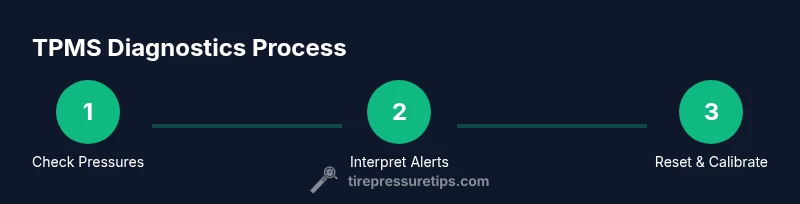
TPMS alerts come in several forms: a one-time warning, a continuous light, and a separate message on the display. A typical tire low pressure warning on a Prius means one or more tires are below the recommended level, usually set by the manufacturer. It can also appear after temperature changes, long drives, or when a sensor battery approaches the end of life. It’s important to verify the reading using a reliable tire-pressure gauge and compare to the recommended PSI found on the door jamb or in the owner’s manual. If pressure is correct, the light may indicate a sensor issue, a faulty valve core, or a dead sensor battery. In such cases, you should attempt a reset and, if needed, have the TPMS sensor checked by a technician. The goal is to separate true low pressure from sensor faults to avoid unnecessary tire inflation or service.\n\n
Safety First: Pre-Check Before Any TPMS Work
For safe handling, never release air near a hot tire or a damaged rim. Park on a level surface, apply the parking brake, and wear eye protection if you plan to release air. Gather your tools and record your current readings. Start with a cold tire; check across the axle to see if one tire differs significantly from its counterpart. If readings fall outside the manufacturer’s recommended PSI, you’ll need to adjust. Document changes, because TPMS values may shift after a drive or temperature change. This pre-check sets the stage for accurate diagnosis and prevents misinterpretation of the TPMS warning. \n\n
Checking and Adjusting Tire Pressure: At-Home Guide
Use a high-quality pressure gauge and check when tires are cold. Compare readings to the recommended PSI label on the driver’s door jamb or the Prius owner’s manual. Inflate slowly in small increments, then recheck. If you see large fluctuations between tires, inspect for punctures, valves, or slow leaks. Keep a steady hand and avoid overinflating beyond the recommended maximum. After inflation, drive a short distance to allow the system to register the change—then recheck. If the TPMS warning persists after correct pressure is achieved, proceed to the calibration or service steps outlined later in this guide. Record the final readings for your logs.\n\n
Resetting and Calibrating TPMS after Pressure Changes
TPMS reset procedures vary by model year and trim. Refer to the Toyota owner’s manual for exact steps, but the general process is: adjust all tires to the correct cold pressure, drive the vehicle for a short distance to allow the system to register the change, and use the dash menu or dedicated buttons to retrain or reset the sensor data. Some Prius models require the ignition on, but not engine running, while others use a combination of button presses and driving cycles. If your vehicle does not reset automatically after a deliberate inflow or outflow, you may need to drive at speeds between 30-50 mph for several minutes. Always ensure you do not exceed the tire’s maximum pressure or the sensor’s limit during calibration.\n\n
Common TPMS Problems and Quick Fixes
Sensor battery failure is a frequent cause of false warnings, followed by damaged valve stems and slow leaks. Damaged or corroded sensors can cause intermittent readings, while improper mounting can trigger errors. Indirect TPMS issues can arise from wheel speed sensor faults or software glitches. When diagnosing, always start with the simplest test: verify correct tire pressure with a gauge, inspect for visible defects, and confirm the vehicle’s system recognizes the sensor data. If a sensor is suspected, replacement should be performed by a qualified technician to ensure proper sealing and correct programming. Routine maintenance, including staggered tire rotation and periodic recalibration, helps avoid recurring problems.\n\n
Seasonal Effects and Maintenance Schedule
Ambient temperature and driving style affect tire pressure. Cold weather typically reduces PSI; warm weather increases it, so regular checks throughout the seasons are important. For Prius owners, plan to recheck tires after long trips, after tire rotations, and after any air pressure correction. Create a simple maintenance cadence: check cold tire pressures monthly, inspect for leaks quarterly, and recalibrate TPMS after significant tire work. The goal is consistent TPMS performance year-round. Tire Pressure Tips notes that routine checks save time and prevent unexpected warnings; following a scheduled plan helps you maintain proper tire pressure and safe driving.\n\n
When to Seek Professional Help and Sensor Replacement
TPMS sensors can age, leading to reduced signal strength or weak batteries that cause false alarms. If the light stays on after proper inflation and a reset, contact a certified technician for a full diagnostic, including sensor programming and calibration. In some cases, you may need to replace a faulty sensor or reprogram the TPMS module. Keep in mind that tire and sensor replacements should align with your vehicle’s warranty terms and local regulations. Regular maintenance reduces the risk of unexpected tire failures and ensures TPMS accuracy.\n\n
Authority sources and further reading
For official guidance on tire safety and TPMS, consult these authoritative resources. They provide context, safety standards, and maintenance best practices to supplement hands-on steps in this guide:
- https://www.nhtsa.gov/vehicle-safety/tires
- https://www.consumerreports.org/ccars-t-driving/tires/
- https://www.nhtsa.gov/vehicle-safety/tires (reliable TPMS overview from a government source)
Tools & Materials
- Digital tire pressure gauge(Calibrated to +/- 1 psi; reads 0-60 psi range)
- Air compressor or service station access(Ensure gauge accuracy; use built-in gauge if available)
- Owner’s manual for your Prius(Check TPMS reset/calibration steps specific to model year)
- Tire pressure log or notebook(Optional but helps track changes over time)
Steps
Estimated time: Estimated total time: 45-60 minutes
- 1
Read current tire pressures
Begin with all tires cold and in the same ambient conditions. Use your digital gauge to measure each tire’s pressure and record the numbers for reference.
Tip: Record pressures on a dedicated log page to spot drifting readings over time. - 2
Find the recommended PSI
Check the driver’s door jamb sticker or the Prius owner’s manual to locate the recommended cold PSI for each tire. This value may differ by tire size and trim.
Tip: Always compare to the cold PSI, not the warm reading after a drive. - 3
Inflate or deflate to target
Inflate or deflate each tire in small increments (about 1-2 psi at a time) until you reach the target. Recheck after adjustments.
Tip: Avoid overshooting; small adjustments reduce overshoot risk. - 4
Recheck all tires
After adjustments, recheck every tire to confirm consistency. The goal is even pressure across the axle pairs.
Tip: If a tire won’t hold pressure, inspect for leaks or a faulty valve stem. - 5
Drive to allow TPMS to update
Take a short drive (about 5-10 minutes) to let the TPMS register the new pressure values. Recheck to ensure the light stays off.
Tip: If the light remains on, you may need a reset or sensor check. - 6
Reset TPMS if required
Follow the Prius-specific reset steps in the owner’s manual or in-vehicle menu. This retrains the system to current pressures.
Tip: Some models require ignition-on with engine off; others use on-screen prompts. - 7
Inspect for leaks or damage
If any tire shows persistent low pressure, examine the tread area, sidewalls, valve stems, and rims for punctures or leaks.
Tip: Use soapy water to spot slow leaks around valve stems and bead seating. - 8
Check sensor condition
If the TPMS light returns after a reset, consider the sensor battery life or possible sensor damage. Batteries in TPMS sensors can wear out over time.
Tip: Sensor replacement should be performed by a trained technician with proper programming. - 9
Document and schedule the next check
Log the final readings, the date of the reset, and any observations. Schedule a follow-up check every few weeks or after seasonal changes.
Tip: Set reminders to maintain consistent tire pressures year-round.
Frequently Asked Questions
What is TPMS in a Prius and why is it important?
TPMS in a Prius monitors tire pressure and alerts you when a tire is underinflated or when a sensor fault occurs. It helps maintain fuel efficiency, safety, and tire wear by ensuring pressures stay within the recommended range.
TPMS monitors your tires for proper pressure and warns you if something’s off, helping you stay safe and save fuel.
How do I reset TPMS on a Prius after inflating tires?
Reset procedures vary by model year. Generally, after inflating to the correct cold pressure, drive briefly to let the system recalibrate and use the vehicle menu or a dedicated button to retrain the sensors as described in the manual.
After inflating to the right pressure, drive a short distance and use the car’s TPMS reset option if your model requires it.
What should I do if TPMS warning stays on after inflation?
If the warning stays, verify pressures again, inspect tires for leaks, and consider a TPMS sensor test or battery check. Persistent warnings may require a professional diagnostic and possible sensor replacement.
If the light won’t go away after inflating, recheck, look for leaks, and seek professional help if needed.
Can cold weather cause TPMS to warn falsely?
Yes, cold temperatures reduce tire pressure and can trigger warnings. Recheck pressures after temperature changes and rebalance as needed.
Cold weather can lower tire pressure and trigger warnings; recheck and adjust accordingly.
Is it safe to drive with a low tire pressure warning?
Driving briefly with a low pressure warning is sometimes unavoidable, but extended driving can cause tire damage or blowouts. Seek to adjust pressure and inspect promptly.
Avoid driving long when the warning is on; fix the pressure and inspect soon.
How long do TPMS sensors last?
TPMS sensors typically last several years, but battery life and environmental factors can shorten service intervals. If warnings increase, have them tested by a professional.
Sensors last many years, but batteries wear out; get them tested if warnings rise.
Watch Video
What to Remember
- Check tires when cold before adjusting.
- Use a reliable gauge and door-jamb PSI guidance.
- Follow model-specific TPMS reset steps after changes.
- Seasonal temperature changes affect tire pressure; recheck regularly.
- Seek professional help for sensor replacement or persistent warnings.