Silverado Tire Pressure Monitoring System: A Practical Guide
Learn how the Silverado TPMS works, how to diagnose alerts, and step-by-step relearn/reset procedures. Practical tips from Tire Pressure Tips to keep your tires safe, efficient, and ready for any road.


By the end of this guide, you’ll understand Silverado TPMS basics, how to read warning lights, and how to reset or relearn TPMS after a tire service. You’ll need a tire pressure gauge, your Silverado owner’s manual, and a compatible scanner if your model requires a relearn procedure. This step-by-step approach covers safety, troubleshooting, and when to seek professional help.
Silverado TPMS Essentials
In modern Chevrolet Silverado models, the Tire Pressure Monitoring System (TPMS) is a critical safety feature that keeps tabs on your tire pressure and warns you when levels fall outside the recommended range. The TPMS sources data from sensor readings in each tire and communicates through the instrument cluster and dashboard warnings. According to Tire Pressure Tips, understanding how TPMS operates in your Silverado helps you respond quickly to pressure changes caused by temperature fluctuations, loading, or a slow leak. Before you dig into troubleshooting, ensure you have the right tools to verify pressures and perform a relearn if needed: a reliable tire pressure gauge, your Silverado owner’s manual, and a compatible scan tool if your model requires a relearn procedure after tire service. Regular checks prevent uneven tire wear and improve fuel economy, while keeping you safer on the road.
How the Silverado TPMS Works
The Silverado TPMS uses sensors in each wheel to monitor tire pressure and relay data to the vehicle’s ECU. In most Silverado models, this is a direct TPMS (D-TPMS) with sensors mounted on the wheel, each sending real-time pressure information. The system triggers a warning when pressures deviate from the recommended range printed on the door jamb sticker. Some Silverado variants also support a software-based indicator if a sensor is malfunctioning, showing a TPMS fault instead of a simple low-pressure alert. The door jamb label is the reference point for the correct pressure, and the owner’s manual provides model-specific guidance. Remember that sensor batteries have limited life, so occasional checks of sensor performance are prudent to avoid false alarms. A proactive approach reduces risk and keeps your ride efficient in varying weather conditions.
Reading and Interpreting TPMS Alerts
TPMS alerts are designed to be intuitive: a low-pressure warning typically lights up when a tire’s pressure drops below the vehicle’s recommended level, and a TPMS fault indicator may appear if a sensor is failing or a system error is detected. The alert behavior can vary by model year and trim, but most Silverado vehicles show a dedicated TPMS warning icon on the dash or a detailed message in the driver information center. Always confirm tire pressures with a gauge and compare them to the door jamb specification. If the warning persists after inflating tires to the correct pressure, this could indicate a sensor issue, scheduled maintenance needs, or a need for relearn after tire service.
Diagnosing TPMS Problems on Silverado
Common TPMS problems include dead or weak sensors, corroded valve stems, damaged sensor batteries, or air leaks in tires. Visual inspection of the tire and valve area often reveals obvious culprits such as a faulty stem or a nail puncture. If the TPMS warning is intermittent, a sensor might be losing battery power or an air leak could be developing. Connecting an OBD-II scanner with TPMS capabilities or using the Silverado’s built-in relearn tool may help identify which sensor is underperforming. If you hear hissing from a tire or notice rapid pressure loss, stop and inspect the tire immediately. A proactive diagnostic approach helps protect tire life and vehicle safety.
Relearn and Reset Procedures for Silverado
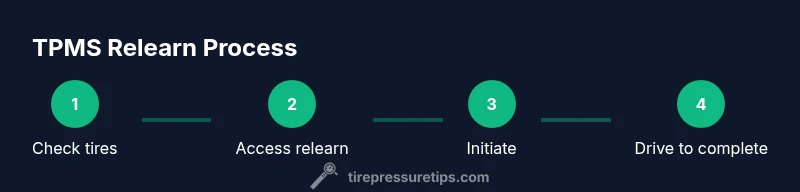
After tire service, rotation, or replacement, many Silverado models require a relearn to re-sync the TPMS with the new tire positions. Relearn methods vary by year and trim, but they generally involve using the instrument cluster menu or an appropriate scan tool to trigger a relearn procedure, followed by a short drive to allow the system to update. Some vehicles relearn automatically after a short highway drive, while others require manual initiation. Always follow your owner’s manual guidance for the exact sequence, and verify that all four tires are properly inflated before starting the relearn.
Regular Maintenance for Long-Term TPMS Health
To keep the Silverado TPMS reliable, perform regular tire pressure checks and tire condition assessments. Since sensor batteries can degrade over time, consider periodic checks of sensor responsiveness, especially after tire service. Use a high-quality digital gauge for accurate readings, and record your measurements to monitor trends. If you replace tires, insist on TPMS-capable sensors and ensure the system is relearned correctly. Regular maintenance also means inspecting wheel rims for damage that could affect sensor seating, and avoiding aggressive tire rotations that could misalign sensor readings. Proactive care minimizes false alarms and extends sensor life.
Safety Considerations and When to See a Pro
TPMS is a critical safety feature, and ignoring warnings can lead to unsafe driving conditions, tire wear, and reduced fuel efficiency. If you notice repeated TPMS warnings in a short period, or if the light stays on despite proper inflation, seek professional help. A certified technician can diagnose sensor faults, battery health, or ECU communication issues. If you recently replaced tires or wheels, a professional relearn may be required to ensure accurate readings. Remember, if you smell burning rubber or hear unusual tire noises, stop safely and inspect the tires before continuing.
What to Do After Tire Service
After tire service or rotation, confirm all four tires are inflated to the manufacturer’s recommended pressures and that the TPMS light is off. If the system requires a relearn, perform it per the Silverado manual or with a compatible scan tool. Drive the vehicle for a short trip to ensure sensors register the new pressures, then recheck with a gauge to confirm consistency. Keeping records of tire pressures helps you spot slow leaks or sensor drift early and protects tire longevity and vehicle handling.
Tools & Materials
- Digital tire pressure gauge(High accuracy; use it for consistent readings across all four tires)
- Silverado owner’s manual / service manual(Model-specific TPMS relearn instructions and safety cautions)
- OBD-II scanner with TPMS relearn capability(Optional; used if the vehicle requires a relearn via software)
- Wheel chocks(Stabilize the vehicle when working around tires)
- Soapy water and brush(Quickly check for leaks at valve stems or bead seating)
Steps
Estimated time: 30-45 minutes
- 1
Gather tools and prepare the vehicle
Park on a flat, level surface. Engage the parking brake, chock the wheels, and collect your tire gauge and any relearn tool you may need. This upfront setup ensures accurate readings and a smooth TPMS relearn if required.
Tip: Have the vehicle in park with the engine off and ignition to run position to access TPMS options safely. - 2
Check tire pressures on all four tires
Use the digital gauge to measure each tire’s pressure. Compare readings to the door jamb sticker and adjust to the recommended ranges. Record the numbers to spot trends and catch slow leaks early.
Tip: Inflate slowly and recheck after a minute to account for gauge accuracy and temperature changes. - 3
Identify the need for relearn
If you recently rotated or replaced tires, or if a TPMS warning persists after inflation, you likely need a relearn. Determine whether your Silverado requires a cluster-based relearn or a tool-based approach from the manual.
Tip: Always confirm the model year and trim, as relearn methods vary between generations. - 4
Initiate the relearn process
Access the TPMS relearn option via the instrument cluster menu or use an OBD-II scanner with TPMS relearn capability. Follow the on-screen prompts to start the process. Do not drive immediately afterward; wait for the system to indicate readiness.
Tip: If using a tool, ensure its firmware is updated for compatibility with your Silverado year. - 5
Drive to complete the relearn
After starting relearn, take a short drive (usually 5–15 minutes) at steady speeds to let the sensors stabilize. The TPMS light should turn off once the system recognizes the new pressures.
Tip: Avoid aggressive driving during relearn; a calm, moderate speed drive helps the sensors settle. - 6
Verify and document results
Recheck all tire pressures with the gauge and confirm the TPMS light is off. Record the final readings and note any differences from prior measurements for future reference.
Tip: If the light returns, inspect valves and sensors for damage and consider a professional check.
Frequently Asked Questions
What is TPMS and why is it important in Silverado?
TPMS stands for Tire Pressure Monitoring System. It alerts you when tire pressure drops or when a sensor is malfunctioning, helping prevent uneven wear, poor fuel economy, and unsafe driving conditions. In a Silverado, TPMS integrates with the vehicle’s computer to warn you via the dash light or a message in the driver information center.
TPMS tells you when a tire is underinflated or a sensor has a problem, helping you stay safe and save fuel in your Silverado.
How do I know if my Silverado TPMS needs a relearn after tire service?
If you’ve had tires replaced, rotated, or if a warning persists after inflating to the recommended pressure, a relearn is often required so the system recognizes the new positions and pressures. Check the owner’s manual for the exact relearn method for your model year.
After tire service, you might need to relearn the TPMS so the sensors are recognized again by the system.
Can I relearn TPMS myself, or should I go to a professional?
Many Silverado owners can perform the relearn with the instrument cluster or a compatible scanner. Some years require dealership or shop equipment for a guaranteed relearn. If you’re unsure, a quick visit to a tire service technician is a safe choice.
You can often relearn TPMS yourself using the dashboard steps or a scanner, but some cases need a pro.
What are common TPMS warnings and their meanings?
A low-pressure warning means one or more tires are below the recommended pressure. A TPMS fault may appear if a sensor or the system has an error. If you see either, check pressures first and then inspect sensors and batteries if readings are normal.
Low tire pressure or a TPMS fault are the common warnings; check pressures and inspect sensors if needed.
How often should I check TPMS sensor batteries?
TPMS sensor batteries typically last several years, but battery health isn’t user-serviceable. If sensors show erratic readings or fail to register after relearn, battery health could be the culprit and require sensor replacement.
Sensor batteries wear out over time; if readings are unstable, sensors may need replacement.
Watch Video
What to Remember
- Check all tires with a reliable gauge before or after inflating.
- Know your Silverado's TPMS relearn method and have a tool ready.
- Drive briefly after relearn to complete sensor registration.
- Inspect sensors and stems if warnings persist.
- Maintain consistent tire pressures to extend tire life and improve safety.