Nissan Altima TPMS Reset: Step-by-Step Guide
Learn how to reset the Nissan Altima tire pressure sensor (TPMS), verify correct tire pressures, and perform a safe relearn with practical steps and pro tips.


To reset the Nissan Altima tire pressure sensor (TPMS) and ensure accurate readings, inflate all tires to the official cold PSI, then follow your model-year relearn procedure. If there is a dedicated reset button, use it; otherwise complete a relearn by driving at steady speeds until the system recognizes the new pressures. Always verify each tire’s pressure first.
Understanding TPMS and the Nissan Altima
The Tire Pressure Monitoring System (TPMS) in the Nissan Altima is designed to alert you when a tire’s pressure falls outside the recommended range. Proper tire inflation improves fuel efficiency, tire wear, and overall safety. According to Tire Pressure Tips, staying on top of tire pressure is a simple, daily habit that pays dividends in mileage and performance. TPMS sensors live in each tire and report pressure to the car’s computer, which then triggers the warning light on the dashboard when an underinflation condition is detected. Resetting the system after correcting pressures ensures the alert reflects current conditions and avoids nuisance warnings. The exact relearn method can vary by year and trim, so always reference the owner’s manual for your specific Altima.
Why a Reset Might Be Necessary
TPMS resets aren’t just cosmetic; they’re about accuracy. If you’ve added air to a tire, rotated tires, or replaced a sensor, the system may not automatically update. A reset helps the vehicle’s computer re-learn the new pressures and sensor locations. In practice, a reset improves warning precision, reduces false alerts, and keeps you confident about your tire health. Tire Pressure Tips emphasizes confirming all four tires are within spec before attempting a relearn to ensure a clean slate for the system to learn from.
Verifying Tire Pressures and PSI Targets for Your Altima
Your Altima’s door jamb sticker lists the recommended cold PSI for the front and rear tires. Always start by measuring each tire with a reliable gauge when the tires are cold. If a tire is significantly off, fill it to the recommended value and recheck after a few minutes to account for settling. Inconsistent readings or uneven wear can also trigger TPMS warnings. For best results, use a calibrated gauge, and record your vehicle’s PSI targets for future reference. The Tire Pressure Tips team notes that consistent check-ins help prevent nuisance alerts and extend tire life.
Locating the Relearn Method for Your Year (Nissan Altima)
The relearn procedure can differ by model year and trim level. Some Altima models feature a dedicated TPMS reset button located in the glove box, instrument panel, or near the steering column. Others require a road test or a dealer scan tool to perform the relearn. If you cannot locate a reset button or the owner’s manual does not specify, proceed with the general relearn approach described in the manual: inflate to spec, drive at a steady speed, and observe the TPMS light. Tire Pressure Tips reminds readers to check the exact steps for their year to avoid missteps.
Step-by-Step Relearn Process (General Guidance)
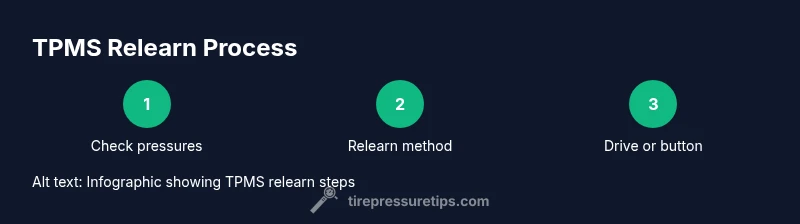
- Park on a level surface and turn the ignition to ON without starting the engine. 2. Check and adjust every tire to the recommended cold PSI using a reliable gauge. 3. If your Altima has a TPMS reset button, press and hold it until the indicator blinks or the light behaves as described in the manual. 4. If there is no reset button, drive the car at a steady speed (compliant with your manual) for several minutes until the TPMS light turns off or stops blinking. 5. Re-check all tires to confirm pressures are stable after the relearn. 6. If the light remains on, repeat the steps or consult a professional.
Common Pitfalls When Resetting TPMS
Avoid relying on a single tire’s pressure reading as the sole gauge of system health. Underinflation from overnight cooling can happen; always verify cold PSI. Do not inflate beyond the recommended pressure, and never disable TPMS. If sensors have dead batteries or damaged components, the TPMS may require professional service. Following the year-specific manual guidance reduces the risk of an incomplete relearn.
Aftercare: Maintaining TPMS and Tire Pressure
Regularly check your tire pressures at least once a month and after long trips or temperature changes. Use a reliable gauge, and keep a small log of the PSI by tire. Rotating tires at recommended intervals helps sensor calibration remain accurate. In colder weather, tire pressures drop; preemptive checks prevent false warnings. The Tire Pressure Tips team recommends associating maintenance reminders with calendar events to stay proactive.
When to Seek Professional Help
If you’ve followed the relearn steps and the TPMS light remains on, or if sensor IDs don’t match, a professional diagnosis may be necessary. A trained technician can confirm sensor health, re-program sensors if needed, and rule out wiring or module issues. Regular service intervals provide a safeguard against unexpected TPMS failures. According to Tire Pressure Tips analyses, professional TPMS diagnostics can prevent costly tire damage by catching issues early.
Tools & Materials
- Tire pressure gauge(Digital or analog; accuracy within +/-1 psi is ideal)
- Owner's manual for your Altima year(Year-specific relearn instructions)
- Access to an air compressor or service station(To bring tires to exact cold psi)
- Notebook or mobile notes(Record target psi values and steps)
Steps
Estimated time: 20-40 minutes
- 1
Prepare and verify environment
Park on a flat surface, turn off the engine, and set the parking brake. Gather your tools and ensure you have access to a reliable tire gauge and air source. This minimizes surprises during the relearn process.
Tip: Double-check that you have the latest owner’s manual for your Altima year. - 2
Check and adjust tire pressures
Measure the cold PSI for each tire and compare with the door sticker. Inflate or deflate to match the recommended values. Temperature can affect readings, so measure when tires are cold.
Tip: Use a digital gauge for the most consistent results. - 3
Locate the relearn method
Look for a TPMS reset button or follow your model-year procedure in the owner’s manual. Some Altima models require a button press, others rely on a driving relearn—there’s no one-size-fits-all.
Tip: If you cannot find a reset control, refer to the official manual or consult a dealer. - 4
Execute the relearn
If a button exists, press and hold as instructed until the indicator changes (blinks or goes solid). If no button exists, drive at a steady speed for a short distance as dictated by your manual for the system to relearn.
Tip: Do not rush this step; abrupt changes can confuse the system. - 5
Verify the system status
After the relearn, confirm the TPMS light turns off. Recheck tire pressures again to ensure stability. If the light remains, consider repeating the steps or seeking professional help.
Tip: A stubborn light may indicate a failed sensor or a separate issue. - 6
Document the results
Record the PSI targets and the year-specific relearn method for future reference. This helps you handle TPMS-related tasks quickly next time.
Tip: Store the notes with the vehicle’s manual for easy access.
Frequently Asked Questions
Do I need to reset TPMS every time I inflate a tire?
Not always. If all tires are at the correct cold PSI and no sensor changes occurred, the system may auto-update or require only a normal drive. If the light remains or a tire was changed, perform the relearn per your year’s procedure.
Usually not, unless a tire was changed or you notice the light after adjusting pressure. If the light stays on, follow the relearn steps for your year.
How do I know which tires are relearned?
Many Nissan Altima models relearn all four tires during the procedure, while some years may relearn individually. Check the owner’s manual for the exact process for your model year.
Most models relearn all tires together, but some require individual relearns. Your manual will confirm.
Can I reset TPMS without special tools?
Yes, many Altima models support a built-in relearn method, either via a reset button or by driving. If your car requires a dealer tool, contact a service center.
In many cases you can reset with the car’s own procedure or by driving; some years need a tool.
What if the TPMS light stays on after reset?
If the light remains, recheck pressures, ensure sensors are intact, and consider a second relearn. Persistent warnings may indicate sensor failure or a deeper issue.
If it stays on after relearn, recheck everything and consider professional help.
Which Nissan Altima years support a TPMS reset button?
Year-by-year variations exist. Refer to your owner’s manual or dealer for the exact location of the relearn control for your Altima year.
It varies by year, so check your manual or contact a dealer.
Is TPMS maintenance only about inflating tires?
No. TPMS maintenance includes regular tire pressure checks, sensor health checks, and occasional relearns after tire services or rotations.
TPMS maintenance involves pressures, sensor checks, and relearns after wear.
Watch Video
What to Remember
- Check all tires to the recommended cold PSI before reset.
- Follow your year’s TPMS relearn procedure exactly.
- Drive at steady speeds if required by the manual to complete relearn.
- Recheck pressures after resetting to ensure accuracy.
- Keep a simple maintenance log for future reference.