Mercedes Tyre Pressure Sensor: TPMS Essentials for Drivers
Learn how to check, diagnose, and service the Mercedes tyre pressure sensor (TPMS). Practical steps, safety tips, and maintenance guidance to keep TPMS accurate and your vehicle safe.


This guide shows you how to check, diagnose, and replace the Mercedes tyre pressure sensor (TPMS). You'll learn how to identify direct vs indirect TPMS, interpret warning lights, and safely service wheels with minimal risk. By following the steps and tips, you can maintain accurate tire pressure readings, improve fuel efficiency, and enhance overall safety on Mercedes vehicles in everyday driving.
Why Mercedes tyre pressure sensor reliability matters
Maintaining accurate tyre pressure is essential for safety, fuel efficiency, and wheel life on Mercedes vehicles. The tyre pressure sensor (TPMS) is the electronic watchdog that monitors each tire's air pressure and alerts the driver when a value falls outside the recommended range. According to Tire Pressure Tips, consistent TPMS checks help prevent underinflation hazards and improve handling in wet or demanding conditions. A failing sensor can hide slow leaks, mislead you about your real pressure, or trigger unnecessary warnings that desensitize you to real problems. For Mercedes owners, understanding how the TPMS works and when to service it saves time, money, and risk on the road. Regular checks also help identify corroded sensor connections and damaged valve stems before a tire change, making every service safer and smoother.
How TPMS works in Mercedes-Benz vehicles
Mercedes uses two main approaches: direct TPMS, which houses a tiny sensor inside each wheel, and indirect TPMS, which uses wheel speed sensors to infer pressure changes. Direct sensors actually measure air pressure and temperature via radio signals to the car's computer, typically battery powered and mounted in the valve stem or rim. Indirect TPMS relies on wheel rotation data and the ABS/ESP system to infer low pressure. Across new Mercedes models, direct TPMS has become more common for accuracy, but both methods share the same goal: keep you informed with a warning before pressures get dangerous. Properly functioning TPMS depends on healthy batteries, undamaged sensors, and clear sensor IDs in the service tool. This section helps you distinguish when a TPMS issue is sensor-related versus a simple pressure loss from a puncture.
Direct vs indirect TPMS in the Mercedes lineup
In a typical Mercedes with direct TPMS, each wheel houses a sensor that reports pressure and temperature to the vehicle's ECU. This gives fast, precise readings and allows tire specialists to pinpoint a faulty sensor quickly. Indirect TPMS uses the vehicle's speed sensors and ABS data to detect pressure differences, then flags a warning if a significant change is detected. Indirect systems can be more cost-effective and less hardware-intensive, but they may be slower to respond and harder to diagnose. Knowing which system your Mercedes uses helps you choose the right diagnostic tools and replacement paths.
Common failure modes of TPMS sensors
TPMS sensors can fail due to battery degradation, damaged valve stems, corrosion on the wheel rim, or physical impact from potholes and curbs. Other recurring issues include incorrect sensor IDs after tire changes, leaked sensor seals, and wheel mounting errors. A warning light that stays on or blinks intermittently often points to a sensor with a weak battery or a poor connection rather than a tire with actual underinflation. Understanding these failure modes helps you decide when a sensor needs replacement, recalibration, or a simple re-learn procedure.
Diagnosing sensor problems with safe, practical steps
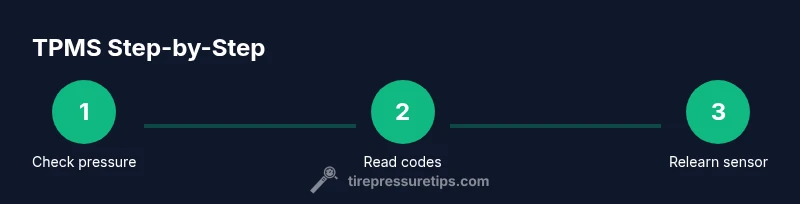
Start by verifying actual tire pressure with a trusted gauge. Compare readings to your vehicle’s recommended pressures in the owner’s manual. If readings are reasonable but the TPMS light remains, connect a diagnostic scan tool to read fault codes related to TPMS. Note the sensor IDs and cross-check them with wheel positions. Inspect the valve stems for cracks or corrosion and check the wheel rims for corrosion around the sensor housing. If the fault persists, consider recalibrating or replacing the sensor with a compatible unit. Safety first: never work on a running car or a tire under load.
Replacing or repairing TPMS sensors: what to know
Direct TPMS sensors require careful wheel removal, sensor replacement, and a relearn procedure to re-pair the sensor with the vehicle. If the battery inside the sensor is exhausted, replacement is usually necessary. When you replace a sensor, ensure you use a compatible tool to disengage and torque the sensor correctly, and reseal the valve stem to prevent air leaks. After installation, the car may need a relearn or calibration sequence, which can be performed via the vehicle’s settings or a dedicated TPMS tool. Do not skip the relearn, or the system may not recognize the new sensor.
Recalibrating and resetting after tire service
After changing tires or sensors, a TPMS relearn is essential to teach the system the new sensor IDs. The exact steps vary by model year and software; common methods include driving a short distance at a steady speed, or performing a manual reset through the steering wheel menus or a workshop tool. Some Mercedes models require a short drive cycle with the wheels in certain positions. Always consult the owner’s manual or a Mercedes-specific diagnostic guide to avoid improper relearn. A successful relearn results in the TPMS warning light staying off and accurate readings.
Maintenance routines to maximize TPMS life
Schedule regular inspections of valve stems and rims for signs of corrosion or damage. Keep sensors clean from road grime and avoid harsh chemical cleaners that could degrade seals. Maintain proper tire pressure to reduce load on sensors, rotate wheels per the manufacturer’s schedule, and replace damaged tires promptly to prevent sensor damage during mounting. When you service tires, request a TPMS relearn if sensor IDs are changed. Regular practice helps prevent false alerts and extends sensor life.
Common mistakes and how to avoid them
Avoid disconnecting the battery or attempting DIY repairs on a sensor without proper training. Incorrect torque on valve stems can crack sensors or cause leaks. Skipping the relearn after a sensor change is a frequent cause of ongoing TPMS warnings. Always detach the battery only when the service manual prescribes it, and use the correct relearn procedure for your Mercedes model.
Cost considerations and value of professional service
Parts and labor costs for TPMS work vary by region and model. It is often more economical to replace a failed sensor during a tire service than to perform multiple diagnostics. A professional shop can accurately diagnose indirect vs direct TPMS and perform a precise relearn. For most owners, weighing the cost against the risk of unpredictable warnings helps decide whether to DIY or seek a technician.
When to visit a Mercedes dealer or tire shop
If your TPMS warning persists after a straightforward replacement, or if you notice frequent warning lights returning after resets, seek professional help. Dealers have access to model-specific relearn procedures and the most up-to-date diagnostic software. Tire shops with certified TPMS technicians can handle direct sensor replacement and recalibration, often with shorter wait times and transparent pricing.
Summary of best practices for Mercedes tyre pressure sensors
Regularly check tire pressure with a reliable gauge, understand whether your vehicle uses direct or indirect TPMS, and perform a relearn after any sensor change. Inspect wheels and valve stems for damage and schedule professional service if you are unsure. By staying proactive with TPMS maintenance, you keep your Mercedes safer, more efficient, and less prone to unexpected warnings.
Tools & Materials
- Digital tire pressure gauge(Prefer two- or three-jet accuracy; reset imprint after use)
- TPMS diagnostic scanner(Model-specific tool for Mercedes; check for software updates)
- Replacement TPMS sensor kit(Direct-sensor kit compatible with your model year)
- Torque wrench(Use the vehicle’s recommended torque for lug nuts and sensor mounting)
- Valve core remover tool(Helpful for valve replacement during sensor install)
- Wheel chocks and jack stands(Safety first when removing wheels)
- Cleaning cloths and anti-corrosion spray(Clean contact points; apply anti-corrosion sparingly)
- Thread sealant or gasket material(Only if sensor design requires seals)
Steps
Estimated time: 90-150 minutes
- 1
Prepare the vehicle and safety gear
Park on a flat surface, apply the parking brake, chock wheels, and gather all tools. Inspect the tires for obvious damage before starting work. This reduces risk and ensures a safe work environment.
Tip: Use wheel chocks on both sides of the opposite wheel to prevent movement. - 2
Connect a TPMS diagnostic tool and read codes
Attach the scanner to the vehicle’s OBD port and retrieve TPMS fault codes. Note sensor IDs and any fault codes related to battery, transmission, or sensor location.
Tip: Take a photo of the screen; it helps during re-learn if codes become later confusing. - 3
Remove the affected wheel and inspect
Loosen lug nuts while the car is on the ground, lift, and remove the wheel. Inspect the valve stem and rim area for corrosion or damage that could impact sensor seating.
Tip: Avoid aggressive prying near the sensor to prevent damage. - 4
Replace or inspect the TPMS sensor
If the sensor battery is dead or the sensor is damaged, replace with a compatible unit. If the sensor is reusable, clean contacts and test resistance if possible.
Tip: Ensure the new sensor is seated squarely and is aligned with the valve stem. - 5
Remount wheel and tighten to spec
Reinstall the wheel, tighten lug nuts to the manufacturer’s torque specification, and lower the car. Spin the wheel briefly to confirm no rubbing and to seat the brake components.
Tip: Use a star pattern when torquing to avoid warping the rotor. - 6
Relearn or recalibrate the TPMS
Use the Mercedes relearn procedure via the instrument cluster or a TPMS tool to re-pair the new sensor. This step is essential for accurate readings and warnings.
Tip: If the light stays on after relearn, drive 10-15 miles at highway speeds to complete the learn.
Frequently Asked Questions
What is TPMS and why does it matter on Mercedes?
TPMS stands for Tire Pressure Monitoring System. In Mercedes vehicles, it continuously monitors each tire's pressure and alerts you if a tire is underinflated, helping prevent safety issues and improve efficiency.
TPMS monitors tire pressure and warns you if a tire is underinflated, helping you stay safe and efficient on Mercedes.
How can I tell if my TPMS is direct or indirect?
Direct TPMS uses sensors inside the wheel to measure pressure and sends data to the car. Indirect TPMS uses wheel-speed data to infer pressure changes. Your vehicle manual or a diagnostic tool can confirm the type.
Direct TPMS has wheel sensors; indirect relies on wheel speed data. Check your manual or use a diagnostic tool to confirm.
Can I replace a TPMS sensor myself?
Yes, in many cases you can replace a TPMS sensor yourself if you have the right tools and follow the relearn procedure. For newer or complex models, professional service is advised to ensure correct calibration.
You can replace it yourself if you have the right tools and follow the relearn steps, otherwise seek professional help.
How long will a TPMS sensor last?
Sensor lifespan varies by model and driving conditions. Direct sensors often last several years, but battery life eventually declines. Regular checks help you plan replacement before a warning becomes critical.
Sensor life varies, but expect several years with proper care; monitor for signs of battery failure.
What if the TPMS light keeps coming back after service?
If the light recurs, recheck the sensor IDs, ensure proper relearn completed, and verify there are no tire leaks. If unresolved, seek a diagnostic check at a Mercedes service center.
If the light returns, recheck relearn steps and sensor IDs; if still on, get a professional diagnostic.
Watch Video
What to Remember
- Verify TPMS status before service.
- Use model-appropriate tools for relearn.
- Replace direct sensors when battery is exhausted.
- Avoid calibration mistakes by following the official relearn steps.
- Regular TPMS maintenance reduces false warnings.