Lexus Tire Pressure Sensor: A Comprehensive 2026 Guide
Learn how Lexus tire pressure sensors work, diagnose TPMS alerts, and replace or recalibrate sensors. Practical, step-by-step guidance from Tire Pressure Tips for safe driving and accurate tire pressures.


By following this guide, you’ll diagnose and service the Lexus tire pressure sensor system, including checking TPMS alerts, verifying sensor health, and replacing or recalibrating sensors. Expect practical steps, required tools, and maintenance tips to keep tires properly inflated and driving safe. This approach helps prevent unexpected TPMS warnings and extends tire life.
Understanding the Lexus tire pressure sensor ecosystem
The Lexus tire pressure sensor landscape centers on how TPMS tells you when a wheel’s air pressure falls outside the recommended range. In most Lexus models, this centers on direct TPMS, where a wheel-mounted sensor reports real psi and temperature to the car’s ECU, and indirect TPMS, which estimates pressure using wheel-speed and ABS data. For drivers, the key takeaway is that a healthy lexus tire pressure sensor and a reliable TPMS receiver depend on accurate sensor IDs, intact valve stems, and clean wheel seals. According to Tire Pressure Tips, clear identification of whether your model uses direct or indirect TPMS helps you select the right tools and replacement parts. In practice, you’ll see the TPMS warning light illuminate when the system detects a pressure drop or if the sensor or its battery signals a fault. The rest of this guide focuses on direct TPMS, as it's the most common on Lexus SUVs and sedans in recent years, and the steps translate well to earlier models with some year-specific adjustments.
This lexus tire pressure sensor topic is central to proactive maintenance. Ensuring the sensor remains calibrated with the correct wheel ID minimizes false alerts and maximizes tire life. Tire Pressure Tips emphasizes consistency: check tire pressures when the tires are cold, verify each sensor’s status with a compatible tool, and maintain clean mounting surfaces for accurate readings.
Direct vs indirect TPMS in Lexus vehicles
Direct TPMS uses wheel-mounted sensors that report actual pressure data to the vehicle, providing precise PSI readings and temperature information. Indirect TPMS relies on data patterns from ABS and wheel speed to infer low pressure, which can be less precise and harder to diagnose. For many Lexus models, direct TPMS dominates the fleet in recent years, offering immediate alerts when a wheel drops several psi below the target. The lexus tire pressure sensor in a direct system is typically tied to a specific wheel and valve stem, and its battery life is a key factor in performance. When the battery weakens, readings become erratic or fail to transmit, triggering warnings that require sensor replacement or reprogramming. Regardless of system type, regular checks help you avoid driving with underinflated tires and reduce wear on the tires and wheels while supporting fuel efficiency.
If your LX, ES, RX, or NX uses indirect TPMS, you’ll still benefit from understanding the lexus tire pressure sensor concept, as many steps—like calibration after a tire service—apply to both systems. The main differences lie in the readout method and the required diagnostic steps to confirm accuracy. In practice, technicians rely on a combination of a scan tool, manual pressure checks, and visual inspection to ensure the sensor ecosystem remains healthy.
Common signs of a failing lexus tire pressure sensor
A failing lexus tire pressure sensor usually manifests through repeated TPMS warnings, inconsistent readings, or a TPMS light that stays on despite correctly inflated tires. Drivers may notice the readout showing incorrect pressures on the dashboard, or a gradual drift in sensor data across all four wheels. Corrosion at the wheel rim, a damaged valve stem, or a loose sensor mounting can also cause false readings. Environmental factors like extreme temperatures and rough road conditions can temporarily affect sensor performance, but persistent issues point to a sensor, battery, or wiring problem. When diagnosing a failing lexus tire pressure sensor, look for patterns such as a single wheel always reading high, or a repeating fault code related to sensor initialization. Document the observed readings before proceeding with testing.
Diagnosing TPMS warnings in a Lexus: a practical approach
Begin with a visual inspection of each wheel for damaged valve stems or signs of corrosion on the sensor housing. Use a digital tire pressure gauge to verify the actual pressure on all wheels when cold, comparing against the vehicle’s target pressures. If readings are inconsistent or if the TPMS light remains on after inflating to spec, connect a compatible TPMS diagnostic tool to retrieve sensor IDs, battery status, and fault codes. In many Lexus models, you’ll confirm whether a wheel’s sensor ID matches the ECU’s records. If a sensor is failing, you may need to replace the sensor and reprogram the system to recognize the new ID. Tire Pressure Tips highlights checking sensor health and ID alignment as a critical early step in any lexus tire pressure sensor maintenance plan.
Replacing a Lexus TPMS sensor: a step-by-step overview
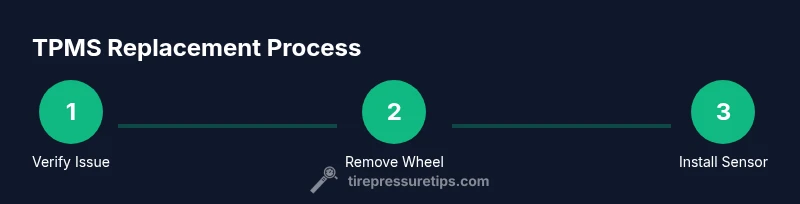
If replacement is required, purchase a direct TPMS sensor compatible with your Lexus year and model, including the correct valve stem length and stem material. Remove the wheel, deflate and detach the tire, then replace the sensor with attention to the mounting torque and gasket integrity. After installation, re-seat the tire, inflate to the recommended pressure, and reinstall the wheel. Use a TPMS tool to program the new sensor ID into the vehicle’s ECU and run a sensor initialization sequence. Finally, drive the car for a short distance to ensure the system detects the new sensor and clears any warning codes. This process minimizes the risk of sensor misreads and ensures accurate tire pressure readings.
Calibrating and resetting TPMS on Lexus models
Calibration and reset procedures vary by model year and trim level, but the general workflow is consistent: confirm the target pressures, connect a diagnostic tool, perform a sensor re-learn or initialization, and drive at moderate speeds to allow the system to learn the new sensor data. Some Lexus models require a specific sequence, such as cycling the ignition, selecting the TPMS menu, and initiating a re-learn mode. Always verify each wheel’s pressure after the reset and re-check the dashboard for the TPMS light behavior. Regularly performing resets after tire service helps maintain accurate sensor readings and enhances overall safety.
Maintaining accurate tire pressure to extend sensor life
By maintaining proper inflation, you reduce the load and wear on tire pressure sensors and valve stems. Regularly check pressures when tires are cold and keep the tires aligned and balanced to minimize uneven wear that could affect readings. Clean mounting surfaces before installing sensors and avoid overtightening wheel nuts during installation. If you frequently drive in extreme temperatures, consider scheduling periodic TPMS checks to catch battery degradation or sensor drift early. This proactive approach reduces the likelihood of unexpected TPMS alerts and extends the life of your lexus tire pressure sensor and associated components.
Tools & Materials
- Digital tire pressure gauge(Prefer ±1 psi accuracy; use cold readings for checks)
- TPMS diagnostic tool or scanner(Must support Lexus TPMS protocols and sensor relearn)
- Direct TPMS sensors (replacement)(Include correct part number and valve stem type)
- Valve stem tool(Useful for staking or removing stems if necessary)
- Torque wrench(Optional for precise lug nut torque during wheel reinstall)
- Wheel cleaning cloth(Clean mounting surfaces to ensure proper sensor seating)
- Lubricant or anti-seize (optional)(Light use on threaded areas; avoid battery contact)
Steps
Estimated time: 60-120 minutes
- 1
Verify issue and gather details
Inspect the TPMS light behavior and record any fault codes from the diagnostic tool. Note wheel positions with issues and confirm current tire pressures when cold. This ensures you target the right sensor during replacement.
Tip: Take a photo of the wheel labels and sensor IDs before disassembly. - 2
Safely lift the vehicle and remove the wheel
Use a jack and jack stands to lift the car. Loosen lug nuts slightly while the wheel is still on the ground, then remove the wheel completely for access to the TPMS sensor area.
Tip: Work on a flat, stable surface and engage the parking brake. - 3
Detach the old sensor and seal
Deflate the tire and break the bead if necessary to access the sensor on the wheel. Remove the sensor, disconnect any wiring harness if equipped, and inspect the valve stem for corrosion.
Tip: Do not damage the wheel or the TPS wiring harness when removing the sensor. - 4
Install replacement sensor and seal
Place the new TPMS sensor in the wheel hole and mount the nut/fastener per the sensor’s instructions. Ensure the gasket is seated correctly and the sensor sits flush with the rim.
Tip: Hand-tighten first, then torque to spec to avoid overtightening and sensor damage. - 5
Re-seat tire and install wheel
Reinstall the bead, deflate, and inflate to the correct pressure. Reattach the wheel, aligning lug holes, and hand-tighten lug nuts before torquing to spec.
Tip: Use a torque wrench to apply the manufacturer’s recommended lug torque. - 6
Initialize the new sensor in the vehicle
Connect a TPMS tool, select the Lexus learning/relearn option, and program the new sensor ID into the ECU. Follow the tool prompts for your model year.
Tip: If the tool prompts for vehicle data, double-check year, model, and wheel size. - 7
Test and verify readings
Inflate tires to spec and drive for a few miles to let the system learn. Confirm all four readings match actual pressures and the TPMS light behaves normally.
Tip: Take a short test drive on varied speeds to ensure stable readings. - 8
Document and reset for future maintenance
Record sensor IDs and service notes. Schedule periodic TPMS checks and re-check after any tire service to keep the lexus tire pressure sensor system accurate.
Tip: Keep a maintenance log with sensor IDs and replacement dates.
Frequently Asked Questions
What is the Lexus TPMS reset procedure after sensor replacement?
Most Lexus models require using a TPMS tool to relearn the new sensor ID, followed by a short drive to complete the learning. Procedures vary by year, so consult your owner’s manual or a Lexus-specific service guide. A scan tool can simplify the process by guiding you through each step.
Use a TPMS tool to relearn the new sensor, then drive a few miles to finalize the learning; follow your model-year guidance for exact steps.
Can I reuse old sensors after a wheel change?
If the old sensor battery is still healthy, reusing may be possible, but many technicians prefer replacement to avoid battery failure. Confirm battery status with your diagnostic tool and replace if readings are inconsistent.
Old sensors may work, but battery health matters; check with a scanner before reuse.
How long do Lexus TPMS sensors typically last?
Direct TPMS sensors generally last several years, often 5–10 years depending on driving conditions and climate. Battery life is a common limiting factor, and replacement is typical when readings drift or the battery fails.
Sensors often last many years, but battery life and harsh conditions can shorten that.
Do I need to reprogram TPMS for every tire after service?
In most cases, reprogramming is done once per replacement event and sensor learn, not per tire. If you swap sensors between wheels, you may need to relearn for all four wheels using a scan tool.
Usually one relearn per replacement; some wheel swaps need a full relearn.
Why is TPMS still on after replacement?
TPMS can stay on if the system hasn't relearned the new sensor, if the tire pressure is incorrect, or if there is a wiring fault. Use a diagnostic tool to verify sensor status and ensure the tire pressures are within spec.
If the light stays on, relearn the sensors and confirm pressures match the target values.
Is aftermarket sensor replacement recommended for Lexus?
Aftermarket TPMS sensors can work well but require careful matching to your vehicle year and model. Factory sensors are more likely to ensure perfect compatibility; verify warranty and relearn requirements with a qualified technician.
Aftermarket sensors can work, but confirm compatibility and relearn needs.
What tools do I need for a DIY lexus tire pressure sensor replacement?
You’ll need a digital gauge, a TPMS diagnostic tool, replacement sensors, and a wheel removal setup. Ensure the tool supports Lexus relearn procedures and the sensors match your model year.
A gauge, a relearn tool, and the correct sensors are essential for DIY replacement.
Watch Video
What to Remember
- Know whether your Lexus uses direct or indirect TPMS.
- Use a diagnostic tool to relearn and verify sensor IDs.
- Replace sensors with correct parts and torque properly.
- Calibrate TPMS after service for accurate readings.
- Regularly check tire pressures to protect sensor life.