How to Turn Off Tire Pressure Sensor: Safe Guide for Drivers
Learn safe, legal ways to silence TPMS alerts when needed, including temporary silencing and resets. Tire Pressure Tips explains steps, risks, and practical alternatives for drivers.


Turn off TPMS is not a simple toggle in most cars. You cannot permanently disable TPMS through a universal switch; instead you silence alerts or reset the system in the vehicle's TPMS menu if your manufacturer allows it. This guide covers safe, temporary silencing, legal considerations, and practical alternatives. We’ll also discuss risks and safer options.
How TPMS Works and Why People Consider Silencing It
Tire Pressure Monitoring Systems (TPMS) are designed to alert you when a tire's pressure drops below the manufacturer's recommended level. Modern TPMS relies on sensors in the valve stem or inside the wheel that communicate with your car's computer. The goal is to prevent underinflation, which can reduce fuel efficiency, hasten tire wear, and increase the risk of a blowout during driving.
According to Tire Pressure Tips, many drivers misinterpret TPMS alerts, assuming they always signal a fault rather than a pressure issue. A sensor can trigger due to temperature changes, minor leaks, recent tire service, or wheel modifications. Silencing or disabling TPMS is discouraged by most manufacturers because it can hide a dangerous condition. Disabling should only be considered after you have confirmed accurate tire pressures and understand the potential risks, and only if your specific vehicle and local regulations allow it. This section explains the TPMS purpose and why blanket disablement is generally a bad idea for daily driving.
When Silencing Is Appropriate (and When Not To)
There are rare cases where silencing TPMS alerts is temporarily reasonable, such as during long-term vehicle storage, off-season tires, or certain diagnostic activities under professional supervision. Even then, silencing is typically temporary and not a substitute for proper tire maintenance. For most drivers, the safest option is to resolve the underlying pressure issue or replace faulty sensors rather than permanently turning off TPMS. The Tire Pressure Tips team recommends cautious consideration and adherence to your owner's manual and local laws. Remember, TPMS exists to protect you and your passengers, and masking a real tire problem can have serious consequences on wet roads, in traffic, or at highway speeds.
Safe Alternatives to Turn Off TPMS
- Use your vehicle’s TPMS settings to silence or reset alerts if supported by your model; not all cars offer this option.
- Before making any changes, verify current tire pressures with a reliable gauge and record the readings.
- If you’re servicing a tire or wheel, silence alerts only for that tire and only temporarily; re-enable when service is complete.
- Consider a tire sensor or TPMS module service if the sensor is faulty rather than disabling the system; improper sensor operation can compromise safety.
- For nuisance warnings caused by extreme temperature changes, consult your dealer about calibration or software updates rather than permanent disablement.
How to Check Your Vehicle's TPMS Settings
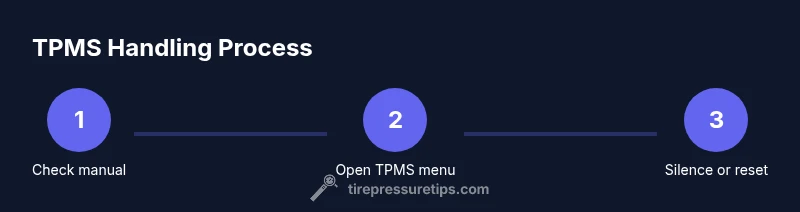
Locating TPMS settings often requires navigating through the vehicle's main menu. Refer to the owner's manual for exact paths, which typically include Settings > Vehicle > TPMS or Safety > Tire Monitoring. Look for options labeled Silence, Reset, or Tire-Specific Silence. Follow the on-screen prompts precisely. If your model lacks a silencing option, do not attempt a permanent disablement; instead, perform a routine tire pressure check and consult a dealer.
This approach helps you avoid unsafe practices while still addressing nuisance warnings when appropriate.
Understanding Risks and Maintenance Practices
TPMS is a fundamental safety feature that helps prevent underinflated tires. Permanently disabling TPMS can increase the risk of tire failures and compromise vehicle safety, warranty coverage, and regulatory compliance. Always weigh the safety implications and legal requirements before attempting any disablement. If silence or reset is not available, focus on maintaining correct tire pressures, inspecting tires for wear or damage, and replacing faulty sensors through legitimate service channels. Regular checks and maintenance remain the best defense against TPMS-related issues.
Tools & Materials
- Owner's manual(To verify manufacturer-specific TPMS steps and legal requirements)
- Vehicle-compatible TPMS reset/silence tool(Some vehicles require dealer or scan tool; check compatibility)
- Tire pressure gauge(Use a reliable gauge to verify pressures before and after changes)
- Safety gear(Gloves and eye protection for tire handling)
Steps
Estimated time: 30-60 minutes
- 1
Review the owner's manual and safety notes
Identify exact steps and warnings before attempting any TPMS changes. Do not disable while driving. Many vehicles require temporary deviations only.
Tip: Have the manual handy and note model-specific steps. - 2
Navigate to the TPMS settings in the vehicle interface
Use the main menu to locate TPMS, Tire Monitoring, or similar terminology. If you can't find it, stop and consult the dealer.
Tip: Take a photo of the menu as a memory aid. - 3
Select silence or reset (if supported)
Choose Silence or Reset depending on what the system offers. Follow prompts exactly.
Tip: If there is no option, do not attempt to disable TPMS. - 4
Verify tires and re-enable if necessary
Inflate tires to the recommended pressures and re-check the system. Take a short drive to confirm correct operation and that the light does not reappear.
Tip: Record readings to compare later.
Frequently Asked Questions
Is it legal to disable TPMS in passenger vehicles?
Permanently disabling TPMS is generally discouraged and may be illegal in some regions. Always check local laws and follow manufacturer guidance. Temporary silencing is sometimes allowed when supported by the vehicle.
Permanently disabling TPMS can be illegal and unsafe; check local rules and the owner's manual. Temporary silencing is sometimes allowed.
Will silencing TPMS affect overall vehicle safety?
Silencing lights can hide real tire issues, increasing risk on wet or high-speed driving. It should only be considered after ensuring tires are properly inflated and that the system supports a temporary silence.
Silencing may mask a real problem; only silence if you know tires are safe and your car supports it.
What should I do if TPMS light stays on after tire service?
If the light remains after service, recheck tire pressures, verify sensor installation, and consider a TPMS reset with your dealer or a qualified technician.
Recheck pressures and sensor work; if in doubt, have a technician reset TPMS.
Can I disable TPMS on a leased vehicle?
Leased vehicles often have stricter policies; permanent disabling may be prohibited by lease terms and warranty. Consult your lease agreement and the dealer before attempting any disablement.
Leased cars usually prohibit permanent TPMS changes; check your lease terms and consult the dealer.
Are there safer alternatives to turning off TPMS?
Yes. Use manufacturer-supported silencing or reset options, maintain tires to proper pressures, and diagnose sensor or tire issues with a professional when needed.
Yes—silence or reset if supported, and always maintain proper tire pressure.
Watch Video
What to Remember
- Silencing TPMS is rarely a long-term fix
- Always rely on accurate tire pressures
- Use manufacturer-supported silencing or reset options only
- Understand laws and warranty terms before modifying TPMS