Can You Turn Off the Tire Pressure Monitoring System? A Practical Guide
Explore whether you can disable TPMS, why it’s discouraged, and how to troubleshoot false warnings with practical, step-by-step guidance from Tire Pressure Tips.


In most cars you cannot simply turn off the TPMS with a dash switch; disablement is often illegal and undermines safety. If TPMS annoys you due to false alerts, address root causes: tire pressures, sensor faults, and calibration. Always consult the owner’s manual or a qualified technician before attempting any disablement.
Why TPMS is a safety feature you should respect
According to Tire Pressure Tips, the Tire Pressure Monitoring System (TPMS) is designed to help drivers identify underinflated tires before they become a safety risk. When tires run low, worse fuel economy and accelerated wear can follow, and the risk of a blowout increases on highways and city streets alike. Rather than viewing TPMS as an annoyance, many drivers find that keeping tires in the recommended range improves handling, braking performance, and overall vehicle longevity. If a TPMS warning appears, your first instinct should be to verify inflation with a trusted gauge and adjust to the manufacturer’s specified pressure. Regular maintenance, including sensor checks, contributes to safer driving and longer tire life. The Tire Pressure Tips team emphasizes treating TPMS as a safety feature that protects you and your passengers, not as a nuisance to bypass.
How TPMS works and what triggers a warning
TPMS uses sensors mounted on wheels or in the tire valves to monitor air pressure. When the system detects a significant drop in pressure, it sends a warning to the vehicle’s instrument cluster. Warnings can also arise from sensor faults, dead batteries within the sensor, or a calibration drift after tire service. Modern TPMS is designed to alert you long before tires become dangerously underinflated, giving you time to inflate, repair, or replace components. Understanding the difference between a temporary fluctuation (like after cold weather) and a persistent fault helps you respond correctly without panicking. The Tire Pressure Tips approach is to verify pressure first, then inspect sensors if the numbers look correct but the warning persists.
Can you legally turn off TPMS? The legal and safety implications
Disabling TPMS is generally discouraged and can be illegal in many regions since it reduces a driver’s ability to detect dangerous underinflation. Manufacturers embed TPMS as part of the vehicle’s safety systems, and tampering with it can affect warranties and insurance coverage. If your vehicle shows a persistent fault, the correct path is to diagnose and repair rather than bypass the system. Always follow the vehicle maker’s guidelines, and consult a certified technician if you’re unsure. The goal is to keep the monitoring system functional to preserve safety for you and other road users.
What to do if you think TPMS is misreporting
If you suspect a misreport, start with a physical tire pressure check using a reliable gauge. Compare readings to the recommended specification printed on the door placard or in the owner’s manual. If pressures are correct but the light remains on, possible culprits include faulty sensors, a degraded sensor battery, or issues with the TPMS control module. Cleaning corroded battery contacts and ensuring correct valve stem seating can resolve some false readings. If the warning persists, a professional diagnostic may be needed to test sensor IDs, battery life, and related wiring. The goal is to isolate a fault without disabling the system.
A practical approach to diagnosing TPMS warnings (root-cause first)
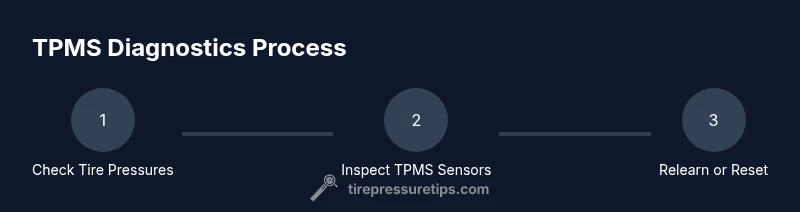
Adopting a root-cause approach helps prevent unnecessary TPMS resets that may mask real problems. Start by verifying tire pressures on all wheels; even a small deviation can trigger warnings. Inspect tires for obvious damage, punctures, or slow leaks, particularly after road debris or winter driving. Check for sensor corrosion at valve stems and ensure wheel sensors are intact and properly sealed. If the readings are consistent and the system still reports a fault, consider recalibrating the TPMS through OEM procedures or a diagnostic tool. Keeping a log of readings, service dates, and warnings can help you spot patterns over time.
Resetting, recalibrating, and common sensor maintenance tasks
Depending on your vehicle, TPMS recalibration can be accomplished via the car’s infotainment system, a dedicated diagnostic tool, or by a dealership. After tire pressure adjustments, you may need to drive a short distance or perform a specific sequence of steps to retrain sensors. Sensor batteries last several years but can fail with harsh conditions or exposure to tire sealants. If a sensor fails, replacement is typically required. Following the manufacturer’s procedure ensures the system is accurate and reliable, reducing nuisance warnings and improving safety. Tire Pressure Tips recommends documenting the exact steps you take and seeking professional help if any step feels unclear.
Maintenance habits to keep TPMS healthy and reliable
Regular maintenance reduces the likelihood of false alerts. Check tire pressures monthly and before long trips, particularly when temperatures shift. Inspect valve stems for cracks or corrosion and replace damaged sensors promptly. If you rotate tires, ensure TPMS IDs are relearned so the system correctly associates sensors with wheel positions. Use a quality gauge, and avoid overusing sealants that can contaminate sensor seals. A proactive approach to TPMS maintenance supports consistent performance and road safety.
How to work with service providers and manufacturers
When TPMS warnings persist despite reasonable tire pressures, seek help from professionals. A trained technician can perform a full TPMS diagnostic to identify sensor faults, ECU issues, or wiring problems. If a tire needs replacement or repair, the shop should re-learn or calibrate TPMS sensors to match the wheel positions. Finally, always keep your vehicle’s documentation handy and verify that any work aligns with the manufacturer’s guidelines. The focus is on safety, reliability, and compliance with local regulations.
Tools & Materials
- OBD-II scanner with TPMS reset capability(Access TPMS codes and perform resets after service)
- Tire pressure gauge (digital or manual)(Check pressures accurately against the recommended values)
- Tire inflator with gauge(Useful for topping off tires after measurement)
- Owner's manual / vehicle service manual(Manufacturer-specific TPMS procedures)
Steps
Estimated time: 30-60 minutes
- 1
Identify the TPMS warning type
Observe the warning light or message and note any accompanying text. Identify which tire is indicated, if possible, and confirm whether the alert is persistent or intermittent. This helps you decide whether you’re dealing with a pressure issue, a sensor fault, or a calibration problem.
Tip: Match the warning to the tire location and note the time of day when it occurred. - 2
Check tire pressures with a gauge
Use a reliable gauge to measure each tire’s current pressure. Compare readings to the recommended value in the door jamb or owner’s manual. Make rapid corrections if a tire is underinflated or overinflated.
Tip: If a tire is significantly different, adjust to spec and recheck after a short drive. - 3
Inspect tires and sensors for damage
Look for signs of puncture, flat spots, or slow leaks. Inspect valve stems for corrosion or damage. Check sensor housings for cracks or corrosion, and ensure wheel rims are clean and dry before reassembly.
Tip: Even small leaks or damaged sensors can trigger TPMS warnings. - 4
Reset or recalibrate TPMS after addressing issues
Follow the vehicle’s procedure to retrain or relearn TPMS sensors. This may involve a menu option on the instrument cluster, a button sequence, or a scan-tool command. Ensure the system recognizes newly inflated or repaired tires.
Tip: Use OEM procedures to avoid miscalibration. - 5
Diagnose persistent false alerts
If warnings persist after corrections, test sensor batteries and verify signal strength. Consider re-learning the sensors or replacing faulty units if necessary.
Tip: Persistent alerts often indicate sensor failure rather than a tire issue. - 6
When to seek professional help
If you can’t identify the cause or the warning returns after a service, consult a dealership or tire shop. They can perform a full TPMS diagnostic and verify ECU and wiring integrity.
Tip: Professional diagnostics reduce the risk of driving with inaccurate TPMS data.
Frequently Asked Questions
Can you legally disable TPMS in most regions?
In most regions, disabling TPMS is discouraged or illegal because it reduces safety by concealing underinflation risks. Always follow the manufacturer’s guidelines and local laws when handling TPMS.
Disabling TPMS is usually not legal or safe. Check your manual and local regulations before making changes.
What triggers a TPMS warning?
A TPMS warning is triggered when the system detects low tire pressure or a fault in a sensor or calibration. It can also alert to sensor degradation or a communication issue within the system.
A TPMS warning usually means a tire is underinflated or a sensor is faulty.
How do I reset TPMS after inflating tires?
Reset procedures vary by model. Typically you inflate to spec, then use the vehicle’s menu or a reset tool to relearn sensors. Refer to your owner’s manual for exact steps.
After inflating, follow the on-screen prompts or use your tool to relearn the sensors.
What if the TPMS warning stays on after service?
If the warning persists, there may be a sensor fault, battery issue, or calibration problem. A diagnostic visit can confirm sensor IDs and ECU health.
If it stays on after service, get a diagnostic check to identify sensor or ECU problems.
Is it okay to disable TPMS for winter storage?
Disabling TPMS is not recommended for storage. Instead, ensure tires are inflated to proper pressure and the system is calibrated for your vehicle.
It’s not recommended to disable TPMS for storage; maintain correct tire pressure and keep the system calibrated.
How is TPMS different from a tire pressure gauge?
TPMS constantly monitors tire pressure and issues warnings; a tire pressure gauge provides a manual, one-time measurement. Both are important for tire health.
TPMS monitors in real time; a gauge is for checking current pressure manually.
Watch Video
What to Remember
- Know TPMS is a safety feature, not a nuisance
- Always verify tire pressures before diagnosing TPMS
- Follow manufacturer steps for resets and relearns
- Seek professional help for persistent warnings
- Maintain tires and sensors to prevent false alarms