How to adjust tyre pressure and reinitialise TPMS: A practical guide
Learn how to accurately adjust tyre pressure and reinitialise TPMS with step-by-step guidance, essential tools, safety tips, and troubleshooting to keep your tires performing at their best.


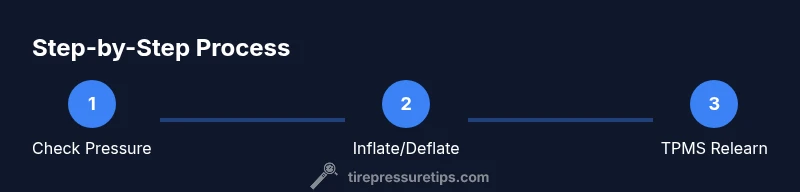
In minutes, you can adjust tyre pressure and reinitialise TPMS by verifying all tire pressures with a gauge, inflating or deflating to your vehicle’s recommended PSI from the door placard or owner’s manual, and then triggering the TPMS relearn/reset through the car’s digital menu or a dedicated button. This typically takes 5–10 minutes.
Why tyre pressure matters
Maintaining correct tyre pressure is essential for safety, fuel efficiency, tire wear, and overall vehicle handling. Underinflation or overinflation can lead to compromised grip in rain, increased rolling resistance, and uneven wear patterns. For drivers, a quick check each month and before long trips can prevent costly problems on the road. According to Tire Pressure Tips, starting with the vehicle’s recommended PSI is the safest baseline, but you should also consider temperature, load, and driving conditions. In practice, keep a reliable gauge in your glovebox and check tires when they are cold to ensure accurate readings. This section explains the roles of correct pressure, how it interacts with TPMS signals, and what to expect when you adjust pressures. Remember that seasonal temperature changes can shift tire pressure by a few PSI, so recheck after cold mornings or heatwaves. By building a routine around pressure checks, you’ll improve safety, fuel economy, tire longevity, and resale value of your vehicle.
Understanding recommended pressures
Every vehicle has an official tire pressure specification, usually shown on a placard inside the driver’s door jamb and in the owner’s manual. The number represents the ideal cold PSI for front and rear tires, and many cars have different values for each axle. In general, passenger cars commonly fall into a 30-35 psi range; trucks and SUVs may be higher. When you check pressure, do it when the tires are cold for accuracy; warm tires can mislead readings by several PSI due to heat buildup. Temperature, load, and tire size also affect the numbers, so if you’re carrying heavy cargo or towing, consult the manual for adjusted targets. If you can’t locate the placard, use the vehicle model year’s typical range as a starting point, then refine with professional guidance. Remember that maintaining correct pressure improves steering response, braking distance, and tire wear. Use a modern gauge for reliability, and log readings to monitor trends over time.
Essential tools and safety gear
Before you start, gather a few simple tools. A precise tire pressure gauge (digital or dial) is essential, along with a portable air compressor or a hand pump for inflating tires. A small flashlight can help in dark garages, and a tire pressure logbook or mobile app helps track readings. Optional items include a torque wrench if you ever need to fit or replace wheels, a valve core tool for adjusting valves, and a soap solution to check for leaks around the valve stem. Wear gloves and safety glasses if you’re working under the car or near busy roads. Always ensure the vehicle is parked on a flat, stable surface and that the parking brake is engaged. If you work around hot surfaces or moving parts, wait until the brakes cool to avoid burns. Having these tools on hand makes pressure checks quick, accurate, and less stressful, reducing the chance of over or underinflation.
Checking pressure when tires are cold
To get an accurate reading, check all tires when they are cold, ideally after the vehicle has sat for several hours. Remove the valve cap, attach the gauge, and read the pressure; replace the cap and recheck. Compare each value to the placard numbers for the respective tires. If a tire is low, add air in small increments (2-3 psi at a time) and recheck until you approach the target. If a tire is high, release air gradually and recheck until you reach the target. Don’t try to compensate by uneven inflation across tires; aim for the recommended cross axle values. After adjusting, inspect the wheel rims for damage and ensure the valve stems are secure. The goal is even contact with the road and stable handling, not simply reaching a number. This process also helps TPMS sensors function correctly, since the system relies on accurate readings to learn the new pressure baseline.
How to inflate or deflate to the correct PSI
Inflation is straightforward when you have the right tools. Start by removing the valve cap, attach the inflator, and apply air in short bursts while watching the gauge. Stop as you approach the target, then check again to confirm accuracy. If you’re adjusting two tires on the same axle, do them step by step and compare readings to maintain balance. If you overinflate, release air through the valve core by pressing the center with a small tool or a clean object. Wait a moment and recheck. If you’re underinflated, add air until you meet the recommended level. It’s important to check the pressure after a few minutes of driving because heat can cause readings to increase slightly. Keep a log of your numbers so you can notice trends and know when to service tires. In sum, careful, incremental inflation and verification ensure optimal grip, fuel efficiency, and tire wear.
Reinitialising TPMS: relearn methods
TPMS relearn procedures vary by manufacturer; some cars relearn automatically after a drive, others require a manual reset via the instrument cluster, infotainment system, or a dedicated button. Begin by ensuring all tires are at the correct cold pressure and that your spare tire is also checked if your model uses a full-sensing system. Consult your owner's manual for the exact steps; common methods include turning the ignition to ON, navigating to the TPMS or Vehicle Settings menu, selecting "Relearn" or "TPMS Reset", and confirming the action. Some vehicles require driving at a steady speed for 10-20 minutes or completing a specific sequence (like holding the TPMS button for several seconds). For hybrids and newer electric vehicles, TPMS relearn can be more involved, sometimes requiring service mode. After performing the relearn, monitor the dashboard indicator; if it remains lit, there may be a sensor fault, a slow leak, or a dead battery in the sensor. The Tire Pressure Tips team emphasizes following the exact factory procedure to avoid inaccurate readings.
Common mistakes and how to avoid them
Common mistakes include inflating or deflating based on guesswork, ignoring temperature effects, or failing to recalibrate after air pressure changes. Another mistake is inflating too quickly, which can cause fluctuating readings and hidden leaks. A squeaking or hissing sound when adjusting is a sign of leaks around valve stems or the rim bead. Always inspect tires for wear and damage, especially after adjusting pressures. A frequent error is neglecting to check the spare tire's pressure if your vehicle uses a full-sensing system. Finally, remember that TPMS is a learning system; it stores the baseline once the sensors read the correct pressures. If you mess with pressures, reinitialising is essential so that the light indicator reflects reality.
Aftercare and monitoring
After you adjust tyre pressure and reinitialise, establish a routine: check pressure monthly, before long trips, and after temperature shifts. Keep a portable gauge in your glovebox and a small notebook or app to track numbers. If you notice persistent pressure loss or bouncing handling, have the system checked by a technician; slow leaks can indicate tire damage or valve stem problems. Remember that cold weather can drop tire pressure by 1-2 psi or more, so plan checks accordingly. For optimal performance, align pressures with vehicle specifications and weight distribution. The long-term benefit is more even wear, better fuel economy, and safer road handling.
Troubleshooting: TPMS light stays on
If the TPMS warning light remains on after adjustment, several factors could be responsible: a slow leak, faulty sensor, a dead battery in a sensor, or a miscalibration during relearn. First, verify all tires are at the prescribed pressures. If readings remain high or low, check the valve cores and stems for damage or leaks with a soapy-water test. If the light persists, drive the car for 10-20 minutes above 30 mph to allow the system to relearn, or perform the relearn sequence again according to the manual. If all else fails, schedule a diagnostic with a tire professional; persistent TPMS warnings can indicate sensor faults, connector issues, or battery degradation.
Tools & Materials
- Digital tire pressure gauge(Prefer a gauge with 0.5 psi precision for accuracy)
- Portable air compressor or hand pump(Compact enough for home use and garage work)
- Valve core tool(Useful for valve repairs or replacements)
- Tire pressure logbook or app(Helps track readings over time)
- Flashlight(Helpful in dimly lit areas)
Steps
Estimated time: 15-25 minutes
- 1
Identify the recommended PSI
Find the correct cold tire pressure for your vehicle from the door jamb placard or owner’s manual for both front and rear tires. Note any differences between axles. This establishes the target you’ll aim for when inflating or deflating.
Tip: Always start from the placard values; they are vehicle-specific and the safest baseline. - 2
Assemble your tools and prep the car
Gather a digital gauge, inflator, and any other needed tools. Park on a flat surface, engage the parking brake, and ensure the tires are cold before you begin to avoid heat-related variations.
Tip: Have everything within reach to minimize time spent with hot tires or awkward positions. - 3
Check each tire’s current pressure
Remove valve caps and measure each tire’s pressure with the gauge. Compare readings to the target values. Record any tires that are significantly off the mark.
Tip: Check when tires are cold for the most accurate baseline. - 4
Inflate or deflate to target pressure
Add air in small bursts if underinflated, or release air in small bursts if overinflated, then recheck. Do not rush; small adjustments ensure precision.
Tip: Always recheck after each adjustment to avoid overshooting the target. - 5
Reinitialise or relearn TPMS
Reset the TPMS according to your vehicle’s manual; this may involve a button, a menu option, or a driving sequence. Ensure all tires (including the spare, if applicable) are at the target pressures before relearn.
Tip: Follow the exact process for your model to prevent miscalibration. - 6
Test drive and confirm
Drive a short distance at a modest speed to allow the TPMS to relearn. Recheck pressures after the drive to ensure stability and safety.
Tip: A quick test drive helps confirm the system is reading accurately.
Frequently Asked Questions
What is TPMS relearn and why is it needed?
TPMS relearn is the process of teaching the tire-pressure monitoring system to recognize the current tyre pressures as the new baseline. It ensures the dash warning light reflects accurate information after you adjust pressures.
TPMS relearn teaches the system your new tyre pressures so the warning light works correctly.
Can I adjust tyre pressure while the car is warm?
It’s best to check and adjust tyre pressure when tires are cold to obtain an accurate reading. Warm tires read higher due to heat buildup and can lead to overinflation if not accounted for.
Check when cold; warm tires can mislead readings.
What happens if I overinflate a tire?
Overinflation can lead to a harsher ride, reduced grip on wet surfaces, and uneven wear where the center tread bears most load. Always target the recommended PSI.
Overinflation can make handling harsher and wear tires unevenly.
Do all cars use the same TPMS relearn method?
No. Relearn methods vary by make and model. Refer to the owner’s manual for the exact steps, which may involve a button, menu option, or driving sequence.
Different vehicles have different relearn steps; check the manual.
Why is my TPMS light still on after adjusting pressure?
Possible causes include a slow leak, faulty sensor, dead sensor battery, or an unsuccessful relearn. Recheck all tires and retry the relearn according to the manual.
If the light stays on, there may be a sensor issue or the relearn didn’t take.
How often should I check tyre pressure?
Check at least once a month and before long trips, and after significant temperature changes or tire work. Regular checks help prevent unexpected flats and improve safety.
Check monthly and before trips for safer driving.
Watch Video
What to Remember
- Know your vehicle’s PSI targets and where to find them
- Check tyres cold, then adjust in small steps
- Relearn TPMS after every pressure change
- Regular checks save fuel, extend tyre life, and improve safety