F150 TPMS Sensor: Install, Replace, and Reset Guide
Comprehensive step-by-step guide to diagnose, replace, and relearn TPMS sensors on the Ford F-150. Learn tools, safety tips, and maintenance best practices from Tire Pressure Tips to keep tires properly inflated and performance optimal.


According to Tire Pressure Tips, this guide helps you confirm TPMS sensor status on a Ford F-150, diagnose common faults, and safely replace or relearn sensors. You’ll learn sensor placement, the tools needed, and a clear step-by-step process to keep tire pressure accurate and compliant. Whether you drive city streets or heavy-tow highways, proper TPMS maintenance improves fuel economy, handling, and overall safety.
What TPMS is and why it matters for the F-150
TPMS stands for Tire Pressure Monitoring System. In most modern Ford F-150s, the system uses sensor-equipped valve stems and wheel-mounted sensors to report tire pressure to the vehicle's computer. Maintaining proper tire pressure improves fuel economy, tire wear, braking performance, and safety on the highway. A faulty TPMS sensor can trigger warning lights, cause incorrect readings, and mask slow leaks. According to Tire Pressure Tips, the most common TPMS issues include dead sensors due to battery failure, valve stem leaks, or damaged sensor housings after impacts. Regular checks help you avoid sudden flats and improve load handling when towing. For many drivers, the F-150 TPMS is integrated with TPMS warning thresholds and the ABS/VSS modules, so readings can be affected by ambient temperature and wheel changes. It's important to know that TPMS sensors can last 5-10 years, but seasonal temperature shifts and pothole usage affect life expectancy. In this section, we cover sensor placement, how the system communicates with the ECU, and what your dash warning lights mean (TPMS, ABS, and the tire pressure indicator).
TPMS sensor types used in Ford F-150s
Ford F-150s commonly use two broad TPMS sensor families: direct sensors that measure actual air pressure inside each tire, and indirect systems that infer pressure changes from wheel speed sensor data. Direct sensors are mounted in the valve stem or wheel rim and transmit wireless signals to the vehicle's TPMS module. Indirect systems rely on ABS sensors and may not rely on a dedicated sensor in every wheel. For the F-150, many model years rely on direct sensors, with replaceable batteries inside the sensor housing. When choosing replacements, ensure compatibility with your year and trim, and verify frequency compatibility (typically 315 MHz or 433 MHz, depending on the vehicle). Proper sensor selection helps minimize relearn errors and false warnings.
How to locate TPMS sensors on an F-150
TPMS sensors reside inside each wheel assembly. Direct sensors are typically mounted on the valve stem or wheel rim and are best inspected after removing the tire from the wheel. Start by parking on a flat surface, engaging the parking brake, and loosening the lug nuts slightly before lifting the vehicle. Use a bead tool or tire machine to separate the tire from the rim, then locate the sensor on each wheel. When performing a visual inspection, look for signs of battery leakage, corrosion at the valve stem, or cracked sensor housings. If you notice corrosion or physical damage, plan for sensor replacement rather than repair. Remember to consult your vehicle's manual for wheel-specific details and follow proper safety procedures.
Diagnosing TPMS sensor faults (low battery, damaged sensor, dead sensor)
Common TPMS faults include a dead battery in the sensor, corrosion around the valve stem, or a damaged sensor housing from impact or debris. A flashing TPMS light or intermittent readings often indicate a failing sensor. Use a digital tire pressure gauge to verify actual pressures and compare them to the readouts from the TPMS. If readings consistently diverge, the sensor may need replacement. Also check the TPMS fuse and wiring harness for obvious damage. Tire Pressure Tips notes that many failures stem from battery depletion, which is not user-serviceable and requires sensor replacement.
Replacing or upgrading TPMS sensors on an F-150
When a sensor fails or is damaged, replacement is the most reliable solution. Begin by ensuring you have compatible sensors for your F-150’s year and wheel size. Deflate the tire slightly to a safe level, remove the tire from the rim, and detach the old sensor. Install the new sensor with the correct torque on the lug nuts and ensure the valve stem sits properly. Re-equilibrate the tire and mount it back to the wheel. Inflate to the recommended pressure and verify the sensor reads correctly with a TPMS tool or scan tool. After replacement, a relearn or initialization may be required by the vehicle to recognize the new sensor.
Relearning the TPMS sensors after replacement
Relearning is the process that tells the F-150’s computer to recognize the new or relocated sensor. The exact procedure varies by model year, but common steps include pressing the tire pressure monitor button (or using the OBD-II scanner), driving for a specified period, or performing a sequence of tire pressure readings. Follow Ford’s guidelines for the relearn procedure specific to your year and trim, and use a compatible scan tool if required. A successful relearn will illuminate the TPMS light momentarily or revert to normal operation once the system confirms all wheels report accurate pressures.
Troubleshooting tips and common mistakes
Avoid mixing sensor brands on the same axle if possible; mismatched frequencies can cause relearn failures. Always disconnect the battery if you must reset the ECU to avoid residual codes, and recheck tire pressures after any wheel work. During tire replacement, do not overtighten rim screws or damage the sensors with tools. Use a torque wrench and torque to the manufacturer-recommended values to prevent sensor damage. A thorough inspection of valve stems and wheel rims can prevent future leaks and sensor failures.
Maintenance and preventative tips for TPMS
Regularly inspect tire pressures and sensor seals, especially before long trips or towing. Check battery life estimates for direct sensors when you service your tires, and replace sensors proactively if there are signs of corrosion or physical damage. Keep a spare TPMS sensor and relearn tool in your vehicle or garage kit in case of emergency tire changes. Cleaning the valve stems and sensor housings with a soft brush helps prevent corrosion and ensures reliable readings.
When to seek professional help
If you encounter repeated relearn failures, persistent TPMS warnings, or difficulty safely removing a tire, seek professional help. A certified technician can diagnose sensor wiring, confirm ECU readiness, and perform a dealer-grade relearn or initialization. In some cases, wheel alignment or ABS calibration may influence TPMS readings and require professional service. If you tow frequently or drive in extreme temperatures, professional maintenance can extend TPMS life and improve overall safety.
Tools & Materials
- Digital tire pressure gauge(Use to verify actual pressures before and after service)
- Replacement TPMS sensor (Ford F-150 compatible)(Choose OEM or reputable aftermarket with correct frequency)
- TPMS relearn tool (Ford-compatible)(Needed to trigger the relearn sequence unless your vehicle uses a drive-cycle method)
- Air compressor(Inflate tires to recommended pressures during tests)
- Torque wrench(Apply proper torque on wheel lug nuts and sensor mounting if required)
- Bead breaker / tire removal tool(Used to separate tire from rim when sensor is integrated in rim)
- Soapy water or tire soap spray(Check for leaks around the valve stem after installation)
- Valve core tool(Useful for venting air or manipulating valve cores during replacement)
- Electrical multimeter (optional)(Can help diagnose wiring or sensor circuit issues)
Steps
Estimated time: 60-90 minutes
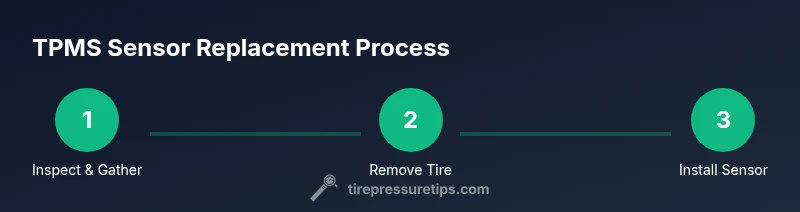
- 1
Prepare and inspect
Park on a flat surface, engage parking brake, and inspect tires for obvious damage. Gather all tools and verify sensor compatibility with your F-150 year/model. This reduces last-minute trips to the parts store.
Tip: Check spare tire pressures and sensor health to avoid surprises during a roadside service. - 2
Remove tire from wheel (if sensor is on rim)
Carefully deflate the tire and use appropriate tire removal tools to separate the bead from the rim. Expose the TPMS sensor for inspection without bending the valve stem. Do not use excessive force that could damage the sensor.
Tip: Work slowly to avoid damaging the sensor housing or inner liner. - 3
Remove old sensor and install new
Detach the old sensor, thread in the new sensor, and seat it firmly. Ensure the valve stem sits aligned and the sensor sits flush with the rim. Re-check for any damage to the rim or valve area.
Tip: Align the sensor so the antenna faces outward for best signal reception. - 4
Reassemble tire and refill
Mount the tire back onto the rim, inflate to the recommended pressure, and balance the wheel if needed. Confirm there are no leaks using soapy water around the valve stem.
Tip: Use a torque wrench to ensure proper wheel lug nut torque per Ford specs. - 5
Initiate TPMS relearn
Use the Ford-compatible relearn tool or the vehicle’s built-in procedure to begin relearning. If required, move the vehicle through a drive cycle or follow the specific year-model step sequence.
Tip: Some models require a drive of 10-15 miles at a stable speed after initiating relearn. - 6
Verify sensor readouts
Check each wheel’s pressure reading with a tire gauge and compare to the TPMS display. Confirm all readings are steady and that the warning light behaves as expected.
Tip: Document the pressures for future reference and to aid future maintenance. - 7
Final confirmation
Take a short test drive to ensure TPMS signals remain stable, especially after heavy loads or temperature changes. Revisit tires if any anomaly appears.
Tip: If the warning light returns, retrace steps or consult a professional.
Frequently Asked Questions
What is a TPMS sensor and why is it important for the F-150?
A TPMS sensor monitors tire pressure and relays data to the vehicle to prevent under- or over-inflation. For the F-150, accurate readings improve fuel efficiency, tire wear, and safety, especially when towing.
TPMS sensors monitor your tire pressure to prevent flats and improve fuel economy. For the F-150, consistent readings matter a lot when towing or carrying heavy loads.
Can I replace a TPMS sensor myself on an F-150?
Yes, with the right tools and compatible sensors. You will need to safely remove the tire, replace the sensor, and relearn the system using a compatible tool or drive cycle specific to your year.
You can replace the TPMS sensor yourself if you have the right tools and a relearn method for your model year.
What tools do I need to replace a TPMS sensor on an F-150?
You’ll need a digital tire pressure gauge, compatible TPMS sensor, relearn tool, air compressor, tire removal tools, torque wrench, and soapy water for leaks.
Essential tools are a TPMS sensor kit, relearn tool, air compressor, and a tire removal kit.
How do I relearn a TPMS sensor after replacement?
Most Ford F-150 models require a specific relearn procedure using a tool or a drive cycle. Follow Ford’s model-year instructions, and verify the sensor IDs on the display after completion.
Use the relearn tool or drive cycle per your model year to finalize the sensor IDs.
What are common signs of a failing TPMS sensor?
Frequent false readings, warning lights staying on, or inconsistent tire pressures indicate a sensor issue. Check for battery life, corrosion, or physical damage.
Common signs are flaky readings and persistent warning lights that don’t match actual tire pressures.
When should I seek professional TPMS service?
If you can’t complete a reliable relearn, or if multiple tires show inconsistent readings, a professional can diagnose ECU, wiring, and sensor compatibility issues.
If relearn fails or readings are inconsistent, professional help is advisable.
Watch Video
What to Remember
- Know TPMS basics for F-150 and why it matters
- Choose compatible direct sensors for your year
- Follow proper safety procedures when removing tires
- Relearn the sensor after replacement for reliable readings
- Prioritize regular checks to prevent leaks and warnings