Discount Tire Pressure Sensor: How to Save with Aftermarket TPMS Options
Learn how to choose, install, and calibrate a discount tire pressure sensor to keep TPMS accurate while saving money. Practical steps, safety notes, and maintenance tips for DIY buyers.


With a discount tire pressure sensor, you can restore TPMS accuracy while saving money. Start by confirming your vehicle’s sensor type and wheel size, compare affordable aftermarket options, and install and calibrate the sensor according to manufacturer guidance. Proper fit, programming, and road-test checks prevent false alerts and uneven tire wear.
Why price matters with TPMS sensors
Price matters for TPMS sensors because replacement costs can vary widely between OEM units and aftermarket options. A discount tire pressure sensor that matches your vehicle’s specifications can save hundreds of dollars over a typical replacement, especially if you own multiple vehicles or regularly rotate wheels. However, price alone does not guarantee reliability. When evaluating discount TPMS sensors, weigh the cost against sensor quality, battery life, compatibility with your vehicle's frequency, and the availability of a solid warranty. According to Tire Pressure Tips, the most cost-effective path is to choose a sensor that clearly lists compatibility with your make, model, and wheel size, and to verify whether the sensor requires programming or a relearn procedure. If you buy too cheaply, you may end up paying more in the long run for professional reprogramming, failed relearns, or false TPMS alerts. A sensible approach combines upfront savings with confidence in the aftermarket part’s longevity and the retailer’s return policy, ensuring you do not compromise safety for price.
Understanding TPMS sensor types and compatibility
There are two main categories of TPMS sensors: direct sensors that sit inside the tire and monitor air pressure, and indirect sensors that use wheel speed data to infer pressure. Direct sensors are the most common and require replacement when the battery dies. Aftermarket discounts come in two flavors: direct sensors built to the same specification as OEM units and direct sensors that use slightly different stem designs or battery chemistries. The important idea is compatibility: your vehicle’s year, make, model, and even trim level determine which frequency and sensor type will work. Always confirm the sensor’s frequency (usually 315 MHz or 433 MHz in the US), the valve stem type, and the wheel’s size. If you choose a discount tire pressure sensor, ensure it is advertised as compatible with your wheel and tire combination, not just the vehicle. Mismatches can lead to persistent TPMS warnings, inaccurate readings, or failed relearns, undermining performance and safety.
How to identify a compatible sensor for your vehicle
To identify a compatible sensor, start with the owner’s manual or the vehicle’s online portal to find the exact TPMS sensor spec. Gather your VIN, wheel size, and tire type, then check the sensor options from reputable sellers. Look for direct sensors that match your vehicle’s frequency and stem type. If your vehicle uses a specific OEM part number, cross-check that number against aftermarket listings. When buying discount TPMS sensors, read the manufacturer notes about relearn requirements and confirm whether an independent programming tool is needed. In some markets, a professional relearn is required, so verify the local service options and return policies before purchasing. The right match reduces the risk of false warnings and ensures reliable inflation data on every road trip.
Where to buy discount tire pressure sensors: reputable sources
Trusted sources for discount tire pressure sensor options include major auto parts retailers, authorized distributors, and well-known online marketplaces that specialize in TPMS components. Prioritize sellers that provide clear compatibility charts, batteries with verified life expectations, and a robust warranty. Avoid generic listings that lack model-year specificity or sensor frequency details. Check for a documented relearn process and a return policy that covers compatibility issues. When possible, choose suppliers who offer bundles that include the programming tool or a relearn service, ensuring you can complete the swap without a secondary purchase. Reading customer reviews and consulting the Tire Pressure Tips buyer guide can help you steer toward options that balance price and reliability.
Installation overview: what you need before you start
Before you begin, prepare a safe workspace and gather all required tools and the discount TPMS sensor. Confirm that the sensor type and stem size match your wheel, and ensure your vehicle has power to the TPMS module. A clean, well-lit area helps, and you should use wheel chocks and proper lifting points to secure the vehicle. Review your vehicle’s relearn procedure, because some models require a precise sequence or a diagnostic tool. If you are unsure about the sensor’s fitment or the relearn steps, consider seeking professional assistance to avoid leaks or incorrect readings. This planning phase saves time and protects your tires from damage during mounting and inflation.
Calibration and relearn: getting your TPMS back online
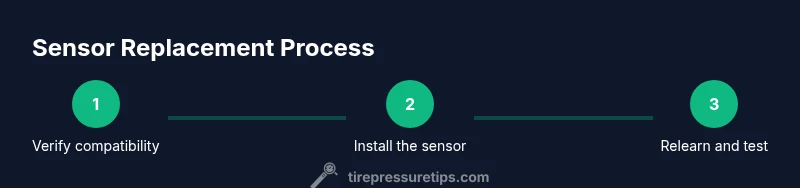
After installing a discount tire pressure sensor, you’ll typically perform a relearn to synchronize the new sensor with your vehicle’s TPMS ECU. Relearn methods vary: some vehicles accept a simple drive cycle, others require a handheld programming tool, and some need a dealer scan tool. Always follow the sensor vendor’s instructions and your vehicle’s service manual. Expect a short test drive to confirm that all corners report accurate readings. If the TPMS light stays on after relearn, you may need to re-check the sensor siting, battery health, or wheel torque. Per Tire Pressure Tips, a correct relearn is critical for long-term accuracy and safe tire management.
Maintenance and testing after install
Ongoing maintenance after installing discount TPMS sensors includes checking wheel torque, inspecting valve stems for leaks, and confirming that tires maintain their recommended pressures. Regular checks help catch sensor drift or battery failure early. Test readings with a reliable tire pressure gauge and compare against vehicle readings. If you notice inconsistent numbers, recheck the relearn status and sensor placement. Documentation from the seller about warranty coverage for the sensor and battery can help if a replacement is needed. Consistent maintenance ensures your TPMS remains a trusted source of tire pressure data, supporting safety and fuel efficiency.
Troubleshooting common issues with discount TPMS sensors
If the TPMS light comes on after installation, verify the wheel is correctly mounted, the sensor battery is healthy, and the relearn completes successfully. A sensor not detected by the system can indicate poor electrical contact, a loose battery connection, or a defective unit. False readings may result from damaged stems or improper installation. When in doubt, recheck the sensor compatibility, reset the relearn, and use a diagnostic tool to scan for fault codes. If you continue to experience issues, consult a professional to validate tire pressure readings and sensor status.
Final notes on practical value and brand trust
Discount tire pressure sensors can offer a sensible balance of price and performance when chosen carefully. Always verify compatibility with your specific vehicle and wheel, use reputable suppliers, and complete the relearn and testing steps properly. The Tire Pressure Tips team emphasizes cautious purchasing, robust testing, and timely maintenance to ensure that aftermarket sensors provide the same reliability as OEM parts. With careful selection and proper procedure, you save money without compromising safety, and your TPMS will deliver accurate pressure data across all driving conditions.
Tools & Materials
- Discount tire pressure sensor (direct TPMS sensor)(Choose a model that matches your vehicle make, model, year, and wheel size)
- Valve stem tool(For removing and installing stems without damaging the rim)
- Torque wrench(Use manufacturer-recommended torque on valve and sensor)
- Bead breaker or tire machine(Helpful for stubborn beads or bead sealing)
- Air compressor or tire inflator(To seat beads and set correct pressures)
- TPMS programming tool or OBD scanner(Needed for sensor relearn in many vehicles)
- Silicone tire lubricant(Lubricates the bead during mounting)
- Wheel chocks and jack stands(Safety to prevent vehicle movement)
- Safety gear (gloves, eye protection)(Protect hands and eyes during tire service)
- Documentation from sensor supplier (warranty)(Keep for warranty claims)
Steps
Estimated time: 60-90 minutes
- 1
Verify compatibility and gather parts
Confirm the sensor type, frequency, stem size, and wheel diameter. Cross-check the OEM part number when available and pull together the discount TPMS sensor and any required tools before starting.
Tip: Double-check part numbers and wheel size in the car’s manual or the seller’s compatibility chart. - 2
Raise the vehicle and remove the wheel
Safely lift and secure the vehicle. Remove the wheel from the hub using standard lug nut procedures and set it on a clean, padded surface to prevent damage.
Tip: Use wheel chocks and a torque-limiting impact wrench if available. - 3
Remove old sensor and valve stem
Deflate the tire completely and detach the tire from the rim if needed. Carefully remove the old TPMS sensor and valve stem without damaging the rim seal.
Tip: Inspect the rim area for corrosion or damage and replace as needed. - 4
Install new sensor and valve stem
Install the replacement discount TPMS sensor and new valve stem. Torque to spec and ensure the sensor sits flush against the rim.
Tip: Lubricate the bead lightly to ease mounting and avoid bead damage. - 5
Mount tire, seat bead, and inflate
Re-seat the tire bead evenly, mount the tire back onto the wheel, and inflate to the recommended pressure. Check for leaks around the valve stem.
Tip: Start with a lower pressure to verify seal before final inflation. - 6
Program and relearn the sensor
Use your vehicle’s relearn method or a dedicated tool to pair the new sensor with the TPMS ECU. Some vehicles require a drive cycle; others need a handheld tool.
Tip: Follow the sensor manufacturer’s relearn steps precisely to avoid failures. - 7
Verify readings and road-test
Check each wheel’s TPMS reading with a diagnostic tool or vehicle display. Perform a short road test to confirm all four sensors report correctly and the TPMS light stays off.
Tip: If readings drift, recheck sensor seating and battery health.
Frequently Asked Questions
What is a discount tire pressure sensor?
A discount TPMS sensor is an aftermarket tire pressure sensor sold at a lower price than OEM units. It performs the same pressure sensing function, but compatibility and programming requirements must be verified for your vehicle.
An aftermarket TPMS sensor offered at a lower price than OEM units. Make sure it fits your car and you know how to program it.
Can I use any TPMS sensor on my car?
No. TPMS sensors must match your vehicle’s frequency, valve stem type, and wheel size. Mismatches can prevent proper sensor communication and trigger warnings.
Not all sensors fit every car. You must match frequency, stem, and wheel size.
Do aftermarket TPMS sensors require programming?
Many aftermarket sensors require programming or a relearn procedure to synchronize with your vehicle’s TPMS ECU. Some are pre-programmed, but you should verify this before purchase.
Most aftermarket sensors need programming or a relearn to work properly.
How long does a TPMS relearn take after sensor replacement?
Relearn times vary by vehicle. Some models accept a quick drive cycle, while others require a dedicated tool or dealer scan. Plan for 10-30 minutes plus drive time.
Most relearns take a short drive or a quick scan with a tool; check your car manual.
Is DIY installation safe for discount TPMS sensors?
DIY installation is feasible for experienced DIYers with proper tools. If you’re unsure about safety or wiring, seek professional assistance to avoid leaks or sensor damage.
It can be DIY if you’re comfortable with tire work; otherwise, get a pro.
What warranty covers discount TPMS sensors?
Warranties vary by seller but typically cover sensor defects and battery life for a limited period. Read the terms before purchase and keep a proof of purchase.
Warranties differ by seller; review the terms and keep your receipt.
What should I do if the TPMS light stays on after replacement?
If the light stays on, recheck sensor seating, confirm relearn success, and verify battery health. If unresolved, consult a technician to avoid driving with faulty data.
If the light stays on, recheck everything or seek professional help.
Watch Video
What to Remember
- Verify compatibility before purchasing.
- Choose reputable suppliers for discount sensors.
- Perform a proper relearn and road-test after install.
- Regularly monitor tire pressures for safety and efficiency.