Can You Use Any Tire Pressure Sensor? A Practical TPMS Compatibility Guide
Learn how tire pressure monitoring sensors differ, why compatibility matters, and how to choose, replace, and relearn sensors safely. Practical guidance for direct vs indirect TPMS systems from Tire Pressure Tips.


Can you use any tire pressure sensor? In short, no. Tire pressure monitoring systems are vehicle-specific. Direct TPMS sensors must match your car’s frequency (usually 315 MHz or 433 MHz), valve stem type, and wheel fitment, and often require programming or relearning after installation. Indirect TPMS relies on ABS wheel-speed data and cannot be swapped like-for-like.
Can You Use Any Tire Pressure Sensor? Understanding Compatibility
Can you use any tire pressure sensor? The short answer is no. The Tire Pressure Tips team emphasizes that compatibility hinges on several vehicle-specific factors, including the TPMS type (direct vs indirect), the sensor frequency, valve stem design, and wheel fitment. A mismatch can lead to false readings, a lit TPMS light, or failed relearn procedures. For most drivers, choosing the right sensor means starting with your vehicle’s make, model, and year and verifying it with the sensor type recommended by the manufacturer. According to Tire Pressure Tips, this isn’t a case of “one size fits all”—even sensors that seem similar may not work across different platforms due to electrical signaling, calibration, or software expectations. When in doubt, check your owner’s manual or contact a professional technician who can confirm compatibility before you buy. The goal is to ensure accurate readings, reliable relearn, and a long sensor life that matches your driving needs and climate.
In practice, can you use any tire pressure sensor is a question drivers ask after seeing advertisements for universal units. The reality is more nuanced: some indirect systems can accommodate certain sensor types through wiring or software workarounds, but those exceptions are rare and vary by vehicle. The Tires Pressure Tips guidance is clear: always verify frequency, sensor type, and vehicle compatibility before purchasing new sensors. This helps you avoid wasted money and time on sensors that won’t function properly or require costly programming later.
Direct TPMS Sensors: Vehicle-Specific Frequencies and Fittings
Direct TPMS sensors are mounted in each wheel and communicate the tire pressure data to the vehicle’s central module. They are designed to match specific frequencies (commonly 315 MHz in North America and 433 MHz in many other markets), valve stem configurations (rubber vs metal, Schrader valve types), and wheel sizes. Because the signal and hardware handshake are tightly coupled to your vehicle’s electronics, you cannot substitute a random sensor and expect it to work without intervention. After installation, many vehicles require a relearn or programming step so the car recognizes the new sensor IDs. This process ensures that the TPMS warning lights reflect accurate air pressures for each wheel and reduces nuisance warnings. When selecting sensors, prioritize models confirmed for your exact make/model/trim and consult your vehicle’s service manual for the correct frequency and stem type. If a sensor isn’t aligned with your vehicle’s specifications, it will likely fail the relearn, or worse, report incorrect pressures that compromise safety.
To navigate these choices, check the VIN-based TPMS specification from the dealership or the OEM parts catalog, then compare to aftermarket options. The goal is a seamless sensor integration that your onboard computer can identify reliably. If you’re replacing a failed sensor, consider whether you’ll also need new valve stems or sensors with equal battery life; neglecting these can shorten service intervals and necessitate early replacements. Remember: the right sensor is not just about the core electronics—it’s also about the mechanical fit and the vehicle’s software expectations.
- Key takeaway: direct TPMS sensors require vehicle-specific matching for frequency, stem, and installation method. A mismatch often triggers problems that are tough to fix post-installation.
- Practical advice: verify compatibility using your VIN and confirm if a relearn will be needed after sensor installation, which is typically the case for direct sensors.
Indirect TPMS: How It Differs and Why It Matters
Indirect TPMS does not rely on a dedicated wheel sensor in each tire. Instead, it uses existing ABS wheel-speed data and rolling resistance indicators to infer when a tire’s pressure deviates from the baseline. Because there are no wheel-specific hardware or radio signals, you cannot swap indirect TPMS components in the same way you might with direct systems. Indirect systems also depend on tire size and load to maintain accurate thresholds, so changes in tire type or dimensions can affect sensor accuracy. For drivers considering upgrades, indirect TPMS offers a cost-efficient approach, but it comes with trade-offs: less immediate pressure feedback, potential calibration drift, and limited ability to display precise pressures on the dash unless the vehicle supports it. If you’re asking can you use any tire pressure sensor in an indirect system, the answer is effectively no—the “sensor” in an indirect setup is the ABS-based software interpretation, not a replaceable hardware part in the wheel.
When comparing direct versus indirect systems, think about your priorities: real-time, wheel-specific pressure data versus a software-based warning system that may rely on broader vehicle signals. If your goal is to maintain accurate, wheel-specific readings with the option to customize sensors, a direct TPMS upgrade with the correct frequency and stem design is the safer choice. For many motorists, the stability and clarity of direct TPMS outweigh the long-term savings of indirect systems, especially in colder climates or high-mileage scenarios where sensor wear can accumulate.
How to Check Compatibility Before You Buy
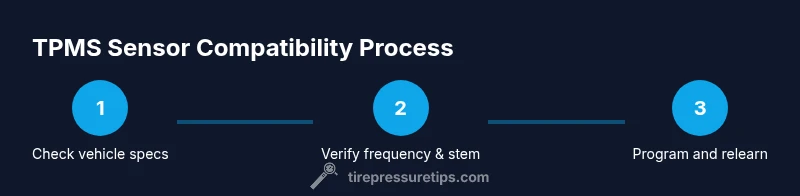
Before committing to a sensor, perform a thorough compatibility check. Start with the easiest verification steps and graduate to the more technical ones if needed. First, locate your vehicle’s TPMS specifications in the owner’s manual or service guide. If possible, pull the VIN and verify the exact sensor frequency and stem type required by your car’s onboard computer. Next, confirm wheel compatibility: the sensor must physically fit the rim and seal area, and the electrical connections must align with the vehicle’s harness. For direct TPMS, you’ll likely need to program or relearn the sensor after installation, so verify whether your local shop or dealership offers this capability and what tool is used. Keep in mind that installation quality matters; even a rare frequency match won’t compensate for a poorly seated valve stem or damaged mounting hardware. In some cases, your vehicle may require factory-approved sensors or a specific aftermarket brand that has documented compatibility with your exact model. Finally, ensure you have a plan for verification after installation: bring a TPMS tool and a tire gauge to confirm that all four tires read correctly and the system recognizes the new sensors.
Replacement Pathways: OEM vs Aftermarket Options
When replacing TPMS sensors, you typically choose between OEM (original equipment) sensors and aftermarket options. OEM sensors guarantee full compatibility with your vehicle’s software and the exact sensor ID sets, but they can be more expensive. Aftermarket sensors often provide similar performance at a lower cost, but you must confirm that the selected model supports your vehicle’s frequency and stem type and that you’ll be able to relearn the system using the correct procedure. Regardless of the source, most replacements will require programming or relearning, either with a dedicated TPMS tool or through a dealership/system-integrated process. Some vehicles support a “teach-in” relearn that you can perform in the driveway with the right tool, while others require dealership-grade software. If you’re unsure, consult your technician about the optimal replacement path for reliability and accuracy. In all cases, confirm the sensor’s battery life and warranty terms; sensors are mechanical-electronic components, and longevity depends on driving conditions and climate. The question of can you use any tire pressure sensor becomes less about the sensor itself and more about ensuring the entire system—hardware, software, and process—speaks the same language as your vehicle.
Common Pitfalls and How to Avoid Them
- Mismatched frequency or stem type: Buying sensors without verifying frequency and stem design can lead to false readings or a failed relearn. Always match frequency and stem to your vehicle.
- Skipping relearn/programming: Many direct TPMS sensors require a relearn. Don’t assume the vehicle will automatically recognize the new sensor; plan for a relearn session at a shop or dealership.
- Reusing bad sensors: A damaged or old sensor can fail prematurely and trigger warnings. Inspect or replace sensors with visible wear; battery life declines over time.
- Ignoring climate and tire size changes: Switching from a larger to a smaller tire or changing tire brands can affect button thresholds and require recalibration.
- Inadequate torque on valve stems: Over-tightening or under-tightening valve stems can cause leaks or sensor damage. Use a torque wrench and follow manufacturer specs.
To avoid these pitfalls, obtain exact specifications before purchase, schedule time for relearn, and use a trusted TPMS tool to verify readings after installation. This ensures accurate monitoring and reliable performance.
Maintenance Tips for TPMS Sensors and Systems
Regular maintenance helps extend TPMS sensor life and ensure accurate readings. Check tire pressure at least monthly, and before long trips or extreme weather. Keep tires inflated to recommended pressures to reduce sensor workload and wear. If you frequently drive in snow or salty environments, consider rust-resistant stems and corrosion protection on sensors. Periodically inspect sensor batteries (if visible) and look for signs of damage or air leaks around the valve stem. Finally, have your TPMS system inspected as part of routine service intervals—a small issue today can become a warning light tomorrow if left unchecked.
Tools & Materials
- Replacement TPMS sensor (vehicle-specific)(Ensure correct frequency and stem type for your model; check VIN/spec sheet)
- TPMS programming/relearn tool(Needed for most direct sensor installations to enable system recognition)
- Torque wrench(To safely secure valve stems per OEM specs)
- Air compressor or tire inflator with gauge(To inflate tires to recommended pressure after sensor install)
- Valve stem puller/remover tool(Helpful for aftermarket stems or stubborn valves)
- Digital tire pressure gauge(For quick verification of initial readings post-install)
Steps
Estimated time: 45-90 minutes
- 1
Verify vehicle compatibility
Locate your vehicle’s TPMS specification via the owner’s manual or VIN-based parts catalog. Confirm the sensor frequency, stem type, and whether a relearn is required after installation.
Tip: If unsure, call the dealership parts department with your VIN to confirm the exact sensor spec. - 2
Gather the right tools and parts
Collect the correct sensor, relearn tool, air compressor, and a digital tire gauge. Prepare a clean workspace and inspect the wheel areas for damage before starting.
Tip: Always use OEM or OEM-approved aftermarket sensors for best compatibility. - 3
Remove the wheel and access the valve
Loosen lug nuts, lift the vehicle, and remove the wheel. Deflate the tire enough to remove the valve cap and access the TPMS valve stem.
Tip: Keep track of the wheel’s orientation to avoid misalignment when reinstalling. - 4
Remove the old sensor and install the new one
Carefully detach the old sensor, install the new one with proper seating, and torque the valve stem to spec. Avoid overtightening to prevent leaks.
Tip: If replacing stems, apply a small amount of anti-seize or lubricant as recommended by the sensor maker. - 5
Program or relearn the new sensor
Use the TPMS tool to relearn or program the new sensor according to the vehicle’s procedure. This step aligns the sensor ID with the onboard system.
Tip: Some cars require a key-off interval after relearn; follow tool prompts exactly. - 6
Verify readings and inflate to spec
Reinstall the wheel, lower the car, and inflate to the recommended tire pressure. Use a digital gauge to confirm pressures, then check for a steady TPMS warning status.
Tip: Drive at least a few miles to allow the system to settle and re-calibrate if needed.
Frequently Asked Questions
What happens if I install the wrong TPMS sensor?
Using the wrong sensor can cause false warnings, failure to relearn, and inaccurate readings. Always confirm frequency and stem type before purchase.
Using the wrong TPMS sensor can cause false warnings and inaccurate readings. Always confirm frequency and stem type.
Do all vehicles require a relearn after sensor replacement?
Most direct TPMS installations require a relearn to register the new sensor IDs with the vehicle’s computer. Indirect systems typically do not require a relearn since they don’t use wheel-mounted sensors.
Most direct TPMS installations require a relearn; indirect systems do not.
Can I reuse an old TPMS sensor?
Reusing an old sensor is possible if the battery is still healthy and the sensor matches your vehicle’s specs. However, batteries typically have limited life, and many technicians replace aging units to avoid failures.
You can reuse an old sensor if it’s healthy and matches your vehicle, but batteries wear out and replacements are common.
How do I know which sensor is right for my car?
Consult your owner’s manual or dealership parts catalog with your VIN to confirm the correct frequency, stem type, and sensor style. Cross-reference with aftermarket options that explicitly list compatibility.
Check the manual and VIN-based parts catalog for the exact frequency and stem type, then cross-check with compatible aftermarket options.
What tools are essential for TPMS sensor replacement?
You’ll typically need a TPMS relearn tool, a torque wrench, an air compressor or inflator, a digital tire gauge, and the correct sensor. Some installations also require valve stems.
A relearn tool, torque wrench, air compressor, digital gauge, and the correct sensor are typically needed.
Is there a risk of damaging a wheel during sensor replacement?
Yes, improper installation can damage the valve stem or wheel rim. Use the proper tool, follow torque specs, and consider professional assistance for complex wheels.
There is a risk of damaging the valve stem or wheel if not careful; use proper tools and torque specs.
Watch Video
What to Remember
- Verify frequency and stem type before buying sensors
- Direct TPMS requires vehicle-specific matching and relearn
- Indirect TPMS relies on ABS data and isn’t interchangeable
- Always perform relearn and verify readings after install