Sensor TPMS Universal: A Practical Guide to Compatibility and Replacement
Learn how sensor TPMS universal sensors work, how to verify compatibility, and step-by-step installation for reliable tire pressure monitoring across many vehicles.


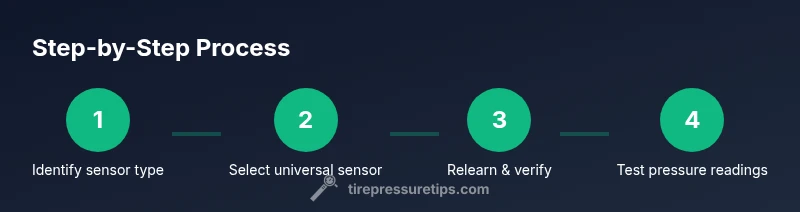
A sensor tpms universal kit lets you retrofit TPMS sensors across many vehicle makes and models, reducing inventory needs. This guide explains compatibility, relearn steps, and maintenance for reliable readings. Key actions include verifying vehicle compatibility, selecting the right sensor, and performing a TPMS relearn to ensure accuracy.
What is a sensor tpms universal?
A sensor tpms universal is a tire pressure monitoring sensor designed to work across multiple vehicle makes and models, using a standardized sensor body and relearn approach. In practice, this means swapping in a single sensor family rather than hunting for model-specific units. The universal concept helps shops and DIY enthusiasts stock fewer parts while maintaining broad compatibility. When you choose a sensor tpms universal, you still must confirm fitment with your vehicle’s wheel, valve stem, and TPMS receiver. The goal is to provide consistent performance without compromising safety. According to Tire Pressure Tips, universal TPMS options can simplify maintenance for mixed fleets and older vehicles that lack modern factory sensors. By understanding the basics, drivers can avoid costly trial-and-error replacements and keep tires properly monitored for safer driving.
How does a sensor tpms universal differ from an OEM sensor?
OEM TPMS sensors are manufactured for a specific vehicle, with exact fitment, ID codes, and calibration data baked in. A sensor tpms universal aims to cover multiple platforms by using adaptable valve stems, universal relearn procedures, and broadly compatible electronics. The trade-off often involves a relearn step after installation and the potential need for a relearn tool or a manufacturer-specific procedure. Universal sensors can reduce inventory costs and simplify repairs, but they may require verification of fit and a formal relearn to ensure readings are accurate. Tire Pressure Tips notes that, in many cases, universal TPMS sensors provide solid results, especially when installed by a trained technician who can perform the relearn correctly.
Compatibility considerations: what to check before buying
Compatibility hinges on several factors that vary by vehicle. Start with the wheel and valve stem type (rubber vs metal, serviceable vs non-serviceable). Check the sensor’s operating frequency compatibility with your TPMS receiver, since some systems are frequency-specific. Vehicle year and trim level can affect whether a universal sensor can be relearned on the Car ECU. Consider whether your wheels use clamp-in or snap-in valve stems and whether you need sensors that support four-wheel or five-wheel configurations. If you own a light-to-mid-truck application, verify load and battery life expectations. Tire Pressure Tips analysis shows broad compatibility across common brands, but you should always confirm with the sensor manufacturer and your vehicle’s service manual before purchase. Also verify that the universal sensor supports relearn methods compatible with your toolset and garage workflow.
Selecting the right universal TPMS sensor
Choosing the right sensor tpms universal means matching form factor, stem style, and relearn capability to your vehicle’s needs. Start by identifying whether your wheels use a clamp-in, snap-in, or serviceable valve stem, and pick a sensor that matches. Look for sensors with a compliant battery life and a reputable warranty. Confirm the ID registration process and whether the sensor requires a specific relearn procedure or a general one. Remember that some vehicles require relearn on all wheels, while others only require the sensor on a single axle. If you plan to replace multiple sensors, buy in the same family to ensure consistent performance and simplify future maintenance.
Installation considerations and common methods
Installation typically involves removing the tire, deflating, and carefully replacing the sensor at the wheel. Use appropriate tire-bead tools and a torque-safe approach to secure the new valve stem. Check for leaks with soapy water and reseat the tire bead after installation. If you are using a universal TPMS sensor, ensure the stem alignment and seating are correct to avoid tire leaks. A good practice is to keep a log of sensor part numbers and batch codes for warranty and future maintenance. This reduces the risk of mismatches and helps you trace any future TPMS issues back to a single source.
Relearn procedures and getting readings accurate
Relearn procedures vary by vehicle and tool. Many universal TPMS sensors require a relearn pass using an OBD scanner or vehicle-specific method, followed by a few miles of driving to finalize the sensor IDs. Ensure you perform all four wheels if your vehicle’s system requires it, and confirm that the dashboard TPMS light clears after successful relearn. If the relearn fails, recheck sensor orientation, valve seating, and battery status. After a successful relearn, test by temporarily lowering each tire and verifying the TPMS reports the correct pressure.
Maintenance and troubleshooting common issues
Common issues include persistent TPMS warnings, inaccurate readings, or a perpetual relearn requirement. If you see a fault light, verify battery status and confirm the sensor ID matches the vehicle’s ECU. Leaks around the valve stem or damaged seals can cause false readings; fix these by reseating the sensor or replacing the stem if necessary. Keep a maintenance schedule that includes periodic TPMS checks, proper tire inflation pressures, and sensor health assessments. Regular checks help detect sensor drain, stem corrosion, or wear before they lead to tire safety concerns.
Safety and regulatory considerations
Work on tires only when they are cold and the vehicle is secured with wheel chocks. Always use proper PPE and follow torque specifications when tightening valve stems. Do not modify sensors or batteries beyond the manufacturer’s guidance. If you are unsure about the relearn process or sensor compatibility, consult a qualified technician. Safety should always come first when working with tire pressure monitoring systems and replacement parts.
Costs, warranties, and lifespan expectations
Prices for sensor tpms universal sensors vary based on brand, features, and warranty. Expect a broad price range per sensor depending on build quality and relearn support. Warranties differ by manufacturer and retailer, so read the fine print about coverage for battery life, stem integrity, and sensor electronics. Longevity depends on vehicle usage, driving conditions, and maintenance. Regular inspection, prompt replacement of failing units, and careful relearn procedures help maximize lifespan while preserving accurate tire pressure readings. The tires and TPMS system are critical for safe driving, and investing in a reputable universal sensor can reduce downtime and maintenance costs over time. Authority sources: For broader context on tire safety and TPMS guidelines, see resources from major agencies and standards bodies such as https://www.nhtsa.gov/road-safety/tires, https://www.nist.gov, and https://www.sae.org.
Tools & Materials
- Tire pressure gauge(Calibrated; digital or dial gauge works; use it to verify target pressures during testing.)
- TPMS relearn tool or compatible scan tool(Check compatibility with your vehicle; some tools support multiple relearn procedures.)
- New universal TPMS sensors(Select sensors that match your wheel type and stem style; ensure they are factory-approved or compatible with your vehicle.)
- Torque wrench(Used to tighten valve stems to recommended torque; prevents leaks and stem damage.)
- Valve core tool(Helps remove and install valve cores when replacing sensors.)
- Soapy water spray(Check for leaks around the valve stem after installation.)
- Wheel chocks and jack stands(Always secure the vehicle and use stands when removing wheels.)
- Safety gloves(Protect hands during tire removal and sensor installation.)
Steps
Estimated time: 45-75 minutes
- 1
Prepare and inspect
Park on a flat surface, apply parking brakes, and chock wheels. Gather tools and inspect the new universal TPMS sensors for any damage before starting.
Tip: Verify the sensor family and firmware version to ensure consistent relearn results. - 2
Remove the tire
Loosen lug nuts, lift the vehicle, and remove the wheel. Deflate the tire completely and break the bead carefully to access the valve stem.
Tip: Use a bead seater method if needed; take care not to pinch the new sensor during removal. - 3
Remove old sensor and install new
Disconnect and remove the old TPMS sensor, then install the new universal sensor in the same orientation. Tighten the valve stem to the correct torque.
Tip: Check for damaged threads; replace the valve stem if necessary to prevent leaks. - 4
Seal and reinstall tire
Re-seat the tire bead, inflate to the correct pressure, and re-mount the wheel on the hub. Balance if required and reinstall the wheel.
Tip: Double-check tire seating to avoid bead leaks after inflation. - 5
Perform relearn
Connect the relearn tool, follow vehicle or sensor instructions, and complete the relearn procedure. Some vehicles require cycling ignition and wheel rotation.
Tip: If relearn fails, recheck sensor orientation and ensure the battery is still healthy. - 6
Verify readings
Drive the vehicle for a short distance and verify TPMS readings on the dashboard or via the scan tool. Confirm all four sensors report correct pressures.
Tip: Check for any nuisance warnings and reset if necessary.
Frequently Asked Questions
What is a sensor TPMS universal?
A sensor TPMS universal is designed to fit a wide range of vehicles by using adaptable stems and relearn methods. It aims to replace model-specific sensors with a common family while maintaining accurate tire pressure monitoring.
A universal TPMS sensor is a versatile unit meant to work across many vehicles, using adaptable stems and relearn procedures to keep tire pressure readings accurate.
Will a universal TPMS sensor fit my vehicle?
Most modern vehicles can accept a universal TPMS sensor, but you must confirm stem type, wheel compatibility, and the relearn method required by your ECU. Always verify with the sensor manufacturer and your vehicle manual.
Most cars can use a universal TPMS sensor, but you should double-check the stem type and relearn method for your vehicle.
Do I need a relearn after installation?
Yes. A relearn is typically required to register the new sensor IDs with the vehicle’s TPMS controller. The exact procedure depends on the vehicle and tool, so follow the relearn steps in your manual or sensor software.
Yes—after installation, you usually need to relearn the sensors so the car recognizes them.
How long do universal TPMS sensors last?
Lifespan varies with usage, climate, and driving conditions. In general, TPMS sensors last several years, but battery life and corrosion will influence longevity.
They last several years, but battery life and weather can affect how long they work well.
Can I install TPMS sensors myself?
DIY installation is possible for experienced individuals with the right tools and relearn procedures. If you’re unsure about wheel timing or relearn steps, seek professional help.
It’s possible to install yourself if you’re comfortable with tire work and relearn steps; otherwise, a pro is a safer option.
Watch Video
What to Remember
- Verify compatibility before purchasing a universal sensor.
- Perform a complete relearn after installation to ensure accuracy.
- Use a compatible tool and follow manufacturer procedures.
- Follow the Tire Pressure Tips guidance for best results.