Audi Tire Pressure Sensor: TPMS Essentials and Maintenance
Learn how the Audi tire pressure sensor (TPMS) works, how to check TPMS, diagnose faults, and keep tires inflated for safety, fuel efficiency, and longer tire life.


Audi tire pressure sensor reliability hinges on regular maintenance and timely diagnosis. In this guide you’ll learn how the audi tire pressure sensor (TPMS) works, how to read alerts, and step-by-step checks to verify sensors, valves, and wheel hardware. According to Tire Pressure Tips, proactive TPMS care reduces false alerts and increases safety.
How Audi TPMS Works
The audi tire pressure sensor, or TPMS, is a small, battery-powered device housed in the wheel assembly. When the car is moving, the TPMS controller collects data from each wheel to determine whether the air pressure is within the recommended range. If a tire drops below or rises above the target range, the TPMS alerts the driver via the dashboard warning light. In many Audi models, TPMS uses direct sensing: a sensor in each wheel reports actual pressure. This direct approach gives real-time readings and fault detection, helping you catch slow leaks early. The system is coordinated with other sensors and the vehicle’s computer, and it can trigger a relearn sequence after tire changes. According to Tire Pressure Tips, understanding the difference between direct and indirect TPMS can help you diagnose issues faster and avoid unnecessary service. For most drivers, the key takeaway is: trust the warning light, verify with a gauge when safe, and follow a structured check plan rather than guessing. This mindset keeps you safer and preserves tire life.
The Roles of TPMS Sensors and Valve Stems
Each wheel's TPMS sensor sits with the valve stem, measuring the air pressure inside the tire. The sensor communicates with the car’s TPMS module through the wheel, relaying pressure data and status (normal, low, or fault). The valve stem can also include a valve cap with a sensor or a seal; some systems rely on the sensor unit integrated into the wheel assembly. The audi tire pressure sensor is designed to be durable, but it relies on battery power and the wiring harness; a damaged seal or corroded connection can cause erroneous readings or a rapid battery drain. Regular inspection of the wheel area during tire service helps catch leaks around the valve stem or damaged sensors. The result is clearer, more reliable pressure data, and faster alerts if something changes. This aligns with Tire Pressure Tips' guidance that sensor health is as important as the numbers on the gauge.
Common TPMS Alerts and What They Mean
TPMS alerts come in several flavors, each signaling a different condition. The low tire pressure warning indicates at least one tire is below the vehicle's recommended level. A TPMS fault light can indicate a sensor failure, a communication issue, or a battery problem in one or more sensors. A relearn or reset notification appears after tire rotation or sensor replacement. The audi tire pressure sensor often triggers when a tire is losing air gradually or if the sensor battery isn’t communicating properly. When you see a warning, check all tires with a gauge and compare readings to the manufacturer’s recommended pressure. If readings are within spec but the light stays on, there may be a sensor fault. According to Tire Pressure Tips, a proactive approach helps reduce false alerts and keeps you safer on the road.
Checking Your TPMS System: DIY Diagnostics
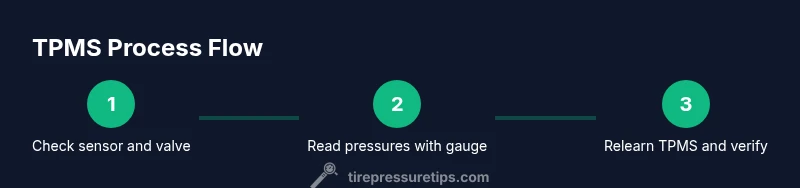
Begin with a visual inspection of each wheel for damaged sensors, corroded valve stems, or loose components. Use a digital tire pressure gauge to verify actual pressures when tires are cold. If a tire’s pressure is off, inflate to the recommended level and note any changes. A TPMS scan tool can pull fault codes from the system to help identify a specific sensor’s condition or a wiring issue. After inflating or servicing a tire, many Audi models require a relearn to reestablish the correct baseline. Keep a log of readings and events so you can track patterns over time.
Resetting TPMS After Inflating or Replacing Tires
Resetting or relearning the TPMS is often a straightforward process that uses the car’s menu or a compatible scan tool. Start by ensuring all tires are at the correct pressure when cold. Initiate the relearn procedure according to the Audi owner’s manual or your scan tool's instructions, then drive a short loop to allow the system to re-calibrate. If the light persists, a sensor may be weak or faulty and should be inspected by a professional. This approach aligns with Tire Pressure Tips' guidance on validating sensor health before replacing parts.
Seasonal Temperature Effects on TPMS Readouts
Ambient temperature directly affects tire pressure. Colder mornings can cause a slight drop in pressure, which may trigger the TPMS warning even if tires were recently inflated. As temperatures rise, pressures may increase, potentially changing the baseline readings. If you notice warning lights during seasonal transitions, recheck with a gauge and adjust as necessary. The audi tire pressure sensor will report these changes, but consistent verification with a gauge helps confirm real wear or leaks rather than a simple temperature shift.
When to Replace Audi TPMS Components
Sensors and valve stems wear with age, exposure to road debris, and repeated inflation cycles. Signs of degradation include erratic readings, slow response, or the dashboard warning appearing without a real change in tire pressure. If a sensor or the stem shows physical damage or the battery appears depleted (as indicated by repeated failures to report), replacement is warranted. Replacing parts is typically done with a compatible sensor kit and relearn procedure for your Audi model. Regular inspection during tire service helps catch issues early and minimize downtime.
Practical Maintenance Plan for Audi TPMS
Adopt a lightweight maintenance routine that fits your driving habits. Check tire pressures with a digital gauge every few weeks and after any long trip or temperature change. Have TPMS fault codes read during routine tire service, especially after tire replacement or wheel changes. Maintain your wheels and sensors by cleaning around the valve stems and inspecting seals to prevent leaks. Document dates and readings to build a history that supports troubleshooting. This plan, echoed by Tire Pressure Tips, emphasizes prevention over reactive fixes.
Tools & Materials
- Digital tire pressure gauge(Prioritize a gauge with a clear display and a wide range. Use when tires are cold for accuracy.)
- OBD-II TPMS scan tool(Select a tool compatible with Audi TPMS protocols to read fault codes and access relearn features.)
- Owner's manual(Consult the TPMS section for model-specific relearn steps and sensor care instructions.)
- Air compressor or portable inflator(Use with a gauge to adjust tire pressure precisely to the recommended level.)
- Replacement TPMS sensors or valve stems (optional)(Use only if diagnostics indicate a failed sensor or damaged stem.)
- Torque wrench or impact tool (optional)(Helpful when replacing sensors or removing wheels; follow manufacturer torque specs.)
Steps
Estimated time: 45-75 minutes
- 1
Gather tools and review vehicle specs
Collect the gauge, scan tool, and owner's manual. Confirm the Audi model's TPMS relearn requirements and the recommended tire pressures. This foundation ensures accurate testing and prevents unnecessary checks.
Tip: Having the right tools ready saves time and reduces repeated trips to the garage. - 2
Check all tires cold with a gauge
Measure current pressures on all tires using a digital gauge. Compare readings to the spec printed on the door jamb or owner’s manual. Note any tires well above or below the target range for follow-up checks.
Tip: Do not rely on the dashboard light alone; verify with a precision gauge for accuracy. - 3
Inspect TPMS components visually
Examine visible parts around the wheel area for damaged sensors, corroded connectors, or loose valve stems. Look for cracked seals and any sign of air leaks around the rims. Visual faults often precede electronic issues.
Tip: A quick visual scan can catch problems that gauges miss. - 4
Read fault codes with a scan tool
Connect the TPMS scan tool to retrieve any stored fault codes and sensor status. Codes point to faulty sensors, battery issues, or wiring faults that merit targeted repair.
Tip: Record codes for reference if you pursue professional service later. - 5
Inflate to recommended pressures
Inflate all tires to the vehicle’s recommended pressure, ensuring consistency across the tires. Recheck after inflation to confirm stability and note any changes in subsequent readings.
Tip: Inflate while tires are cold for the most accurate baseline pressure. - 6
Relearn or reset the TPMS
Use the Audi menu or a compatible scan tool to relearn the TPMS. Follow the procedure in the owner’s manual or tool guide, then drive the car for a short distance to allow the system to calibrate.
Tip: If the light remains after relearn, a sensor may be weak or faulty and should be inspected. - 7
Verify readings and document results
Drive short miles to confirm stability and repeat readings with the gauge. Keep notes of any continued warnings and patterns over time to inform future maintenance.
Tip: A simple log helps detect gradual sensor degradation early.
Frequently Asked Questions
What is TPMS and how does it work in an Audi?
TPMS stands for tire pressure monitoring system. In Audi, direct TPMS sensors in each wheel report real-time pressure to the vehicle computer, triggering warnings when readings fall outside the recommended range.
TPMS watches tire pressure in each wheel and alerts you if a tire seems low or if a sensor has an issue; Audi uses direct sensors in many models.
Why did my TPMS light come on after a cold night?
Temperature changes cause air pressure to shift. A warning after cold starts may be normal if the pressure crosses the threshold; recheck with a gauge and reassess as temperatures rise.
Cold weather can lower pressure and trigger the TPMS light; verify with a gauge and monitor as it warms up.
Is TPMS the same as using a tire pressure gauge?
TPMS provides automatic alerts and sensor readings, while a gauge gives manual pressure measurements. Use both for best accuracy and quick checks.
TPMS alerts you automatically, but a manual gauge confirms the exact pressure.
Can I reset TPMS myself, or do I need a professional?
Many Audi models allow relearn via the vehicle menu or a compatible scan tool. If unsure, consult the owner’s manual or a technician.
Yes, you can usually relearn TPMS yourself, but check the manual or get a tech if you’re unsure.
How often should TPMS batteries be replaced?
TPMS sensors contain batteries that gradually wear out. When readings become unreliable or sensors fail to report, replacement or servicing is recommended.
Sensor batteries wear out over time; replace or service when readings are unreliable.
Watch Video
What to Remember
- Check all tires with a gauge when cold.
- Relearn TPMS after servicing or tire changes.
- Use a scan tool to confirm sensor health.
- Address warnings promptly to prevent leaks or faults.