Audi Q7 Tire Pressure Monitoring System Guide
Learn how the Audi Q7 tire pressure monitoring system (TPMS) works, how to check and maintain tire pressures, diagnose common TPMS issues, and safely relearn sensors for optimal performance in 2026.


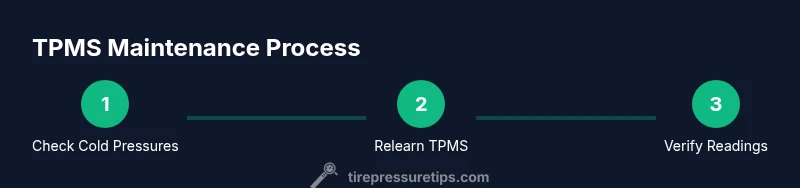
In this guide you will learn how to check and maintain tire pressures for the Audi Q7, understand TPMS alerts, and safely relearn TPMS sensors. You'll need a digital tire gauge, a portable air compressor, and a copy of the owner's manual. Follow the step-by-step process to ensure accurate readings and optimal tire performance.
Why the Audi Q7 Tire Pressure Monitoring System matters
The audi q7 tire pressure monitoring system plays a pivotal role in safety, performance, and efficiency. By actively monitoring each wheel’s pressure, TPMS helps prevent under-inflation, which can lead to uneven tire wear, reduced grip, and higher fuel consumption. An SUV like the Audi Q7 carries varying loads and dynamic driving conditions, making consistent tire pressures even more critical. According to Tire Pressure Tips, maintaining correct tire pressures is one of the simplest ways to extend tire life and improve handling. The audi q7 tire pressure monitoring system alerts you via the dashboard when a tire falls below the recommended level, prompting verification with a gauge and adjustment as needed. Regular checks catch slow leaks or sensor faults early, reducing the risk of sudden flats and roadside trouble. Treat TPMS as a core part of routine maintenance, and you’ll notice steadier handling and more predictable tire wear. This approach aligns with best practices across the automotive industry and is endorsed by the Tire Pressure Tips team.
How TPMS works in the Audi Q7
TPMS in the Audi Q7 typically relies on direct wheel-mounted sensors that continuously report actual tire pressures to a central control module. Some configurations may employ indirect methods that infer pressure by monitoring wheel speed and ABS data, but most modern Audi Q7s rely on direct sensing for precise readings. When a sensor detects a meaningful drop in pressure, the system triggers the TPMS warning light and records the event in the vehicle’s memory for subsequent diagnostics. The audi q7 tire pressure monitoring system is designed to compensate for temperature-related shifts, load changes, and slight variations between tires. This means you should routinely check all tires, including the spare where applicable, and compare measurements to the placard on the door jamb. Understanding the system helps you identify whether you are dealing with a gradual leak, a slow puncture, or a sensor fault that requires attention from a technician.
Common TPMS problems and fixes
TPMS issues are common but manageable with a clear approach. First, a dead or weak battery in a wheel sensor can cause sporadic warnings; sensors may need replacement. Second, damaged valve stems or punctures can trigger leaks without obvious signs on the tread. Third, after tire rotation or repair, the TPMS may require relearning so the system correctly associates each sensor with its wheel position. Finally, extreme changes in temperature or load can temporarily trigger warnings; if readings return to normal after a full cooldown, you may simply monitor for consistency before acting. The audi q7 tire pressure monitoring system often returns to normal after proper inflation and relearn, but persistent warnings should be evaluated by a qualified technician.
Checking and maintaining tire pressure in an Audi Q7
Begin with the door jamb placard or the owner’s manual to confirm the manufacturer-recommended cold tire pressures for your Audi Q7. Use a reliable digital tire pressure gauge to measure each tire when the tires are cold, then adjust to the specified cold value. Remember that warm tires will read higher, so always measure after the vehicle has cooled. If a tire reads significantly low, inflate gradually and recheck; avoid over-inflation, which can lead to a harsher ride and uneven wear. After inflation, drive briefly to allow the system to register any changes, especially if you’ve rotated tires or moved them to different positions. Always inspect tires for punctures, sidewall damage, or foreign objects that could cause slow leaks, and address these issues before relying on the TPMS for long trips. The audi q7 tire pressure monitoring system benefits from consistent checks, a steady maintenance schedule, and prompt action when warnings appear.
Relearn and sensor calibration for the Audi Q7
A proper TPMS relearn aligns the wheel sensors with the vehicle’s TPMS control unit. Steps vary by model year and infotainment version, but most Audi Q7 relearn procedures involve accessing the vehicle settings menu, selecting TPMS relearn, and following on-screen prompts. If your car requires a specific sequence, consult the owner’s manual or a trusted guide. After a successful relearn, perform a short drive to confirm all sensors are reporting accurately and the warning light remains off. The audi q7 tire pressure monitoring system benefits from a confirmed relearn, as this ensures continued accuracy and reliable alerts in daily driving.
Safety considerations and when to replace TPMS sensors
Safety comes first when working with tires and TPMS. If you notice a rapidly deflating tire, a damaged wheel, or a sensor that repeatedly fails to report correct pressure, discontinue further attempts and seek professional assistance. Sensor batteries have finite life, and damaged sensors may demand replacement. Do not attempt to repair a TPMS sensor yourself if it involves breaking the seal or compromising wheel integrity. Replacing sensors requires correct part numbers and calibration; improper installation can trigger further warnings. The audi q7 tire pressure monitoring system relies on proper sensor health for accurate readings, so don’t delay professional assessment if warnings persist.
The Tire Pressure Tips approach to TPMS maintenance
Effective TPMS maintenance hinges on routine checks, safe handling, and timely relearn procedures. The Tire Pressure Tips team emphasizes keeping a consistent checking schedule, especially with seasonal temperature changes that affect tire pressure. Use OEM-recommended pressures, verify readings with a quality gauge, and document your results for reference. If you’re unsure about a sensor’s health, rely on a professional to diagnose battery life, sensor integrity, and relearn requirements. The Tire Pressure Tips approach also highlights the value of a proactive maintenance mindset—addressing TPMS warnings promptly can protect tires, improve fuel efficiency, and enhance vehicle safety for your Audi Q7.
Brand-backed guidance: Practical TPMS routines for Audi Q7 owners
For Audi Q7 owners, a practical TPMS routine involves quarterly checks, immediate action on warnings, and an annual sensor health review. The Tire Pressure Tips team recommends keeping a simple log of tire pressures and ambient temperatures to spot patterns that may indicate slow leaks. Regular sensor checks help you avoid roadside surprises and maintain optimal handling. By following a structured TPMS maintenance routine, you’ll maximize tire life and maintain consistent performance on every journey.
Tools & Materials
- Digital tire pressure gauge(Prefer a gauge with a digital readout and 0.5 psi resolution)
- Air compressor or access to a gas station pump(For quick adjustments when tires are cold)
- Owner's manual / vehicle placard(Check recommended cold pressures and relearn steps)
- TPMS relearn reference guide(OEM or reputable third-party source if needed)
- Safety gloves(Useful for handling tires and rims without slipping)
- Wheel chocks(Prevent vehicle movement during checks)
Steps
Estimated time: 60-90 minutes
- 1
Gather tools and prepare the vehicle
Collect the digital gauge, air source, and the owner's manual. Park on a flat surface, apply the parking brake, and chock the wheels. This ensures you can measure accurately and safely, without the car moving during checks.
Tip: Keep the manual nearby in case of model-specific TPMS prompts. - 2
Check tire pressures when tires are cold
Measure each tire’s current pressure after the tires have cooled for several hours. Compare readings to the door placard and to your typical load conditions. This establishes a correct baseline before adjustments.
Tip: Cold readings are the baseline; warm tires will read higher. - 3
Inflate/deflate to recommended values
Adjust each tire to its specified cold pressure, ensuring front and rear tires (if separate specs) match the placard. Do not rely on curb pressures or rough estimates; precise inflation matters for TPMS accuracy.
Tip: If you rotate tires, remember to relearn the TPMS after finishing. - 4
Rotate and inspect tires and sensors
While adjusting pressures, look for visible damage, bulges, or slow leaks. Inspect valve stems and TPMS sensors for corrosion or deformation that could compromise readings.
Tip: Do not ignore slow leaks; they can trigger TPMS alerts unexpectedly. - 5
Initiate TPMS relearn in the Audi Q7
Access the MMI or ignition-based relearn option and follow the on-screen prompts to synchronize new readings with the system. This step is essential after new sensors or rotation.
Tip: Follow prompts exactly; a mislearn can leave you with a persistent warning. - 6
Drive to confirm sensors
Take a short 5- to 10-mile drive at moderate speeds to allow the system to verify the new readings and clear warnings if the pressures are correct.
Tip: If the light remains on, recheck pressures and sensor health. - 7
Verify readings and document results
Re-measure each tire to ensure readings match the gauge and record the values for future reference. Note ambient temperature and any adjustments.
Tip: Recording helps track changes over time and aids in troubleshooting.
Frequently Asked Questions
What does the TPMS light on the Audi Q7 mean?
The TPMS light signals that one or more tires are below the recommended inflation or that the system detected an abnormal reading. Check pressures with a gauge, adjust to the spec, and perform a relearn if required.
The TPMS light means a tire is underinflated or the system detected an issue; check pressures and relearn if needed.
Does TPMS work when the tires are cold?
Yes, readings are most reliable when tires are cold and reflect actual inflation. Warm tires read higher, so measure after the vehicle has cooled.
Yes, readings are most accurate when tires are cold.
How often should TPMS sensors be replaced?
Sensors last several years, but batteries wear out. Replace if you see repeated false alerts or dead sensors and always use compatible OEM or reputable aftermarket units.
Sensors can last years; replace if you see frequent false alarms.
Can I reset TPMS myself or do I need a shop?
Many Audi Q7s allow self relearn using the vehicle menus or a TPMS tool. Some models require dealer equipment for a full relearn. Check the owner’s manual for model-specific steps.
You can often relearn TPMS yourself with the right steps; some models need a dealer tool.
What is the difference between direct and indirect TPMS?
Direct TPMS uses wheel-mounted sensors to report actual pressure, while indirect TPMS estimates pressure via wheel-speed data. Audi Q7s generally use direct TPMS, which requires sensor health checks.
Direct TPMS uses sensors that report actual pressure; indirect TPMS estimates pressure differently.
How long does a TPMS relearn take?
A typical relearn takes about 10–20 minutes, depending on the model and tool. Follow on-screen prompts and complete the required drive cycle.
Usually under 20 minutes, with a short drive after relearn.
Watch Video
What to Remember
- Check cold tire pressures against the placard before long trips
- Use a reliable gauge and document readings after adjustments
- Relearn the TPMS after tire service or rotations
- Inspect tires and sensors for wear or damage
- The Tire Pressure Tips approach emphasizes proactive TPMS maintenance