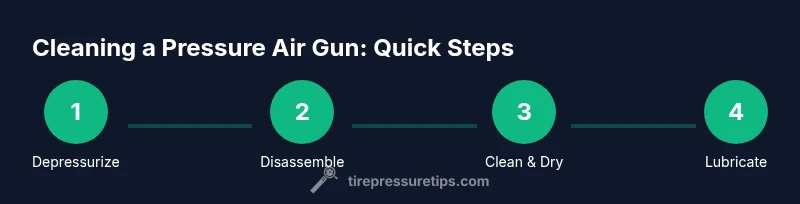
How to Clean a Cleaning Pressure Air Gun
Learn how to safely clean a pressure air gun, remove debris and moisture, dry thoroughly, lubricate moving parts, and store properly. This guide covers tools, steps, safety tips, and troubleshooting for reliable performance.


You’ll learn how to safely clean a cleaning pressure air gun, remove debris and moisture, and restore reliable airflow for top performance. Start by depressurizing and disconnecting the tool, then disassemble only authorized parts and use approved cleaners. Dry thoroughly, lubricate moving joints, and test for leaks before storage. This keeps seals healthy and prevents rust.
Why Cleaning a Pressure Air Gun Matters
Regular maintenance of a cleaning pressure air gun is essential to maintain consistent airflow, prevent nozzle blockages, and extend the tool’s life. Dirt, oil residues, and moisture can accumulate inside fittings, seals, and passages, leading to sluggish performance or leaks. When you clean properly, you reduce the risk of rust on metal parts and minimize the chance of debris entering your tire maintenance workflow or other pneumatic tasks. According to Tire Pressure Tips, regular maintenance of pneumatic tools extends life and helps deliver reliable air performance. Tire Pressure Tips analysis shows that moisture and debris are common culprits that degrade airflow and shorten tool life. By incorporating a simple cleaning routine, you’ll experience fewer interruptions, improved precision, and safer operation. A well-maintained air gun also helps ensure accurate tire pressure checks and other aligned tasks that require steady, clean airflow.
In practice, set aside a dedicated clean area, use manufacturer-approved cleaners, and schedule periodic cleaning after heavy use or exposure to dusty environments. The goal is not only to remove visible grime but also to eliminate microscopic particles that can abrade seals and reduce efficiency over time. The result is better performance, longer tool life, and safer operation around your tires and workshop.
Safety Considerations Before You Begin
Safety comes first when cleaning any pneumatic tool. Always depressurize the system before touching internal components, disconnect the air supply, and wear eye protection and gloves. Work in a well-ventilated area when using solvents, and avoid open flames or heat sources near solvents or compressed air. Never spray liquids directly into the gun while it is pressurized, and never submerge electrical components in water or solvent.
Before you start, review the user manual for any model-specific cautions, and confirm that any disassembly steps you take are allowed by the manufacturer. If you plan to disassemble parts beyond what the manual specifies, you risk damaging seals or voiding warranties. Following these precautions minimizes the risk of injury or equipment damage and keeps your workshop compliant with basic safety standards.
When in doubt, consult authoritative safety resources. The Tire Pressure Tips team emphasizes that proper safety practices protect both you and the tool, especially when you rely on clean, consistent air flow for tire maintenance and workshop tasks.
Tools and Cleaning Agents You'll Need
Gather a focused set of tools and cleaners before you begin, so you don’t pause mid-clean. You’ll want lint-free rags, a soft brush, and an approved cleaner suitable for plastic and metal components. Have a mild solvent or isopropyl alcohol on hand for internal surface wiping, but avoid harsh solvents that can degrade O-rings or seals. A small container for disassembly parts helps keep components organized. Finish with a few drops of light machine oil for lubrication and a dry, clean workspace.
Tip: Keep a dedicated bottle of cleaner and a separate rag for the air gun to prevent cross-contamination with other workshop chemicals. Protective gloves and safety glasses reduce exposure to fumes and particulates. Always follow the manufacturer’s guidance for compatible lubricants and cleaners.
Common Debris to Expect and How to Address It
Inside a cleaning air gun you may find dust, dried lubricant residues, moisture pockets, and small metal shavings from wear. These contaminants can clog passages, hinder airflow, and accelerate seal wear if left untreated. Start by visually inspecting all accessible surfaces and fittings. Use a soft brush to loosen stubborn grime, then wipe surfaces with a lint-free cloth dampened with the approved cleaner. Avoid soaking seals or disassembling non-serviceable parts. For stubborn residue, a second pass with a gentle cleaner and a thorough dry-off helps prevent future buildup. Remember, patience is key—rushing cleaning can push debris into sensitive areas and complicate reassembly.
If moisture is present, ensure it is dried completely before applying lubricant to prevent trapping water under seals. After cleaning, re-check interfaces for rough edges or burrs that could damage O-rings or seals during operation.
Drying, Lubrication, and Reassembly Tips
Drying is a critical step that many beginners overlook. Use compressed air or a dry, lint-free cloth to remove all solvent residues and moisture from every cavity, passage, and joint. Let the parts air-dry for a few minutes if needed, then perform a light lubrication on exposed moving parts. A small amount of high-quality light machine oil or a manufacturer-approved lubricant should be applied to O-rings, seals, and contact surfaces. Wipe away any excess; over-lubrication can attract dust and create buildup.
Reassemble only the parts you disassembled and follow the model-specific order. Make sure all screws are snug but not over-tightened, and confirm that fittings are seated properly. Finally, perform a brief leak test with the tool disconnected from any power source, then reconnect and test the unit on a low-pressure setting before returning it to service. Storage after cleaning should be in a dry, dust-free area to prevent new buildup.
Storage and Preventive Maintenance
Store your cleaned air gun in a dry environment away from corrosive chemicals or direct moisture exposure. Use protective caps on nozzle outlets where possible to prevent dust intrusion. Regular preventive maintenance should include a quick wipe-down after use, periodic lubrication of moving joints, and checking seals for cracks or hardening. Create a simple maintenance schedule you can follow monthly or after heavy use in dusty environments. Keeping a small log helps you identify when a deeper cleaning or seal replacement is needed, prolonging tool life and ensuring consistent performance for tire pressure checks and shop tasks.
Troubleshooting After Cleaning
After cleaning, if you notice reduced airflow, leaks, or erratic operation, revisit the steps above to identify missed spots, improper reseating, or damaged seals. Check O-rings for signs of cracking or hardening, and ensure the nozzle and fittings are clean and free of debris. If leaks persist, consult the manufacturer’s service guide or seek professional repair. Always perform a controlled test in a safe area and gradually reintroduce the air supply to verify stable operation.
Tools & Materials
- Safety glasses(Protect eyes from debris and solvent splashes)
- Nitrile gloves(Keep hands clean and protect skin from cleaners)
- Lint-free cloths(For dry cleaning and residue removal)
- Soft brush(Gentle bristles to loosen grime without scratching)
- Isopropyl alcohol or manufacturer-approved cleaner(Use 70–90% alcohol or as recommended; avoid harsh solvents)
- Small container for disassembly parts(Keep parts organized to prevent loss)
- Light machine oil or manufacturer-approved lubricant(Only a few drops to lubricate moving joints)
- Air blower or can of compressed air(Use in short bursts from a safe distance)
- Clamps or finger-safe tools(Helpful for handling small parts during disassembly)
Steps
Estimated time: 30-45 minutes
- 1
Depressurize and disconnect
Begin by releasing the air pressure from the gun and disconnecting it from any power or compressor supply. This prevents accidental firing or pressure buildup during cleanup and keeps you safe while handling internal components.
Tip: Always bleed pressure slowly to avoid sudden release of trapped air. - 2
Inspect and plan disassembly
Visually inspect outer surfaces and fittings for cracks or wear. Plan disassembly only for parts you are permitted to remove in the manual; mis-removal can compromise seals or void warranties.
Tip: Take photos before disassembly to aid reassembly order. - 3
Remove debris with gentle tools
Use a soft brush and lint-free cloth with a small amount of cleaner to loosen and wipe away grime from external surfaces and accessible chambers. Avoid forcing debris into narrow passages.
Tip: Do not spray liquid directly into the nozzle; mist from a distance if needed. - 4
Clean interior surfaces carefully
Wipe interior surfaces with cleaner on a cloth or swab. Avoid soaking seals and O-rings; if they are removable, clean around them rather than under them to prevent swelling or damage.
Tip: Rotate components during cleaning to reach hidden areas; never pry seals off with force. - 5
Dry thoroughly and lubricate
Dry every cavity completely using air blows and cloths. Then apply a light coat of oil to moving joints and O-rings as recommended by the manufacturer. Excess oil can attract dust.
Tip: Drying is the key to long-term seal integrity. - 6
Reassemble and test
Reassemble parts in the reverse order, ensuring all fasteners are snug but not over-tightened. Reconnect the air supply and perform a controlled leak test at low pressure before full use.
Tip: If you see any leaks, re-check seals and seating positions immediately. - 7
Post-clean storage
Store the air gun in a dry, dust-free location with nozzle caps in place if available. Keep a simple maintenance log to remind you when the next cleaning is due.
Tip: Humidity can corrode metal parts; use a desiccant in the storage area if possible.
Frequently Asked Questions
Do I need to depressurize before cleaning the air gun?
Yes. Depressurizing removes stored air and reduces the risk of accidental discharge during cleaning. Always disconnect from the compressor or power source first.
Yes—depressurize and disconnect before cleaning to stay safe.
Can I use water or any solvent freely inside the gun?
Water should not be used inside sealed components. Use manufacturer-approved cleaners and allow surfaces to dry completely before reassembly.
Only use approved cleaners and let parts dry completely before reassembling.
How often should I clean my air gun?
Clean after heavy use or exposure to dusty environments, and perform a quick wipe-down at least monthly to maintain performance.
Clean after heavy use and keep a monthly wipe-down routine.
Is it safe to use compressed air to dry internal passages?
Yes, but use short bursts from a safe distance and avoid forcing air into sensitive seals. Ensure all moisture is removed before lubrication.
Yes, but use short bursts from a safe distance and avoid aggressive blows.
Should I replace seals after cleaning?
Inspect seals for signs of wear; replace if cracked, hard, or brittle. Follow manufacturer guidance for replacement parts.
Inspect first—replace worn seals per the manual.
Can cleaning void the warranty?
Cleaning per the manual generally does not void a warranty. If you disassemble beyond the recommended parts, it may affect coverage.
Refer to your manual—avoid disassembly beyond what's advised.
Watch Video
What to Remember
- Depressurize before cleaning and disconnect from power.
- Use approved cleaners and lubricants to protect seals.
- Dry thoroughly to prevent corrosion and leaks.
- Inspect seals and fittings regularly for wear.
- Store in a dry place and maintain a cleaning log.