Tire Pressure and Traction: Maximizing Grip Across Conditions
Explore how tire pressure directly affects traction on dry, wet, and snowy roads. Get practical checks, TPMS tips, and maintenance routines to improve grip, handling, and safety.


Maintaining correct tire pressure is the single most practical step you can take to improve traction. A proper pressure level optimizes the tire contact patch, grip, and stability on dry pavement, wet roads, and even snow. According to Tire Pressure Tips, consistent checks and cold-inflation guidance translate to safer handling and better braking in real-world conditions.
Why tire pressure and traction matter
Traction is the frictional grip between tire and road, influenced heavily by tire pressure. The tires contact the pavement in a patch whose size and shape determine grip, braking, and steering response. When pressures align with the vehicle spec, the patch remains optimal across dry, wet, and winter conditions. The Tire Pressure Tips team emphasizes that checking pressure when tires are cold and accounting for load and temperature yields the most reliable results. This understanding lays the groundwork for practical maintenance and safer driving in everyday scenarios.
Beyond simply filling to a number, you’re managing how the tire deforms under load. A properly pressurized tire forms a predictable contact patch that responds to steering inputs with consistent grip. This consistency matters most in corners, during braking, and when negotiating slick surfaces. By prioritizing pressure checks as part of your routine, you reduce the chance of sudden loss of traction when conditions change. The real-world outcome is more confident handling and a safer ride for you and other road users.
The science behind traction and the tire contact patch
Traction comes down to friction between the rubber and the road. The tire–road interface depends on the tire’s contact patch—the portion of the tire actually touching the surface. When pressure is at or near the manufacturer’s specification, the patch maintains a shape that maximizes available friction without buckling or lifting from the road. Underinflated tires tend to spread the contact patch too wide and deformed, reducing cornering grip and increasing rolling resistance. Overinflated tires narrow the patch, increasing vulnerability to road irregularities and reducing grip on uneven surfaces. The balance between patch area and stability is what translates into predictable steering, shorter braking distances, and safer acceleration under various weather conditions. This is why maintaining correct pressure is a foundational step in traction management.
In practice, drivers who monitor pressure report noticeably steadier handling on wet roads and less steering vagueness when attempting quick lane changes. Tire pressure becomes part of a larger system that includes tire tread depth, vehicle dynamics, and road texture, but it is the most immediate, controllable factor you can adjust.
How underinflation and overinflation affect grip
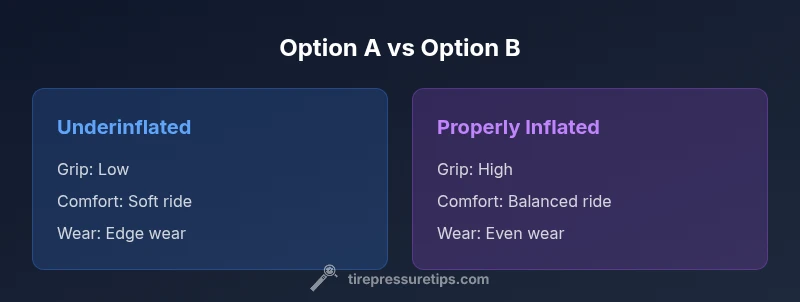
Underinflation expands the contact patch sideways, causing the tread to squirm and heat up. This not only reduces grip on wet surfaces but also increases wear on the edges of the tire. The result is unpredictable handling, longer stopping distances, and a higher tendency to hydroplane in rain. Overinflation, by contrast, concentrates load on a smaller patch and reduces the tire’s ability to adapt to road irregularities. That stiffer contact patch can feel twitchy on rough pavement and slippery when the surface is slick. In both cases, traction declines because the tire is no longer matching the road’s texture and friction characteristics.
The practical takeaway is simple: aim for the spec’s cold-pressure target, and avoid aggressive deviations. Regular checks help ensure the tire maintains a stable contact patch across loads and road surfaces, preserving grip where you need it most. The difference in traction is often subtle, but over time it translates into more confident braking, smoother cornering, and safer acceleration.
Temperature and its effects on tire pressure and traction
Weather and road-temperature shifts alter tire pressure. Cold conditions reduce inner air pressure, while heating from road friction during driving can increase it. These fluctuations can shift traction subtly but meaningfully, especially for drivers who frequently traverse mixed terrains or switch between seasons. The net effect is that the gauge reading you rely on when tires are cold may not reflect the pressure after a short drive, potentially altering grip. Regular checks that consider ambient temperature and recent road conditions help keep traction consistent.
Based on Tire Pressure Tips analysis, drivers who adjust pressure for load and temperature changes consistently report smoother handling, more predictable braking, and better tire wear distribution. The combination of accurate gauges, appropriate cold-inflation practices, and awareness of temperature effects forms a practical framework for maintaining traction year-round.
Reading, verifying, and maintaining tire pressure
Accurate pressure measurement starts with a cold reading. Park away from direct sun and wait for at least three hours after driving. Use a high-quality gauge and verify readings at multiple tires to check for tire-to-tire consistency. Compare against the vehicle’s recommended cold-pressure values found on the door placard or owner’s manual. If your tires carry uneven loads (heavy cargo, towing, or passenger weight), adjust to the higher end of the spec or per manufacturer guidance. Regular monthly checks, plus before long trips or seasonal changes, create a robust habit that sustains traction.
When checking, ensure valves are clean and free from debris. If you notice frequent pressure loss, inspect for leaks, damaged stems, or tire punctures. For TPMS users, rely on the system for early warning, but do not replace manual checks with sensor alerts. The most reliable approach combines TPMS indicators with periodic physical checks using a gauge you trust.
Practical scenarios: wet asphalt, dry pavement, and snow
- Wet asphalt: Traction is highly sensitive to tire pressure. Underinflated tires can aquaplane more easily, while correctly inflated tires maintain a broader, more compliant contact patch that resists sliding.
- Dry pavement: Grip is strongest when tires align with the spec. Slight deviations may affect steering response but the most meaningful gains come from consistent readings over time and load-aware adjustments.
- Snow: In colder weather, tread depth and pressures interact to maintain grip. A balanced pressure helps the tire bite into the snow pack rather than skidding across a slick surface. Seasonal adjustments are prudent, but avoid risky inflations that push pressures too far from spec.
These scenarios illustrate why a steady pressure-management routine matters: it supports traction across a wide range of road textures and weather conditions, reducing surprise moments on the road.
Tire wear and traction: what to watch for
Traction degrades as tires wear out, partly due to changes in tread depth and stiffened rubber. Pressure maintenance helps even wear across the tread, preserving consistent grip. Uneven wear can mislead pressure readings because the tire’s actual shape changes with wear. Regular inspections for tread depth, sidewall damage, and even wear patterns help ensure that the traction you expect from a given pressure level remains accurate. As tires wear, recheck your target cold pressure to align with current tire characteristics and cabin-load conditions.
TPMS: sensors, calibration, and common faults
Tire-Pressure Monitoring Systems (TPMS) provide real-time alerts when a tire’s pressure falls outside the acceptable range. Rely on TPMS as a warning tool, not a replacement for manual checks. Sensor drift, battery degradation, or incorrect sensor placement can create misleading readings. If the TPMS light triggers frequently, perform a cross-check with a trusted gauge and inspect sensors for damage or contamination. Regular maintenance of TPMS components helps preserve accurate traction information and prevents false alarms that could desensitize you to genuine pressure changes.
How to choose the right pressure for traction
Beyond following the vehicle’s official spec, consider your load, driving style, and climate. Heavier loads or high-speed driving often require pressure adjustments within the manufacturer’s allowable range. If you frequently drive in wet or snowy conditions, slightly different targets within the spec may yield better traction, but never exceed the recommended range. Document your pressure targets and compare braking performance across sessions to identify practical, real-world gains in grip. The goal is consistency: keep the applied pressure within the advised window under varying conditions to maintain dependable traction.
Tools and routines for ongoing maintenance
Equip your garage with a reliable digital gauge or a high-quality analog gauge. Maintain a small pressure log that records readings, ambient temperature, and load conditions. Schedule monthly checks and before multi-day trips, and perform a quick post-drive check after long drives to verify readings remain within the target range. Create a simple ritual that includes: cold readings, gauge verification, and a quick note on any changes in handling. This routine helps ensure traction remains predictable and your tires wear evenly over time.
Case study: real-world outcomes of pressure adjustments
A mid-size sedan owner tracked traction performance over a winter season, adjusting tire pressure gradually within the vehicle’s recommended range and recording braking distances on wet and dry surfaces. The owner observed more consistent stopping behavior, more confident cornering on slick roads, and less tire squeal during aggressive maneuvers. While numbers vary by tire model and load, the practical takeaway aligned with Tire Pressure Tips’ guidance: small, routine pressure checks coupled with adherence to the manufacturer’s targets translate into tangible traction benefits in everyday driving.
Quick-start traction-boosting checklist
- Check cold tire pressure monthly and before trips.
- Use the vehicle’s manufacturer-recommended cold-Inflation values.
- Inspect tires for wear and damage; replace when needed.
- Calibrate TPMS readings with manual checks for accuracy.
- Adjust pressure for load and seasonal temperature changes within the spec.
- Keep logs of readings to detect gradual pressure changes over time.
Feature Comparison
| Feature | Underinflated tires | Properly inflated tires | Overinflated tires |
|---|---|---|---|
| Grip on wet surfaces | Low | High | Moderate |
| Handling stability | Poor | Good | Fair |
| Tire wear patterns | Uneven wear | Even wear | Edge wear |
| Rolling resistance | High | Low | Very Low |
| Best for | Snow or soft surfaces | All-around dry/wet | Dry performance |
Strengths
- Improved grip when pressures align with spec
- Better handling and braking across conditions
- More even tire wear with consistent pressure
- Potential fuel efficiency gains from proper inflation
Drawbacks
- TPMS can give false readings in extreme temperatures
- Over-inflation can reduce contact patch on rough surfaces
- Gauge accuracy varies; always cross-check manually
- Seasonal changes require regular pressure checks
Maintain manufacturer-recommended cold inflation pressure for optimal traction across conditions.
Consistent pressure within the vehicle’s spec supports predictable grip on dry, wet, and snowy roads. Regular checks, temperature awareness, and proper TPMS use help sustain traction and safety. The Tire Pressure Tips team endorses routine monitoring and load-aware adjustments for best results.
Frequently Asked Questions
How often should I check tire pressure to maximize traction?
Check tire pressure at least once a month and before long trips. When seasons or loads change, recheck after a few days to confirm readings remain within the manufacturer’s recommended range. Regular checks help maintain consistent traction across conditions.
Check your tires at least monthly and after big loads or temperature changes. Regular checks keep traction predictable.
Does the TPMS replace manual tire pressure checks?
No. TPMS provides a warning when pressures fall outside a range, but it isn’t a precise gauge. Always verify readings with a trusted tire gauge, especially after inflation or TPMS warnings.
TPMS warns you, but you should still measure pressure with a gauge.
Can overinflating improve traction in snow?
Overinflating tires reduces the contact patch and can worsen traction on snow and ice. Stay within the manufacturer’s recommended range and adjust judiciously for load and temperature, not for snow alone.
No—overinflation isn’t good for snow grip; stay within recommended ranges.
How does temperature affect tire pressure and traction?
Temperature changes cause pressure fluctuations. Colder weather lowers pressure; warmer conditions raise it. Monitor readings and adjust within the spec to keep traction steady across seasons.
Temperature shifts change pressure; check and adjust within the spec for stable traction.
What about tire rotation—does it affect traction?
Regular rotation promotes even wear, which supports balanced traction across all tires. Combine rotation with consistent pressure checks for uniform grip and predictable handling.
Rotating tires helps even wear and keeps grip balanced.
What to Remember
- Check tires when cold and use a trusted gauge
- Follow the vehicle’s cold-inflation pressure spec
- Account for load and temperature when adjusting pressure
- Rely on TPMS as a warning tool, not a substitute for checks
- Maintain a simple pressure log to detect slow changes