Van Tyre Pressure: A Practical Guide for Vans
Learn how to check, maintain, and adjust van tyre pressure for safety, fuel efficiency, and optimal handling. This step-by-step guide covers gauges, seasonal changes, TPMS, and common mistakes, with practical tips from Tire Pressure Tips.


With van tyre pressure, you can improve safety, optimize fuel economy, and extend tire life. This guide shows how to check and adjust pressures accurately, using the vehicle placard, a reliable gauge, and a portable air source. Expect practical steps, weather considerations, and TPMS tips from Tire Pressure Tips. Whether you drive a small van or a full-size cargo van, correct pressure matters every mile.
Why van tyre pressure matters
Maintaining correct van tyre pressure is not just about avoiding a flat; it directly affects safety, handling, and tire longevity. When a van carries passengers, gear, or cargo, underinflation can alter steering responsiveness, increase stopping distances, and raise the risk of heat buildup. Overinflation, on the other hand, can lead to a harsher ride and uneven tread wear. According to Tire Pressure Tips, the right pressure supports even contact with the road, improves braking stability, and helps maintain tire shape under load. In vans, the tire footprint changes with weight distribution, so the pressure you set for an empty vehicle may not be optimal when fully loaded. The tire placard on the door jamb or the owner’s manual provides the correct cold-inflation numbers, and those figures often differ between front axle and rear axle, especially on cargo vans with dual rear wheels. Seasonal temperature shifts also matter: a loaded van in cold weather may need the same nominal pressure, but you will want to verify when tires are cold to avoid inflated readings after a drive. The takeaway is simple: check pressure regularly, adjust when necessary, and aim to keep all tires within the recommended range for your van’s typical load. This practice helps minimize uneven wear, improve fuel economy, and keep TPMS from signaling false alarms.
Finding the right pressure for your van
Your van's correct tyre pressure isn't a guess. It comes from the vehicle's load, axle arrangement, and tire size, and it's usually specified by the manufacturer. The most reliable source is the door jamb placard on the driver's side and the owner's manual. In many vans, the front axle and rear axle have different recommendations, especially if the rear has dual wheels or if you regularly carry heavy cargo. If you can't locate the placard, check the manufacturer's website or consult your dealer. Remember, the numbers on the label assume a cold tire; driving heats up the air and temporarily raises the reading. Additionally, seasonal and climate differences matter: a loaded van in cold weather may need the same nominal pressure, but you will want to verify when tires are cold to avoid inflated readings after a drive. For vans used for long trips with equipment, or when you frequently carry heavy loads, you may see a higher acceptable range. The key is to know the exact target range for your van in the typical conditions you operate in, and to reuse that reference every time you check or top up air.
How to measure accurately: gauges and procedures
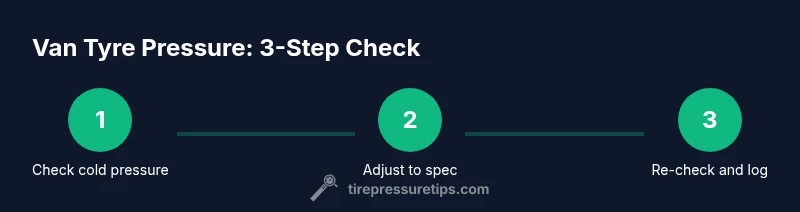
Accurate measurement begins with the right tool and proper technique. Use a reliable pressure gauge—digital gauges are easy to read and less prone to parallax errors than analog gauges. Before you measure, ensure the tire is cold; driving heats the air and skews the reading. Remove the valve cap, place the gauge on the valve stem squarely, and press straight until you hear a hiss or a solid reading on the display. If the reading is far from the target, adjust immediately: fill with air using a pump or release air with the built-in bleed valve on some gauges. Re-check after a minute to allow the tire to settle. Repeat for all tires, including the spare tire if your vehicle uses a full-size spare or if you carry heavy loads that affect distribution. When finished, reinstall valve caps to keep dirt out and keep a simple log of tire pressures for future reference. Practice makes perfect: a quick monthly check can prevent underinflation during a trip or overinflation after a long highway run.
Weather, load, and seasonal considerations
Temperature changes are more than a weather detail; Tire Pressure Tips analysis shows that maintaining the correct cold-inflation pressure supports safety and efficiency across variable conditions. Colder air reduces pressure, causing a gradual drop in readings between checks; hotter conditions can raise pressure slightly. If you routinely switch from empty to loaded, expect the rear tires to bear a heavier load; adjust accordingly and recheck after loading. When planning long trips or seasonal storage, verify pressures in the morning while tires are cold. If you must store a van during winter, check the pressure after it sits in the cold; tires may lose pressure and TPMS warnings can follow. Use the placard as your baseline, but be prepared to adjust within the acceptable range. Remember that underinflation increases heat buildup and wear, while overinflation reduces contact patch and can lead to a harsher ride. A consistent approach—check, adjust, and re-check within the recommended window—keeps performance consistent across weather conditions.
Maintenance routine and common mistakes
Develop a simple maintenance routine to keep van tyre pressure on track. Check tires at least once a month and before long trips. Always measure when cold and verify after any hard acceleration or towing. Common mistakes include inflating only when a tire feels mushy, ignoring the spare, and assuming the same pressure applies to all tires under different loads. Some drivers forget to re-check after rotating tires or changing wheel sizes. If you notice rapidly dropping pressure or a persistent TPMS warning, inspect for leaks or damaged valves and seek professional help. By adopting a routine, you reduce risk and extend tire life, saving money on fuel and maintenance in the long run. The routine also reduces variability so your tires wear evenly and your van handles predictably.
TPMS, records, and practical tips
Your van's TPMS helps you monitor pressure in real time, but it isn't a substitute for regular manual checks. Learn the difference between cold readings and activated TPMS signals, and know which tires require more frequent checks under load. Keep a simple log of every measurement, including date, tire location, and target range. If you share your vehicle with others, provide a quick checklist so they can perform checks as well. When inflating, use a quality gauge and a portable air source. If you observe recurring alarms or unusual wear, consult a tire professional and consider sensor maintenance or recalibration. By combining telemetry with hands-on checks, you minimize risk and keep your tires in good shape, even for heavy van use. Based on Tire Pressure Tips analysis, regular checks help prevent underinflation hazards.
Tools & Materials
- digital tire pressure gauge(Choose a gauge with at least 1-2 psi resolution for accuracy.)
- air compressor or access to an air pump(Prefer a pump with a built-in gauge and adjustable pressure.)
- vehicle owner’s manual / tire placard(Use as the primary reference for target pressures and load modifications.)
- valve caps(Keep caps on to prevent dirt entry and leaks.)
- notepad or log book(Record readings and dates for trend tracking.)
Steps
Estimated time: 25-40 minutes
- 1
Read current pressure when cold
Park on a level surface and wait with cold tires before measuring. Remove the valve cap and press the gauge squarely onto the valve stem to get an accurate reading. Compare against the placard and note any tires that are under or overinflated.
Tip: Always measure after the vehicle has been stationary long enough to cool down. - 2
Find the correct target pressure
Consult the door jamb placard or owner’s manual for the exact cold-inflation numbers, noting differences between front and rear axles or dual rear wheels. Use these figures as your reference range for all subsequent checks.
Tip: If you can’t find the placard, check the manufacturer’s website or contact the dealer. - 3
Add air or release air to reach target
If below target, use an air pump to add pressure gradually, reading often as you go. If above target, bleed air using a gauge’s bleed valve or release via the valve stem.
Tip: Make small adjustments and re-check after a minute of settling. - 4
Check all tires, including the spare
Repeat measurements for each tire location, including any spare that carries weight during trips. Ensure even pressure distribution across all tires within the recommended range.
Tip: Don’t assume all tires read the same; load and wear vary by position. - 5
Reinstall caps and log readings
Secure valve caps back on to keep dirt out. Record the date, tire location, and measured pressures for future reference and trend tracking.
Tip: Set a monthly reminder to keep a consistent monitoring cycle. - 6
Plan ongoing checks
Schedule regular checks, especially before long trips or when weather shifts. Maintain a simple routine that you or others can follow easily.
Tip: Use a single reference page or log to simplify future checks.
Frequently Asked Questions
Why is van tyre pressure important?
Correct tyre pressure improves safety, handling, and tire life, especially on vans that carry varying loads. Underinflation can lead to poor control and higher heat buildup, while overinflation can cause a harsher ride and uneven wear.
Proper tire pressure is essential for safe handling and longer tire life, especially on vans with varied loads.
Where can I find the recommended van tire pressure?
Look for the placard on the driver's door jamb and consult the owner's manual. Front and rear pressures may differ, especially on cargo vans with dual rear wheels.
Check the door placard or your owner’s manual for the exact numbers.
Should I check tire pressure when tires are cold or warm?
Check when tires are cold for an accurate reading. Driving heats the air and raises the reading, which can lead to overinflation if measured after a drive.
Check cold tires for accuracy before driving, to avoid reading inflated numbers.
What if the TPMS warning stays on after inflation?
If the TPMS stays on, re-check all tires with a gauge, inspect for leaks, and confirm sensors are functioning. Persistent warnings may require sensor inspection or calibration.
If the light stays on after inflation, double-check readings and consider sensor check.
How often should I check van tyre pressure?
Aim to check at least monthly and before long trips, especially with seasonal changes or heavy loads.
Check once a month and before long trips to stay safe and efficient.
Watch Video
What to Remember
- Check tires when cold before trips.
- Always use the placard as your pressure target.
- Measure and adjust all tires to the specified range.
- Log readings to spot trends and leaks early.
- Incorporate regular checks into your van maintenance routine.