Transit Tyre Pressure Guide: Safe, Efficient Rides for Vans
Learn how to check and maintain transit tyre pressure for vans and minibuses, including TPMS considerations, temperature effects, and practical steps for safe inflations.


By the end of this guide you will know how to check and maintain transit tyre pressure for vans and minibuses, ensure TPMS readings are accurate, and adjust for load and temperature. You’ll learn the steps to measure cold pressure, interpret results, and where to find official recommendations. This quick answer guides you to reliable sources and practical checks.
Understanding Transit Tyre Pressure
Transit tyre pressure is the baseline air pressure that keeps tires safe, efficient, and evenly worn. In practice, it’s not a fixed number for every vehicle; it depends on tire size, wheel load, and how you use the van or bus. According to Tire Pressure Tips, proper inflation supports steering response, braking performance, and fuel economy, while under- or over-inflation can lead to uneven wear and higher rolling resistance. Start with the vehicle’s official recommendation, then tailor it to your common loads and routes. For everyday driving with a typical load, expect a moderate pressure that keeps the tire’s contact patch optimal without making the ride harsh. Always verify with the placard or owner’s manual, especially when the vehicle is configured for commercial duty.
Why Correct Tyre Pressure Matters for Transit Vehicles
Maintaining the correct transit tyre pressure is a safety and cost factor. Correct inflation improves steering stability, braking performance, and cornering grip. It also reduces uneven wear on the tread shoulders and can lower fuel consumption by minimizing rolling resistance. Under-inflation warms tires more quickly and risks heat buildup, while over-inflation reduces the tire’s contact patch, diminishing grip and ride comfort. The Tire Pressure Tips team emphasizes that consistent pressure helps distribution across axles, which is particularly important when carrying passengers or heavy cargo on long trips.
How to Check Tyre Pressure Correctly
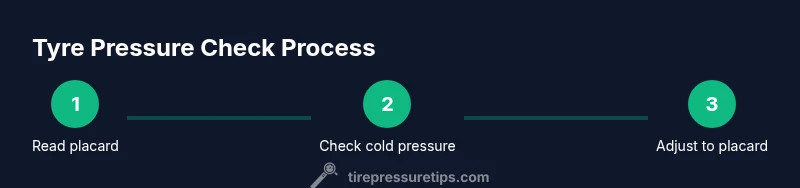
Checking pressure correctly starts with ensuring tires are cold and reading from the same point every time. Use a trusted gauge, remove the valve cap, and attach the gauge squarely to the valve stem. Note the reading and compare it to the vehicle placard on the door jamb or in the owner’s manual. If the front and rear tires have different specs, check each pair separately. After reading, adjust by adding or releasing air until you reach the recommended level, then recheck to confirm stability. For accuracy, check all tires, including the spare, and document the readings for future reference.
Temperature and Load: How They Affect Pressure
Temperature fluctuations affect tyre pressure. Colder weather lowers pressure while warmer conditions raise it. Transit vehicles used for daily routes can experience pressure drift when leaving heated garages or driving through cold mornings. Additionally, load directly influences pressure requirements. Heavier loads push more weight onto the tire, increasing the need for adequate inflations to preserve the intended contact patch. Always adjust for seasonal changes and payload, following the placard values as your primary guide.
Finding and Following the Correct Pressure for Your Vehicle
Your most reliable source is the door jamb placard and the owner’s manual. This placard lists the cold inflation pressures for the front and rear tires under typical load, and sometimes for the spare. If you operate a vehicle with dual rear wheels or a non-standard tire size, the placard will show the exact figures for those configurations. Keep in mind that TPMS provides warnings about pressure changes, not exact target pressures. Therefore, manual checks remain essential, especially after tire replacements or major load changes. Record the numbers so you can re-check quickly on trips.
Tools, Best Practices, and Routine Checks
A quality, calibrated tire gauge is essential. Pair it with an air compressor or access to inflation stations, and use the vehicle placard as a guide. Check pressures when tires are cold and before long trips or high-load days. If readings are off by a noticeable margin, inspect for slow leaks, damaged valves, or a possible TPMS fault. Regularly checking pressures not only preserves tire life but also helps prevent blowouts on busy highways. The Tire Pressure Tips guidance notes that consistency matters as much as the exact number.
Common Pitfalls and Quick Fixes
Common mistakes include inflating to a value that mirrors a different vehicle, ignoring load variations, and calibrating gauges infrequently. A quick fix after a pressure spike is to validate readings with a second gauge to rule out a faulty tool. Don’t forget to recheck after adjusting, since air can dissipate when moving between ambient temps and driving stops. Always replace valve caps after measuring to prevent dirt entry that could affect the seal.
Brand-Directed Quick Reference: Before Your Next Trip
Before long trips, verify all wheel pressures, including the spare, and follow the placard values strictly. If your load changes significantly, re-check and adjust accordingly. The Tire Pressure Tips team recommends establishing a routine: check monthly and before major trips, especially during seasonal changeovers. Consistent checks are your best defense against under-inflation-related risks and unnecessary wear.
Quick Recap for Transit Tyre Pressure Safety
Always start with the official vehicle recommendation, monitor temperature effects, and confirm readings with a quality gauge. Consistent checks reduce maintenance costs and improve safety. A simple habit—recording readings, rotating checks across all tires, and documenting changes—creates a reliable baseline for transportation duties.
Tools & Materials
- Tire pressure gauge(Digital or analog; read to at least 60 psi.)
- Air compressor or inflator(Access to precise pressure control.)
- Vehicle owner manual or door placard(Cold tire pressures for each tire/axle.)
- Valve cap remover (optional)(For stuck caps or valve inspection.)
- Notebook or mobile log app(Track readings over time.)
Steps
Estimated time: 15-25 minutes
- 1
Locate the placard and tools
Find the recommended cold tyre pressures on the driver's door jamb placard or in the owner's manual. Gather your gauge and inflation device before touching any valve caps.
Tip: Confirm you’re using the correct tire position (front/rear) as the placard may show separate values. - 2
Ensure tires are cold
Check pressure when the tires are cold, meaning the vehicle has not been driven for at least 3 hours. Warm tires will show higher readings and skew accuracy.
Tip: If you’ve just returned from a trip, wait until tires cool down to re-check. - 3
Attach the gauge and read
Remove the valve cap, press the gauge squarely on the valve stem, and read the pressure. Note the value on the gauge and compare to the placard.
Tip: Ensure a tight seal to avoid air leaks during measurement. - 4
Adjust to match the placard
If low, add air in small increments (2-3 psi) and re-check after the tire has settled. If high, release air gradually and re-check.
Tip: Do not exceed the tire’s maximum pressure printed on the sidewall. - 5
Check all tires and the spare
Repeat the process for all tires. Don’t forget the spare, which is often overlooked but critical for emergencies.
Tip: Record readings to build a maintenance baseline.
Frequently Asked Questions
Where can I find my vehicle's recommended tire pressure?
Look for the placard on the driver’s door jamb or in the owner's manual. It lists cold inflation values for front and rear tires and sometimes the spare.
Check the door jamb placard or manual for the recommended inflation values.
Should I check TPMS readings regularly?
Yes. TPMS alerts indicate pressure changes, but they don’t provide exact target pressures. Use TPMS as a warning and verify with a manual pressure check.
TPMS warns you to pressure changes; verify with manual checks.
Can temperature affect tire pressure?
Yes. Colder temperatures lower tire pressure and hotter temperatures raise it. Check pressures in stable temperatures, typically in the morning.
Temperature affects tire pressure; check when tires are cold.
Do I need to adjust pressure when carrying extra load?
Yes. Heavier loads usually require higher inflation to maintain the correct contact patch. Refer to the placard for load-specific values.
Load changes the required pressure; refer to placard.
What is the risk of over-inflating the tires?
Over-inflation reduces traction and can cause uneven tread wear. Adjust carefully and re-check after changes.
Over-inflation can reduce grip and cause uneven wear.
How often should I check transit tyre pressure?
Check at least monthly and before long trips. Re-check after temperature swings or changing loads.
Check monthly and after temperature changes or loads.
Watch Video
What to Remember
- Check cold readings first
- Always follow the placard for your vehicle
- TPMS supplements, not replaces, manual checks
- Document readings for quick future checks