Tire Pressure for Riding Mower: A Practical Guide for 2026
Learn how to check and adjust tire pressure for riding mowers, protect turf, improve traction, and maintain mower efficiency with model-specific guidance and a step-by-step routine.


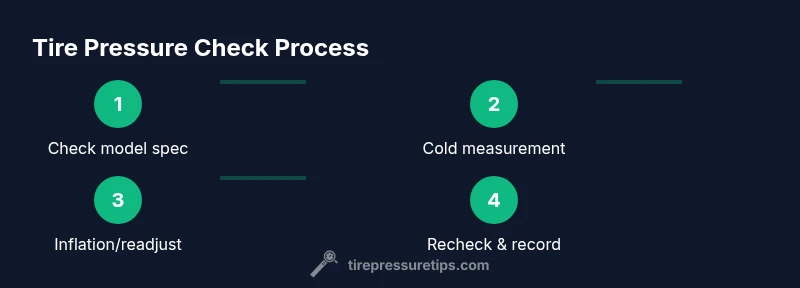
Check and adjust your riding mower tires to the manufacturer’s spec using a tire gauge, then recheck while cold. This quick, practical overview helps you avoid common mistakes, maintain traction, and protect the turf. You’ll use the mower manual and a simple routine to keep mowing smoothly.
Why Tire Pressure Matters on Riding Mowers
Tire pressure is more than a number on a dial. For riding mowers, the right inflation affects traction on grass, steering control, and the mower’s overall wear life. When tires are underinflated, the contact patch grows, increasing heat and wear. Overinflation reduces grip and can cause uneven mowing. The right inflation helps maintain a stable footprint, preserves turf, and improves fuel efficiency by reducing rolling resistance. According to Tire Pressure Tips, staying within the recommended range for your tires and workload is a simple, powerful way to protect both your lawn and the machine. Seasonal changes, attachments, and carrying extra weight can shift the ideal value, so check regularly.
Understanding PSI Ranges for Riding Mower Tires
PSI ranges are not one-size-fits-all. Front tires and rear tires may have different specs depending on tire type (turf vs. all-purpose) and the mower’s weight distribution. Always consult the model’s manual as the definitive source, followed by the tire sidewall markings. If a published PSI isn’t available, focus on staying within the tire’s rated load and avoid inflating beyond what the tire is designed to handle. Tasks like bagging or hauling can change the required pressure, so adjust accordingly and test the feel after a test mow. A stable footprint helps prevent turf damage and improves steering control at the edges of your mowing area.
Tools and Gauges You’ll Need
To accurately measure tire pressure, you’ll need a few reliable tools. A good tire pressure gauge (digital or analog) is essential, as is the mower’s manual or model number to verify the spec. An air source (manual pump or small compressor) is helpful for adjustments, and a soap solution can reveal leaks at valve stems. Keep a notebook handy to log readings over time, especially if you rotate tires or add attachments. Using the right tools prevents over- or under-inflation and speeds up maintenance.
How to Find the Right Pressure for Your Model
Locate the exact PSI in your mower’s owner’s manual or the tire sidewall markings. If the manual lists a range, start within that range and adjust in small increments after mowing sessions. Some models use different pressures for the front versus rear tires; ensure you apply the correct spec to each tire. If you cannot find a spec, contact the manufacturer or dealer for guidance. For best results, verify the spec before your next mowing job and record it for future reference.
Check Temperature and Its Effect
Tire pressure is sensitive to temperature. Cold tires at ambient temperature reflect the true pressure, while heat from mowing or weather can increase pressure readings. Always check inflation when tires are cold, ideally before you start mowing. If you’ve been mowing and the tires feel soft afterward, allow them to cool down and recheck. A consistent routine reduces reading variance and ensures reliable traction across sessions.
Inspect for Leaks and Damage
Before inflating, inspect tires for embedded objects, cuts, or cracks. A slow leak can masquerade as underinflation and lead to repeated topping off. If you hear hissing or see visible cracks, replace the affected tire or seek professional service. A simple leak check with soapy water around the valve stem and bead area can reveal the problem quickly. Addressing leaks early prolongs tire life and keeps mowing uninterrupted.
Common Mistakes and How to Avoid Them
Avoid inflating tires beyond the manufacturer’s spec, as overinflation can reduce traction and cause irregular wear. Do not rely on the car tire pressure mindset—riding mower tires have different loading and turf considerations. Never inflate with the engine running or while the mower is hot, and avoid using aggressive power inflators that overshoot the target pressure. Always check both front and rear tires and keep a consistent gauge.
Maintenance Routine and Schedule
Set a simple cadence: check tire pressure at the start of each mowing season and after major operations like bagging or collecting heavy loads. Record readings in a notebook or a digital note and recheck after any tire service or rotation. Periodic checks prevent surprises on hills or slopes and help preserve turf health. A small, repeatable routine is more reliable than occasional, heavy adjustments.
Does Your Riding Mower Have TPMS?
Most small riding mowers do not include a tire pressure monitoring system (TPMS); instead, regular manual checks are the reliable method. If your model does have a TPMS, follow the user guide to interpret alerts, confirm readings, and replace sensors if needed. TPMS, if present, can help catch slow leaks but should not replace periodic manual checks and maintenance.
Safety and Handling When Working on Tires
Always park on a flat surface, turn off the engine, and remove the ignition key before inspecting tires. If you need to lift the mower, use proper supports and never trust a jack alone. Wear gloves to protect your hands from sharp edges and use eye protection if you’re cleaning or applying soapy water around the bead. Finally, dispose of or repair damaged tires promptly to prevent blowouts or loss of control during mowing.
Additional Resources and References
For more detailed PSI specs and tire maintenance guidance, consult your mower manufacturer’s official documentation and trusted automotive safety resources. Always corroborate guidance with sources from government or university extensions when possible to ensure your maintenance aligns with best practices for lawn care equipment.
Tools & Materials
- Tire pressure gauge(Choose a gauge with a readable dial or clear digital readout; ensure calibration accuracy.)
- Owner's manual or model number(To confirm model-specific PSI and tire type.)
- Air source (hand pump or small compressor)(Needed for adjusting pressure; optional if you only need to check.)
- Soap water (for leak testing)(Detect slow leaks at valve stems or bead area.)
- Notebook or digital log(Record readings and maintain a profile for future reference.)
Steps
Estimated time: 15-25 minutes
- 1
Prepare and gather your tools
Collect the manual, a reliable gauge, and an air source. Inspect tires for damage and ensure the mower is parked on a flat surface with the engine off.
Tip: Having the manual handy prevents guessing the wrong specification. - 2
Check tires when cold
Measure tire pressure when the tires are cold to reflect the true static pressure. Warm tires can read higher than the actual target.
Tip: If you’ve just finished mowing, wait for tires to cool before rechecking. - 3
Read the model-specific PSI
Locate the recommended PSI in the manual or on the tire sidewall markings and note front vs rear differences if applicable.
Tip: Start with the lower end of the recommended range and adjust gradually. - 4
Attach gauge and read
Securely attach the gauge to the valve stem and take a clear reading, avoiding air leaks during measurement.
Tip: Ensure the valve stem is clean to prevent inaccurate readings. - 5
Inflate or deflate to spec
Add or release air in small increments until the gauge shows the target pressure for each tire.
Tip: Do not exceed the recommended PSI; recheck after a short wait for the pressure to settle. - 6
Recheck and record
Recheck both tires after adjustments and log the readings for future reference, noting any changes in load or attachments.
Tip: Keep a simple chart to monitor trends over time.
Frequently Asked Questions
Do front and rear tires on riding mowers require the same pressure?
Not always. Some models have different specs for front and rear tires based on load and balance. Always verify each tire’s spec in the manual.
Front and rear tires may have different specs; check your mower manual for model-specific guidance.
What should I do if I can’t find a PSI in the manual?
Look for tire sidewall markings or contact the manufacturer or dealer for guidance. Do not rely on generic automotive PSI values.
If the manual doesn’t show a PSI, check the tire sidewall markings or contact the maker for guidance.
Should I check pressure when tires are cold or warm?
Check cold tires to capture the true static pressure. Warm tires read higher due to heat generated during operation.
Check cold tires for accuracy, because heating during use can skew readings.
Do riding mowers typically have TPMS?
Most small riding mowers don’t have TPMS. Rely on regular manual checks, and only use TPMS guidance if your model includes it.
Most mowers don’t have TPMS; rely on manual checks unless your model specifies otherwise.
How often should I check tire pressure?
Check before each mowing session when possible, and at least monthly or after major mowing tasks or load changes.
Check before each mowing session if you can, or at least monthly.
What signs indicate underinflated tires?
Look for excessive tire flex, uneven wear, increased rolling resistance, and reduced steering control.
Watch for excessive flex, uneven wear, and harder steering indicating underinflation.
Watch Video
What to Remember
- Check cold tires for accuracy.
- Always follow model-specific PSI from the manual.
- Use a proper tire gauge for reliable readings.
- Avoid over-inflation to protect turf and tires.
- Log readings to track changes over time.