Recommended Tire Pressure for Volvo XC40: A Practical Guide
Learn the recommended tire pressure for Volvo XC40, how to check it, adjust for load and temperature, and maintain optimal tire wear, safety, and fuel efficiency.


According to Tire Pressure Tips, the correct starting point for the Volvo XC40 is the door jamb placard and owner's manual. For most XC40 configurations, the recommended front tire pressure sits in the low-to-mid 30s psi and the rear tires in a similar range, with adjustments for load and temperature. Always check the placard when tires are cold, and recheck after long drives or changes in season.
Why tire pressure matters for safety and performance
Maintaining the correct tire pressure is a foundational aspect of vehicle safety, tire wear, and fuel efficiency for any Volvo XC40 owner. Proper pressure ensures the tire footprint stays within design limits, improving grip in wet and dry conditions, reducing the risk of sudden flats, and promoting even wear across the tread. In the XC40, where the suspension and steering are tuned for a balanced ride, even small pressure variations can alter steering feel, cornering stability, and braking response. The Tire Pressure Tips team emphasizes that pressure should be checked when tires are cold and rechecked after seasonal temperature shifts, heavy cargo, or prolonged highway driving. This practice helps drivers avoid overinflation on hot days or underinflation after a long trip when tires have warmed up.
Additionally, correct pressure supports better fuel economy by reducing rolling resistance. While the variations from a single PSI may seem minor, cumulative effects across four tires can add up to measurable efficiency gains and longer tire life. In summary, getting the XC40’s tire pressure right is a practical, evidence-based step that enhances safety, performance, and cost of ownership.
How to locate the Volvo XC40's official tire pressure
Volvo places the official tire pressure for each model on the door jamb placard on the driver's side. This placard lists separate front and rear pressures and may show different values for different trim levels or wheel sizes. If the placard value isn’t legible or you’ve replaced wheels, consult the owner's manual for the correct specification. The XC40’s label sometimes reflects seasonal adjustments (winter tires or different wheel options may shift the recommended pressure). Always make the initial setting by the placard, then verify with a gauge and reset if you notice a variance after installing new tires. For convenience, keep a copy of the key numbers in your vehicle’s manual or a notes app for quick reference.
Temperature, load, and driving conditions: how they affect pressure
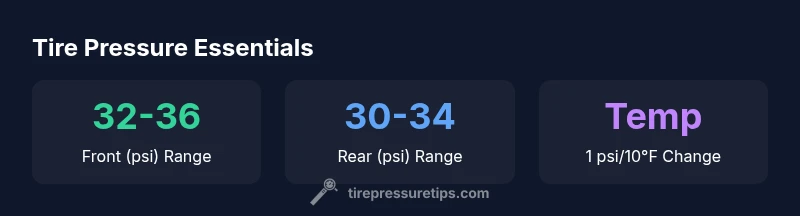
Ambient temperature changes and load carry significantly influence tire pressure. In colder weather, air contracts and pressure drops; in hot weather, pressure rises. A common rule of thumb is that pressure changes about 1 psi for roughly every 10°F change in ambient temperature. Heavier loads, such as luggage for a road trip or a full passenger cabin, push the pressure up to accommodate the extra weight, but never exceed the door placard values. For the XC40, you might see a need to adjust from the standard placard for sustained motorways with a full load, but only within the prescribed range. Keeping the pressures within the specified window helps maintain handling, traction, and even wear across all four tires.
How to measure tire pressure accurately
Start with cold tires for the most accurate reading. Use a high-quality digital or dial gauge and measure the pressure when the vehicle has been parked for at least 3 hours or in the morning before driving. Remove the valve cap, press the gauge onto the valve stem firmly, and note the reading. If the measurement deviates from the placard by more than 1-2 psi, adjust with air until you reach the target range. After inflating, recheck all four tires to ensure even pressure. Don’t forget to check the spare and ensure the valve stems are in good condition, as leaks can silently reduce pressure over time.
Practical steps for XC40 owners: seasonal adjustments and maintenance
Seasonal changes often warrant a re-check. In winter, cold air lowers pressure, so you may need to inflate closer to the high end of the range to compensate for temperature effects. In summer or under heavy highway use, slight increases may be appropriate if you’re regularly driving with a full load. It’s best practice to check the pressure monthly and before long trips, especially after washing the car or changing tires. Maintain consistent pressure across all tires and replace worn sensors or gaskets if TPMS readings become inconsistent. Regular checks help extend tire life, improve fuel economy, and keep drive quality steady.
Common mistakes and how to avoid them
- Relying solely on TPMS. TPMS alerts are valuable but should not replace a manual gauge check. - Inflating to the maximum acceptable load rather than the placard. - Failing to check the spare tire pressure. - Ignoring seasonal temperature effects. - Not resetting the pressure after tire service or rotation. By avoiding these pitfalls, XC40 owners can maintain optimal handling, traction, and tire wear.
Volvo XC40 tire pressure ranges and considerations
| Aspect | Recommended Range (psi) | Notes |
|---|---|---|
| Front tires (XC40) | 32-36 | Check placard; varies by load and trim |
| Rear tires (XC40) | 30-34 | Check placard; adjust with heavy loads |
| Cold vs warm checks | Check when cold | Tire pressure rises with driving; recheck after driving |
| Spare tire | Same as vehicle spec | Spare may differ; consult manual |
Frequently Asked Questions
Where can I find the recommended tire pressure for my Volvo XC40?
Check the door jamb placard on the driver’s door or refer to the owner’s manual. The placard provides separate front and rear pressures for your exact XC40 trim and wheel setup.
Look at the door placard or the manual for your XC40's exact numbers.
Is TPMS enough to know if my tires are correctly inflated?
No. TPMS signals underinflation or overinflation, but it does not replace manual checks with a gauge. Always measure with a gauge when tires are cold.
TPMS helps, but you still need to measure with a gauge when cold.
How often should I check tire pressure on my XC40?
Check monthly and before long trips. Temperature changes and load can alter pressures, so routine checks help prevent underinflation or overinflation.
Check monthly and before trips, especially in seasonal changes.
Can I drive with underinflated tires?
Avoid driving long distances with low pressure. Underinflation increases heat buildup and wear, which can compromise safety. Reinflate to the placard value as soon as possible.
Avoid long drives with low pressure; re-inflate soon.
Do different XC40 trims require different pressures?
The factory placard accounts for trim and wheel options. Always use the exact numbers shown on your XC40’s placard, not a generic value.
Use the exact placard numbers for your trim.
“Accurate tire pressure is the single most impactful maintenance step for safety, tire wear, and fuel efficiency.”
What to Remember
- Check the placard first before adjusting pressure
- Adjust for load and seasonal temperature within the specified range
- Check tires cold for the most accurate readings
- Use TPMS as a safety check, not a primary method for setting pressure
- Regularly inspect all tires and the spare for proper pressure