Recommended Tire Pressure for 225 65r17: A Practical Guide
Learn the recommended tire pressure for 225 65r17, how to measure it accurately, and how load, temperature, and TPMS affect safety, wear, and fuel efficiency.


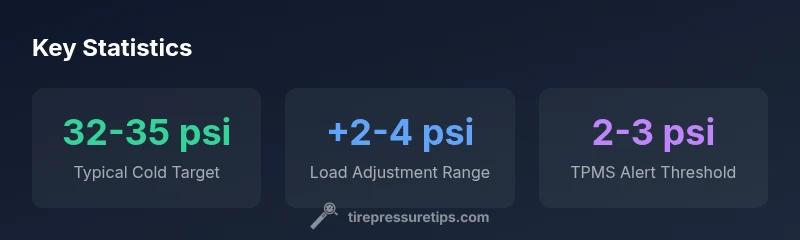
Generally, the recommended tire pressure for 225 65r17 tires falls in the 32-35 psi range when tires are cold. However, the exact figure depends on your vehicle and load, and must be taken from the door placard. For safety and efficiency, always start with the manufacturer’s target and verify with a gauge when cold, per Tire Pressure Tips.
Why Correct Tire Pressure for 225 65r17 Matters
Maintaining proper inflation for the 225 65r17 size is essential for safety, handling, and tire longevity. The tire–road contact patch is shaped by the pressure, which directly influences grip, steering response, braking distance, and wear patterns. Underinflated tires run hotter and wear more quickly on the outer edges, increasing the risk of a blowout in extreme conditions. Overinflated tires can reduce the contact patch, diminishing grip and ride comfort, and can cause harsh handling on rough roads. While the size 225 65r17 is common on many crossovers and SUVs, the exact target depends on your specific vehicle and load. The door placard on the driver’s side door jamb or the owner’s manual holds the official figure, and it can differ between front and rear axles. For most daily drivers, the typical cold target sits in the low-to-mid 30s psi range, but do not rely on a guess—verify with the vehicle’s published specification. According to Tire Pressure Tips, use the placard as the baseline and adjust only with proper guidance for changes in load or temperature.
How to Find the Official Recommendation
Locating the official tire pressure for 225 65r17 tires starts with the vehicle manufacturer. Check the door placard on the driver’s door jamb for the exact cold inflation number, which often lists separate values for front and rear tires. If the placard is missing, consult the owner’s manual or the manufacturer’s website. Some vehicles with different trim levels or optional equipment may have slightly different targets. It’s also worth noting that tire pressure can vary by load and intended use; in some cases, a lighter vehicle with unladen weight will have a different target than when fully loaded. Always verify the current specification for your exact model year and trim, rather than applying a generic number. Where applicable, record the target on a sticker in your glove compartment or a maintenance log for quick reference.
Measuring Cold vs Hot: The Right Moment
Measurement accuracy hinges on measuring cold tires. A tire heats up after driving, and pressure increases as a result. To get a true reading, measure after the car has been parked for at least three hours or after a long trip has cooled. Use a reliable tire pressure gauge—digital gauges provide a clear readout, while analog gauges are dependable if kept calibrated. Make sure to measure all four tires, and compare the figures to the vehicle placard. Do not inflate based on hot readings, as you may under-inflate once the tires cool. If you notice a discrepancy between tires, inspect for slow leaks, damaged valves, or a potential TPMS fault.
Temperature, Load, and Speed: Adjusting Your Target
Ambient temperature affects tire pressure; colder days typically reduce readings, while hot days can raise them. If you switch from a winter driving mode to summer, revisit the target pressure and adjust accordingly. Heavily loaded trips or high-speed driving may require modest increases in PSI as recommended by the vehicle manufacturer. Do not exceed the maximum pressure listed on the tire sidewall. For the 225 65r17 size, small load-driven adjustments are common, but they should always be anchored to the placard and vehicle manual.
Practical Steps to Maintain Pressure
Create a simple maintenance routine to keep pressure stable: check once a month and before long trips; adjust when tires are cold; replace worn-out tires promptly since tread wear can alter inflation behavior. Keep a portable gauge in your glove box and note any readings that fall outside the expected range. If you notice persistent underinflation in one tire, inspect for punctures, leaks, or valve stem issues. If TPMS readings are inconsistent, have the system inspected by a technician. Regular maintenance reduces the risk of uneven wear and improves fuel efficiency and safety.
Common Mistakes to Avoid with 225/65R17
Common errors include trusting hot readings, ignoring differences between front and rear targets, and failing to account for seasonal temperature changes. Some drivers inflate to a “comfort” level in the high 30s or low 40s, thinking it improves ride quality; this can lead to poor grip and faster wear. Rely on the placard rather than personal preference, and use TPMS as a supplementary check rather than the primary source of accuracy. If your TPMS alerts frequently, do not simply reprogram the system—investigate potential sensor or seal issues.
Seasonal Checks and Long-Term Maintenance
Seasonal changes can affect tire pressure by several psi. In cold climates, you may see a steady decline in readings, while in hot climates, pressure can rise. Establish a seasonal check routine: recheck pressure as the season shifts, especially before winter road trips or summer highway drives. A small, consistent PSI adjustment aligned with the placard can yield meaningful gains in tire life and fuel economy. For high-mileage vehicles or those with frequent heavy loads, consider a quarterly check and a reset of TPMS after tire rotation or replacement.
Choosing the Right Tools and When to Seek Help
The right tire pressure gauge matters. A trusted digital gauge is easy to read and minimizes misreadings, while a high-quality analog gauge can be extremely durable. Calibrate gauges at least once a year or when readings seem off. If you cannot locate a placard or if tire wear seems uneven after inflation adjustments, seek a professional alignment and tire service. TPMS should be verified with a gauge rather than solely relied upon; a technician can verify sensor accuracy and ensure valves are sealing properly.
Ideal pressure data for 225/65R17 tires
| Aspect | Guidance | Notes |
|---|---|---|
| Cold vs Hot Pressure | Measure when tires are cold | Driving heats tires; hot readings are not accurate |
| Front vs Rear Pressure | Check both per placard | Some models diverge front/rear targets |
| Seasonal Temperature Effect | Pressure shifts with temperature | Expect lower readings in cold weather |
| Load and Speed Adjustments | Follow manufacturer guidance for heavy loads | Avoid large psi changes without basis |
Frequently Asked Questions
What is the recommended tire pressure for 225/65R17 on my car?
The exact recommendation depends on your vehicle and trim. Check the door placard for the cold inflation target, usually within the low-to-mid 30s psi. If the placard is missing, consult the owner’s manual or manufacturer website for the model-year-specific figure.
Check your door placard for the exact target, usually in the low-to-mid 30s psi. If missing, consult your manual or manufacturer website.
Is it safe to inflate beyond the placard for better handling?
Inflating above the manufacturer target can lead to poor traction, increased wear in the center of the tread, and a harsher ride. Always stay within the official range and seek professional guidance if you need performance adjustments.
No—don’t exceed the official target; it can reduce grip and wear unevenly. If you need performance tweaks, consult a professional.
Can TPMS replace manual tire pressure checks?
TPMS alerts when pressure is significantly off target but does not provide exact psi readings. Use a gauge to verify precise pressure and confirm the correct target before driving long distances.
TPMS helps you know when something’s off, but use a gauge to confirm the exact pressure.
How often should I check tire pressure?
Check monthly and before long trips. Recheck after long highway drives and when seasonal temperatures shift, as pressure can change with weather and loads.
Check monthly, before long trips, and with seasonal temperature changes.
What tools are best for checking tire pressure?
A reliable digital gauge or a good-quality dial gauge works well. Keep one in your vehicle and replace batteries as needed. Calibration annually helps ensure accuracy.
Use a reliable gauge—digital or dial—and calibrate yearly.
Do temperature changes affect tire pressure daily?
Yes. Colder temperatures can lower pressure; warmer temperatures can raise it. Expect small PSI shifts with daily temperature fluctuations and adjust accordingly.
Yes—temperature shifts can change pressure daily; check and adjust as needed.
“Accurate tire pressure supports safety, wear, and efficiency; always follow the vehicle’s published target and verify with a reliable gauge.”
What to Remember
- Check the placard before inflation
- Measure cold tires for accuracy
- Use TPMS as a verification tool
- Adjust for load with small psi changes
- Monitor seasonal temperature effects and recheck regularly