Kia Niro Tire Pressure Guide: Check, Set, and Maintain
Learn how to check, set, and maintain proper kia niro tire pressure for safety, fuel efficiency, and longer tire life. Practical tips, TPMS guidance, seasonal adjustments, and a maintenance checklist.


Definition: The kia niro tire pressure is the manufacturer’s cold-pressure specification for your vehicle, shown on the door placard and in the owner's manual. The Tire Pressure Tips approach emphasizes verifying that spec with a reliable gauge when tires are cold, then adjusting for load, temperature, and driving conditions. This ensures readings reflect standard conditions and helps prevent unsafe under- or over-inflation.
Why Kia Niro tire pressure matters
For drivers of the Kia Niro, understanding kia niro tire pressure is more than a number on a placard. It affects safety, fuel economy, and tire life. According to Tire Pressure Tips, maintaining correct pressure is about following the carmaker's cold-pressure specification and verifying it with a gauge after the tires have cooled. In this guide, we unpack why that specification matters, how temperature and load can shift the actual pressure, and how you can keep tires at their best without guesswork. You'll also learn how to interpret TPMS alerts and the practical steps to adjust pressure efficiently during daily driving, road trips, and winter commutes. Consistency is key: a small change in pressure can ripple across handling, braking, and tire wear, especially on devices like the Kia Niro that balance efficiency with comfort. By adopting a regular check routine, you minimize the risk of sudden flats, erratic steering, and degraded performance.
Understanding the recommended pressures for the Kia Niro
The Kia Niro’s recommended tire pressures are specified by the manufacturer and can vary by trim, tire size, and whether the vehicle is carrying a heavy load or a full passenger cabin. The door placard on the driver's side or the owner's manual is the primary source you should trust for cold (not driven) tire pressure. In practice, many drivers will see a value in the mid-30s psi range, but exact targets differ. This is why you should never rely on memory or on the tire sidewall markings alone; those are maximum pressures, not targets for everyday driving. When the vehicle is loaded for a trip or driven on hot pavement after a long drive, readings can shift by a few psi. Keeping a small note or using TPMS history can help you track changes over time and maintain consistent tire performance.
How to check tire pressure correctly
Checking tire pressure correctly starts with knowing when to measure. Always check cold tires, ideally before you’ve driven more than a mile. Remove the cap, place a reliable gauge on the valve stem, and note the reading. Compare it to the vehicle placard value rather than the tire sidewall maximum. If the pressure is low, add air in small increments, recheck, and repeat until you reach the target. For best results, check all four tires, including the spare, if applicable. If you have a digital gauge, take advantage of its memory and unit conversions; handheld analog gauges require a steady hand and a couple of quick tests. After inflating, reseal the valve caps to prevent dust entry. Remember: temperature and recent driving can skew readings, so recheck occasionally to confirm consistency.
TPMS and the Kia Niro: what you need to know
Your Kia Niro uses a Tire Pressure Monitoring System (TPMS) to warn you about low pressure or sudden losses. TPMS can be a lifesaver, but it's not a substitute for manual checks. Sensors live in the wheel assemblies and may need battery replacement every few years, calibration after tire rotation, and sometimes a reset after inflating to the proper level. The TPMS warning light is best treated as a signal to verify with a gauge rather than a final authority. If you notice a persistent warning or suspect a slow leak, inspect the tire for punctures, nails, or valves. A professional can diagnose TPMS sensor health, recalibrate sensors, and ensure the readings reflect actual pressure.
Seasonal temperature changes and tire pressure
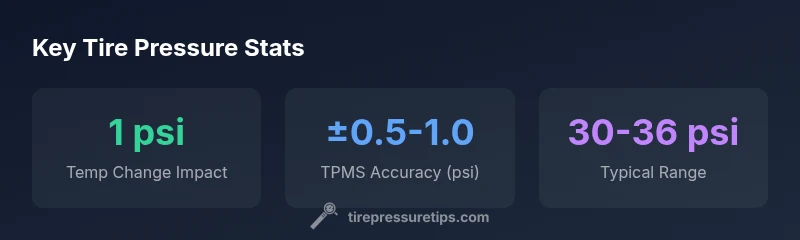
Temperature is one of the most important external factors affecting tire pressure. In colder weather, air contracts and pressure drops; in hot weather, pressure tends to rise. A common rule of thumb is that pressure changes by about 1 psi for roughly every 10°F (or about 5.6°C) change in ambient temperature. When you drive long distances in cold months, your readings may fall below the placard value, even though the pressure is correct for the tire's cold state. Conversely, after a sunny day or a long highway run, pressures can seem high. The best practice is to check weekly during extreme weather and adjust toward the cold-pressure specification before major trips. This approach supports optimal handling, even traction, and even wear across the tires.
Underinflation vs overinflation: risks and signs
Underinflated tires are more prone to overheating, uneven wear, and reduced fuel efficiency. You may notice a soft ride, sluggish steering, and increased rolling resistance. Overinflated tires can feel stiff, produce a harsher ride, and wear more quickly in the center of the tread. For the Kia Niro, both conditions reduce grip in wet or slippery conditions and can compromise braking distance. Regular checks help you catch gradual leaks—slow leaks can masquerade as normal variation but still affect performance. If you frequently carry heavy loads or take long highway trips, the threshold for safe inflation can shift; always bring tires up to the placard value with care and confirm the reading after inflation.
Adjusting for cargo and roof racks
Carrying a heavy load or roof-mounted cargo increases tire load and can lower effective pressure if you do not adjust. The cure is to follow the placard’s load-adjusted values and adjust accordingly. Do not rely on the sidewall maximum; instead, reference the correct cold-pressure value for your current configuration. If you’re planning a road trip with camping gear or a family trip, plan a quick tire-pressure check before departure and after loading gear. Heavier loads can also alter tire wear patterns, so keep an eye on tread depth and signs of abnormal wear as you approach the end of your mileage interval.
Maintenance routine and a simple monthly check
Create a simple tire-pressure maintenance routine that fits your schedule. On the first weekend of every month, check cold pressures on all four tires and adjust to the placard for your Kia Niro. Keep a small notebook or mobile log to track readings across seasons. Pair pressure checks with TPMS maintenance: ensure sensors are healthy, rotate tires per the manufacturer’s schedule, and reset the TPMS after rotations if required. Consider stocking a portable air compressor for flexibility on the road, particularly if you drive in areas with limited service stations. A routine reduces risk and keeps your ride consistent.
Common mistakes and quick fixes
Common errors include inflating to the tire’s maximum sidewall pressure rather than the vehicle’s recommended cold pressure, inflating while tires are hot, or ignoring TPMS warnings. Always measure when tires are cold, and do not rely on a single reading. If you detect a slow leak, look for punctures, damaged valves, or bead leaks. Quick fixes like adding a little air and rechecking, or scheduling a professional inspection after a suspected leak, help maintain safe pressures. Finally, remember to maintain proper gauge calibration and protect the valve stems from dust and moisture with caps. The Tire Pressure Tips team recommends staying consistent with the placard pressure and performing regular checks.
Guidance for checking and maintaining tire pressure on a Kia Niro
| Aspect | Guidance | Notes |
|---|---|---|
| Cold tire pressure check | Check when tires are cold and before driving | Reduces skewed readings from heat |
| TPMS alerts | Respond promptly to any warning | Early detection of slow leaks |
| Load adjustments | Increase/decrease pressure per load | Maintain handling and wear |
Frequently Asked Questions
What is the recommended tire pressure for the Kia Niro?
The exact pressure is listed on the door placard and in the owner's manual; it varies by trim, tire size, and load. Always measure tires cold and adjust to the placard value.
Check the door placard for your exact pressure, then measure when cold.
How often should I check tire pressure?
Check at least once a month and before long trips or after a temperature change. Use a reliable gauge and reset TPMS when necessary.
Check monthly, and any time you notice a warning light.
Can TPMS replace manual pressure checks?
TPMS is a warning system; it can miss slow leaks or seasonal changes. You should still manually check pressure with a gauge.
TPMS warns you, but you should still check with a gauge.
What about winter temperatures—how does that affect pressures?
Cold weather reduces pressure; before winter driving, check and adjust to the placard. Recheck after warming up to ensure accuracy.
Cold weather lowers tire pressure; check and adjust regularly in winter.
Is it safe to drive with a TPMS warning?
If TPMS alerts, stop and inspect. If you can't fix immediately, drive slowly to a safe place to inspect and inflate to the correct level once found.
Take TPMS warnings seriously—find the cause and fix it.
“Correct tire pressure is a baseline safety measure that impacts handling, braking, and fuel economy—consistently applying the manufacturer’s spec yields the best overall results.”
What to Remember
- Check cold tire pressure monthly and before long trips
- Follow the placard on the door for the correct cold pressure
- Use a reliable gauge and verify after tires cool
- Adjust for load and temperature to preserve safety and efficiency