Subaru Low Tire Pressure: Urgent Troubleshooting Guide
An urgent, practical guide to diagnosing and fixing Subaru low tire pressure, TPMS issues, leaks, and temperature effects with actionable steps for drivers.


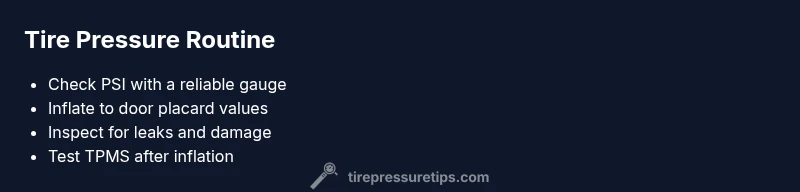
Quick answer: For Subaru low tire pressure, start by checking all four tires with a reliable gauge and inflating to the vehicle’s recommended psi shown on the door placard. The most common causes are slow leaks (nails or punctures), temperature-related pressure drops, or a faulty TPMS sensor. If the light stays on after inflation, address the leak or replace the sensor.
Why Subaru Tire Pressure Management Matters
Maintaining proper tire pressure on your Subaru is not just about avoiding a ding on the dashboard. It directly influences safety, handling, fuel economy, and tire longevity. When the tires are underinflated, the contact patch with the road grows, increasing rolling resistance and heat buildup. Underinflation can lengthen stopping distances and reduce steering responsiveness, especially in emergency maneuvers or on wet roads. For drivers who rely on Subaru's symmetric all-wheel drive and stability control systems, accurate tire pressure helps preserve grip and predictability.
According to Tire Pressure Tips, consistent tire pressure checks are essential for Subaru safety and efficiency. Temperature changes throughout the day can shave pounds off tire pressure, even when the vehicle sits parked. The Tire Pressure Tips team emphasizes that any warning light or fluctuating readings should prompt a manual check rather than automatic dismissal. In practice, this means keeping a reliable gauge in your vehicle, checking when tires are cold, and comparing readings to the placard on the door jamb. By making tire pressure a habit, you reduce the chance of uneven tire wear and improve overall performance.
How Low Tire Pressure Affects Safety and Performance in a Subaru
Low tire pressure disrupts Subaru's balance and braking performance. The lower the pressure, the more the tire deforms at the contact patch, which can reduce steering precision and increase the risk of hydroplaning in rain or standing water. Underinflation also leads to higher heat at the edges of the tread, accelerating wear and increasing the chance of a blowout on long trips. In snow or gravel, reduced pressure can alter grip, causing understeer or oversteer unexpectedly. The practical effect is a stiffer, less predictable ride with potentially higher fuel consumption as the engine works harder to maintain speed. For everyday commuting, correct tire pressure keeps the ride comfortable and the tires wearing evenly. In the worst case, it can compromise handling in emergency braking, which is especially relevant for drivers carrying passengers or children. Regular checks are a simple risk reducer.
Common Causes of Low Tire Pressure (With Subaru-Specific Clues)
Several factors commonly contribute to Subaru low tire pressure, and some clues tailor to Subaru models. A slow leak from a nail, screw, or repaired patch remains the most frequent culprit and can be difficult to spot while the tire is hot. Temperature-related pressure drops occur as outdoor temps fall; the air inside tires contracts, particularly during season transitions. A faulty TPMS sensor or dead battery can generate false readings or linger warnings even when tires are inflated correctly. Aging valve stems, corroded rims, or bead leaks after a tire rotation are another source. Rough roads, potholes, and curb impacts can cause rim damage or bead leaks that gradually reduce pressure. Finally, improper inflation during seasonal maintenance can set you up for underinflation in certain models. For Subaru owners, paying attention to the TPMS regularly helps detect sensor drift before it becomes a safety issue.
Quick Pre-Drive Checks Before You Move
Before you drive, perform a quick but thorough inspection focused on tire integrity and pressure. Start with a cold tires check, since driving heats up air and can mask leaks. Use a high-quality gauge to measure each tire, including the spare if applicable. Compare each reading to the door placard, and inflate any tire that reads below the recommended psi. Look for obvious signs of damage, such as nails, screws, cracks, or punctures, and check the valve stems for cracks or moisture. Don’t forget to inspect the wheel rims for corrosion or dents that could cause slow leaks. If you notice the TPMS warning while the car is stationary, recheck after inflation to verify the system logs the new pressure correctly.
Diagnostic Flow: Is It a Leak, Temperature, or Sensor?
The diagnostic flow helps isolate the cause of a Subaru low tire pressure warning. Start with the simplest checks and progress to more complex ones. "Symptom" may be a TPMS light, a low pressure reading on the gauge, or uneven tire wear. Possible causes include a slow leak (high likelihood), temperature-related pressure drop (medium likelihood), or a faulty TPMS sensor (low likelihood but real). For each cause, apply a corresponding fix: inspect and patch leaks (easy), verify against ambient temperatures and re-check after a cold soak (medium), or calibrate/replace the TPMS sensor (medium). If the warning persists after inflation and inspection, professional diagnosis is recommended to rule out rim damage or a sensor fault beyond DIY repair.
The Right Tools and Safe Inflation Practices
A few essential tools make tire pressure maintenance safer and more reliable. A trusted, analog or digital tire pressure gauge with a wide range and quick accuracy is indispensable. Keep a portable inflator or a compressor with an auto shutoff and a canister of sealant for emergencies. Always inflate tires while cold, check the pressure, and then recheck after driving a short distance, as the tire heats up. Use the vehicle's placard as the target pressure and avoid going above the maximum printed on the tire sidewall. When inflating, ensure valve caps are present and tight, and avoid over-inflation, which can increase the risk of a blowout on rough roads. If you have a known TPMS issue, consider a dedicated TPMS tool to read sensor data and confirm sensor health before replacement.
Proactive Maintenance: Preventing Low Tire Pressure in Every Season
Seasonal changes require adaptive maintenance. In cold weather, regularly check tires and allow extra time for inflation since air contracts with lower temperatures. In hot weather, check for heat buildup and ensure tires are not over inflated from repeated long drives. Schedule monthly tire pressure checks as part of your routine, especially after road trips or tire rotations. Replace aging valve stems and tires according to Subaru maintenance guides, and ensure TPMS batteries are healthy. Keeping a log of readings helps spot gradual leaks early and prevents safety issues on longer trips.
Steps
Estimated time: 45-60 minutes
- 1
Find the recommended pressure on the placard
Locate the driver’s door placard or owner manual to determine the correct cold tire pressure for your Subaru. Note that the value is different for front and rear tires on some models.
Tip: Always start with cold tires for an accurate reading. - 2
Check all tires with a gauge
Measure each tire’s pressure using a reliable gauge. Do not rely on feel or vehicle readings alone. Write down the numbers.
Tip: Use the same gauge for consistency. - 3
Inflate to the recommended psi
Inflate any underinflated tires to the placard value. Stop inflating once you hit the target and recheck all tires.
Tip: Do not exceed the maximum tire pressure shown on the sidewall. - 4
Inspect for leaks
Look for nails, screws, cuts, or objects embedded in the tread that could cause slow leaks. Wipe the tire and valve stem to detect slow leaks.
Tip: If you find a puncture, limit driving and seek repair immediately. - 5
Check TPMS status
After inflation, reset or observe the TPMS to confirm it logs the updated pressure. If the light stays on, there may be a sensor issue.
Tip: Some systems require a reset procedure in the vehicle menu. - 6
Road test and monitor
Take a short drive to ensure the tires regulate properly and the TPMS behaves consistently. If the warning reappears, professional inspection is advised.
Tip: Keep a spare tire and jack ready for emergencies.
Diagnosis: TPMS warning light or low tire pressure readings in a Subaru while driving
Possible Causes
- highSlow leak from nail or puncture
- mediumTemperature-related pressure drop
- lowFaulty TPMS sensor or wheel sensor issue
Fixes
- easyInspect tires for visible damage and inflate to the recommended psi
- mediumLocate and repair puncture, or replace damaged tire
- mediumCalibrate TPMS or replace the sensor if the light remains after inflation
Frequently Asked Questions
What causes Subaru low tire pressure warning?
The warning is usually triggered by a slow puncture, temperature-related pressure drop, or a faulty TPMS sensor. Start by inflating all tires to the recommended level and inspecting for obvious leaks or damage.
A slow puncture, temperature drop, or a TPMS sensor issue usually triggers the warning. Inflate to the recommended level and check for leaks or sensor problems.
Can I drive with low tire pressure safely?
Driving on underinflated tires is unsafe and can worsen tire wear and braking performance. If you see a warning, reduce speed, avoid sharp maneuvers, and seek to inflate and inspect the tires as soon as possible.
It's not safe to keep driving with low pressure. Inflate and inspect, then test cautiously.
How do I reset or calibrate a TPMS after inflating?
Many Subaru models auto-calibrate after driving a short distance at near-normal pressure. If the light remains, use the vehicle's TPMS reset option in the settings menu or consult the owner manual.
Most Subarus auto-calibrate after normal driving, but check your manual if the light stays on.
Is it dangerous to ignore a low tire pressure warning?
Yes. Ignoring the warning can lead to loss of control, increased stopping distance, and tire failure, especially in adverse weather.
Ignoring a low tire pressure warning can be dangerous, so address it promptly.
How often should I check tire pressure?
Check at least once a month and before long trips. Temperature changes can quickly alter tire pressure, so more frequent checks are beneficial during seasonal transitions.
Check tires monthly and before long trips, especially when seasons change.
Watch Video
What to Remember
- Check tire pressure monthly and after temperature shifts
- Inflate to door placard values, not maximum tire pressure
- Inspect tires for leaks and wear when a warning appears
- If TPMS warning persists after inflation, seek professional service