Honda CR-V Low Tire Pressure: Troubleshooting Guide
Urgent, practical troubleshooting for Honda CR-V low tire pressure. Learn how to diagnose causes, safely reinflate, check TPMS, and prevent flats with clear, step-by-step guidance from Tire Pressure Tips.


If you notice honda crv low tire pressure, don’t ignore it. This quick answer identifies the most likely causes and safe fixes, then directs you to a deeper troubleshooting guide. Addressing tire pressure now reduces wear, improves handling, and helps TPMS stay reliable in all weather conditions. Follow the step-by-step guidance below for practical checks and safe reinflation.
Why the Honda CR-V Needs Attention When Low Tire Pressure
For Honda CR-V drivers, tire pressure is a safety and performance issue, not a cosmetic concern. According to Tire Pressure Tips, maintaining the correct tire pressure improves fuel efficiency, steering responsiveness, and tire wear. A drop in pressure—even a small amount—can alter handling, increase rolling resistance, and raise the risk of a blowout in wet or icy conditions. If you see honda crv low tire pressure or a TPMS warning, treat it as an urgent maintenance item. In this section, you’ll learn why even minor pressure changes matter, how daily temperature swings can disguise slow leaks, and how quick checks can prevent uneven wear. This knowledge helps you stay in control during highway moments and urban commutes, protecting both your wallet and your safety.
Common Causes of Low Tire Pressure on a Honda CR-V
Low tire pressure on a Honda CR-V is rarely caused by a single factor. The most common culprits include a puncture or nail in the tread, a small air leak from the valve stem, or a bead leak where the tire seals to the rim. Temperature changes—from cold mornings to hot afternoons—also cause tires to fluctuate pressure levels, especially in older tires. A faulty TPMS sensor or calibration can falsely indicate low pressure even when tires are adequately inflated. Regular inspections help distinguish between a slow leak, normal fluctuation, and a faulty sensor. Tire Pressure Tips emphasizes that a practical approach is to verify pressures with a reliable gauge, inspect for visible damage, and confirm readings against the owner’s manual. Regular checks reduce risk and extend tire life.
How Temperature and Driving Affect Tire Pressure
Tire pressure is not static; it responds to ambient temperature and driving conditions. On cold days, air contracts and pressure drops, while warm days can raise pressure slightly. Long highway drives heat tires and change shape, often masking a slow leak. This dynamic means you should check pressure when tires are cold (before driving) and recheck after a few miles of driving. For a Honda CR-V, pay extra attention during seasonal transitions and in scenarios with significant temperature swings. Consistent checks help you spot creeping leaks early and prevent unsafe pressures that affect braking and steering.
How to Verify Your Tire Pressure Today
Begin with a reliable tire gauge and a calm, flat surface. Check all four tires when they are cold, ideally before driving. Compare readings to the placard on the driver’s door jamb or your owner’s manual for the official cold pressure range. If any tire reads low, reinflate to the specified range and recheck after a few miles to ensure a stable pressure. Don’t forget the spare; a low spare can surprise you in an emergency. If you suspect a slow leak, inspect for punctures, wear, or bead leaks, and consider cleaning valve stems with a small brush to remove corrosion that could hinder sealing.
Immediate Fixes You Can Try Right Now
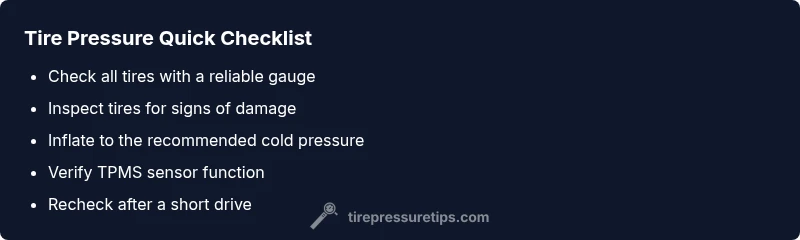
- Check all tires with a trusted gauge when tires are cold.
- Reinfl ate each tire to the vehicle’s recommended cold pressure; don’t rely on old readings.
- Inspect tires for nails, cuts, or embedded objects; look for hissing sounds or quick pressure loss.
- Examine valve stems for cracks or seepage; replace faulty stems if needed.
- If the TPMS warning remains after inflation, allow a short drive to refresh system readings and recheck. If it still shows low pressure on any tire, seek professional inspection to rule out bead leaks or a failing sensor.
Safety, Maintenance, and Prevention
Safety should come first when dealing with tire pressure. Never drive on visibly damaged tires or with severely underinflated tires. Maintain a routine: check tire pressure monthly, especially before long trips, and after temperature changes. Use a digital gauge for consistent readings and keep a small tire repair kit on hand. Regular TPMS checks and wheel maintenance help prevent surprises on the road. Remember, small preventive steps now save time, money, and risk later. Reg ular checks also help you keep honda crv low tire pressure from becoming a recurring issue.
Steps
Estimated time: 20-30 minutes
- 1
Check the warning light and safety
If the TPMS light is on, pull over safely on a flat surface and inspect the vehicle. Confirm you have a gauge ready and avoid driving if any tire looks severely underinflated.
Tip: Park on level ground and apply the parking brake before handling tires. - 2
Measure all four tires when cold
Use a reliable gauge to measure cold tire pressures. Compare each reading to the placard on the driver door jamb or owner’s manual. Note any tires that read below the recommended range.
Tip: Record the readings in a notebook or phone for easy tracking. - 3
Reinflate to the recommended range
Inflate each tire to the specified cold pressure. Avoid inflating beyond the recommended range and recheck after a short drive to ensure the pressure stabilizes.
Tip: If you don’t have the correct gauge, borrow one or visit a quick-lube shop for accurate inflation. - 4
Inspect tires for damage and leaks
Look for nails, cuts, or bulges. Press on the tread and sidewalls to check for soft spots. Seepage from the valve stem or bead is common but easy to miss.
Tip: Use soapy water to confirm leaks around the valve and bead. - 5
Check TPMS status after inflation
Reset or reinitialize the TPMS if your vehicle requires it after inflation or tire service. A persistent warning may indicate sensor issues.
Tip: Consult your owner's manual for exact TPMS reset steps. - 6
Seek professional help if needed
If any tire remains low after inflation, or you notice bead leaks or a failing TPMS sensor, arrange a professional inspection. Driving on underinflated tires is dangerous.
Tip: Don’t delay; a quick tire check can prevent costly repairs later.
Diagnosis: Honda CR-V shows TPMS warning or sporadic low readings on one or more tires.
Possible Causes
- highPuncture or nail in tread
- mediumSlow leak from valve stem or bead
- lowTemperature changes or daily cycling
- lowFaulty TPMS sensor or calibration
Fixes
- easyInspect tires for visible punctures and leak with soapy water
- easyInflate to the vehicle's recommended cold pressure and check again
- mediumCheck valve stems and reseat bead or replace faulty valve
- mediumHave TPMS sensors calibrated or replaced by a tech
Frequently Asked Questions
What should I do first when the TPMS warning lights up in a Honda CR-V?
Stop safely, check all tires with a gauge, and confirm pressures match the placard. If any tire is underinflated, reinflate to the recommended pressure and recheck after a short drive. If the warning remains, seek professional inspection.
Stop safely, check your tire pressures, reinflate to spec, and recheck. If it stays on, get a professional check.
Can I drive to the shop with low tire pressure?
Driving on underinflated tires is unsafe and can cause overheating, tire damage, or a blowout. If a tire is visibly underinflated, replace or repair before driving a long distance; otherwise, limit driving and seek help.
It's risky to drive far on low pressure; limit travel and get it checked soon.
Why does temperature affect tire pressure?
Tire air expands with heat and contracts with cold. Daily temperature swings can make readings fluctuate, masking leaks. Check pressure when tires are cold and recheck after temperature changes.
Temperature changes make tires seem to gain or lose air; check when cold to get real readings.
How often should I check tire pressure on a Honda CR-V?
Check every month and before long trips, especially during seasonal changes. Check after rapid temperature shifts or when you notice handling changes or a TPMS warning.
Check monthly and before trips, especially in changing weather.
What if the TPMS light stays on after inflation?
If the light remains, inspect for leaks, faulty valve stems, or a sensor fault. A professional inspection is recommended if pressures stabilize but the warning persists.
If it stays on after inflation, get it checked for leaks or sensor issues.
Watch Video
What to Remember
- Check tires when cold before driving
- Inflate within the manufacturer’s recommended range
- Inspect for punctures or leaks during checks
- Verify TPMS after inflating and driving
- Prevent issues with monthly checks and seasonal tire care