What tyre pressure BMW 1 Series: A practical guide
Learn the correct tyre pressures for the BMW 1 Series, how to check and adjust them, and TPMS considerations. Practical tips on temperature, load, and tyre size for safe, efficient driving in 2026.


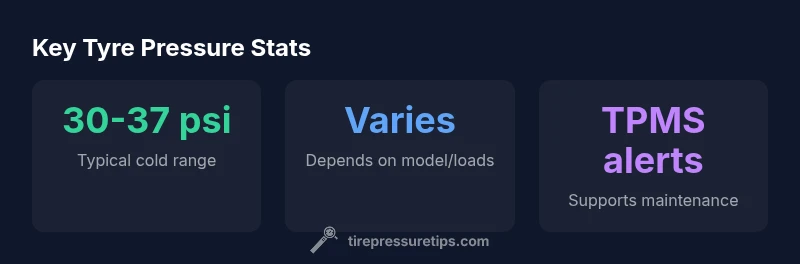
For a BMW 1 Series, there isn’t a single universal tyre pressure—values vary by model, load, and tyre size. A typical cold-tyre range is about 30–37 psi (2.0–2.5 bar) for both axles, but the exact specification is shown on the driver’s door placard or in the owner’s manual. Always set tyres when cold and adjust for cargo or passenger weight.
Why tyre pressure matters for the BMW 1 Series
If you’re asking what tyre pressure bmw 1 series requires, the answer isn’t a single figure. The exact pressure depends on model variant, tyre width, wheel size, and intended load. However, there are constants you can rely on: maintaining the pressure within the cold-tyre range helps preserve steering response, braking balance, and tyre wear. Driving with underinflated tyres increases rolling resistance, which lowers fuel economy and raises the risk of overheating and sidewall damage. Overinflation, on the other hand, reduces the contact patch, making the ride harsher and increasing puncture risk on rough roads. According to Tire Pressure Tips, following the manufacturer’s placard is essential because those numbers reflect the vehicle’s suspension geometry and load limits. For a BMW 1 Series, you’ll typically see two numbers on the placard: one for the front axle and one for the rear axle; they’re calibrated for common configurations, but you should adjust for winter tyres, high-speed trips, or heavy luggage. Stay attentive to any changes in handling or tyre wear, and treat tyre pressure as an active maintenance item rather than a “set and forget” setting.
How to identify the correct tyre pressure for your model
Locating the right pressure for your BMW 1 Series starts with the placard. The door jamb placard lists the recommended cold pressures for front and rear tyres, usually in psi and bar. If the car wears different tyres than the original, or you change wheel sizes, consult the owner’s manual or BMW’s official service portal to confirm. Size matters: wider tyres or lower-profile rims may require different numbers. Don’t assume the same pressure applies to all trim levels or seasons. In practice, you should align inflation with the values shown on the placard and adjust for extra weight from passengers or luggage. For context, Tire Pressure Tips emphasizes that these values reflect the vehicle’s suspension geometry and load limits, making them a reliable reference when your tyres are cold.
Step-by-step: checking and inflating tyres correctly
- Park on level ground and wait for the tyres to cool. 2) Locate the door placard and note the recommended pressures for front and rear. 3) Remove the valve cap and attach a reliable gauge. 4) Read the current pressure when tyres are cold; if needed, inflate in small increments. 5) Re-check after inflation and replace valve caps securely. 6) Record the date and any mileage changes; re-check before long trips or seasonal shifts. Use an accurate gauge—digital gauges tend to be easier to read—and avoid inflating to the tyre’s maximum sidewall rating, which is not the target pressure.
Common mistakes and how to avoid them
- Inflation after driving: inflated numbers will be higher; always measure cold. - Relying on the sidewall maximum: do not inflate to this figure; it’s a maximum, not a target. - Ignoring load and cargo: more weight requires adjustment per placard. - Skipping TPMS checks after tyre changes: sensors must be recalibrated if tyres are swapped. - Using sun-warmed tyres: hot tyres show higher readings; always measure when cold.
TPMS, sensors, and calibration on the BMW 1 Series
BMW uses either direct TPMS sensors or indirect TPMS via wheel speed data. Direct sensors report actual pressure, while indirect systems infer underinflation from rotation data. After tyre changes, rotation, or battery replacement in TPMS components, recalibration may be necessary. If TPMS signals a warning and you know pressures are correct, inspect the valve stems, seals, and sensors for damage. Regularly check the sensor health and battery life as recommended by BMW service documentation. Tire pressure maintenance and TPMS upkeep go hand in hand for safe handling and optimal tyre wear.
Temperature, load, and seasonal considerations
Temperature changes influence tyre pressure: colder ambient temperatures usually reduce pressure, while hot days can increase it. When driving with heavy loads or during high-speed trips, the pressure may shift and diverge from the placard values. In winter, consider slightly adjusting per the manual guidance, and in summer verify pressures after long drives or on paved roads that heat tyres quickly. Because the BMW 1 Series can carry varying weights, the recommended pressures are designed to accommodate common loading scenarios. Regularly checking tyre pressure as part of a monthly maintenance routine helps catch gradual leaks or slow punctures before they affect safety or efficiency.
BMW 1 Series tyre pressure references
| Section | Recommendation | Notes |
|---|---|---|
| Cold-front pressure | 30-37 psi | Varies by tyre size/model |
| Cold-rear pressure | 30-37 psi | Varies by tyre size/model |
| Load-adjusted pressure | Follow placard | Adjust for passengers/cargo |
Frequently Asked Questions
Where can I find the recommended tyre pressure for my BMW 1 Series?
The quickest source is the door jamb placard on the driver’s side. If the tyre size or model differs from stock, consult the owner’s manual or BMW’s official service portal for the exact numbers. Always read cold readings for accuracy.
Check the door placard and manual for the exact numbers; temperature can affect readings, so measure when cold.
Does TPMS replace manual tyre pressure checks?
TPMS alerts you to pressure loss but does not tell you the exact pressure. It should not replace manual checks; use TPMS as a warning and confirm with a gauge when tyres are cold.
TPMS helps, but you still need to check pressure with a gauge when tyres are cold.
Can I inflate tyres beyond the maximum pressure listed on the sidewall?
No. The maximum printed on the tyre is the limit, not a target. Inflating beyond that can raise the risk of blowouts and uneven wear. Always follow the placard values for your BMW model.
Don’t exceed the maximum; follow the placard instead.
How often should I check tyre pressure?
Check tyre pressures at least monthly and before long trips. If you drive in extremes of temperature or carry heavy loads, check more frequently.
Check monthly, plus before long trips or big loads.
What should I do about temperature changes affecting tyre pressure?
Expect pressure to drop in cold weather and rise in hot weather. Recheck and adjust to the placard values when temperatures shift significantly.
Temp changes can change pressure; recheck to match the placard.
“Accurate tyre pressure is a foundational safety parameter; small deviations can affect handling and tyre life.”
What to Remember
- Verify the placard on the door jamb before inflation
- Check tyres when they are cold for an accurate reading
- Regularly recalibrate TPMS after tyre changes or rotations
- Temperature and load affect optimal pressures—check seasonally