Tire Pressure Things Near Me: Local Guidance and Quick Checks
Find local tire pressure resources near you, understand TPMS alerts, and perform safe, effective tire pressure checks with practical steps from Tire Pressure Tips.


You’ll learn how to locate nearby tire pressure resources and perform safe checks, even when you’re searching for 'tire pressure things near me'. This quick answer sets you up with a practical plan: find trusted local help, verify readings with a gauge, and review TPMS alerts before driving. Follow the step-by-step guide to build confidence and avoid common mistakes.
Why Tire Pressure Resources Matter in Your Area
Locating reliable local resources for tire pressure care matters because it reduces guesswork and helps you avoid underinflated tires, which can affect fuel economy, handling, and tire life. When you search for 'tire pressure things near me', you’re more likely to encounter local gas stations, quick-lube shops, and tire centers that offer air checks, pressure gauges, and TPMS testing. According to Tire Pressure Tips, having a nearby option can save time and minimize risk on the road. Knowing where to go means you can get a quick pressure check before long trips, and you’ll have someone to contact if you suspect a slow leak or a faulty sensor. Local guidance also helps you understand vehicle-specific pressures, as some models require different targets than the general “30-35 psi” rule.
If you’re new to this, start by making a short list of local providers, keeping note of hours, fees (if any), and whether they offer free readings. That preparation pays off when you’re in a pinch and need a fast, accurate check. For many drivers, the goal isn’t just to pass a quick test but to establish a routine that keeps tires safe and fuel-efficient over time.
Understanding Tire Pressure Basics: Key Concepts for Every Driver
Tire pressure isn't a single number you memorize; it’s a target that depends on your vehicle, load, and driving conditions. The vehicle’s manufacturer-specified PSI (pounds per square inch) is the safe reference, usually found on a sticker inside the driver’s door jamb or in the owner’s manual. That value often sits between roughly 30 and 35 psi for many passenger cars, but SUVs and trucks often require higher targets. Do not inflate to the tire’s maximum sidewall number—the max is a limit for safety, not a target for everyday driving. When you check pressure, aim for the recommended value while the tires are cold (before you’ve driven them). If you can’t measure cold, allow the tires to sit for several hours or drive a short distance and recheck after they’ve cooled. Additionally, remember that TPMS is a helpful alert system, but it doesn’t replace a manual gauge for precision.
Beyond the number, there are other factors: tire load, speed rating, and the season can all influence the ideal pressure. By understanding the concept of cold vs. hot tire pressure and the impact of temperature, you’ll make better decisions every time you check.
How to Locate Trusted Local Resources: Gas Stations, Shops, and Apps
A smart search strategy helps you quickly find nearby trustworthy spots for tire pressure checks. Start with your vehicle’s manual or door sticker to note the recommended PSI, then search for “tire pressure near me” or “TPMS testing near me.” Look for places with visible air hoses, digital gauges, and staff who can perform a quick check. If you’re using apps, prioritize those that show hours, services offered, and user reviews. When you visit, ask the attendant or technician about whether they offer free readings and whether they perform TPMS relearns if needed. You can also call ahead to confirm capabilities and costs.
Finding a nearby shop or gas station with reliable air is a practical habit, especially if you don’t own a high-quality gauge or if you’re traveling. The Tire Pressure Tips team recommends checking the tire pressures after a long trip or a change in temperature, and keeping a small gauge in your glove box for on-the-road checks.
Tip: Keep track of which locations you trust for tire checks and note any differences in readings between locations to gauge consistency. This helps you build a personal reference library for future trips.
What Services You Can Expect at Local Venues
Local venues often offer a spectrum of tire pressure services beyond a simple read. Gas stations with air pumps may provide a basic psi read, while tire centers can perform more thorough checks, confirm the correct load-based pressure, and inspect valve stems for leaks. Some shops offer TPMS calibration or relearning services when sensors have been replaced or batteries fail. If you’re dealing with a sudden drop in pressure, a shop can also diagnose slow leaks from nails, punctures, or rim damage. When you approach a location, ask about: (1) whether they provide a free reading, (2) whether they perform quick TPMS relearns, and (3) if their service includes a formal pressure log you can keep.
Remember that the goal is accuracy, speed, and reliability. A good local partner will make you comfortable with the reading process, explain the reasoning if your data seems off, and guide you toward the right corrective action rather than simply “adding air.”
Tools You Should Carry in Your Vehicle
Carrying the right tools makes every tire-pressure task faster and more accurate. A portable tire pressure gauge (digital or analog) is essential; look for one with an accuracy of ±1 psi and a wide operating range. A copy of your vehicle’s PSI specification (from the door sticker or owner’s manual) is also convenient for quick reference. An air compressor or access to an air source at your destination is highly helpful, but be mindful of the maximum pressure your tires can safely take. A small notebook or note-taking app helps you log readings, dates, and any symptoms like slow leaks. A flashlight ensures you can see the valve stems clearly in low light. For night checks, use a bright, glare-free light and a clean rag to wipe valve stems before readings.
Pro tip: Keep the gauge and a spare valve-cap in the glove compartment for easy access, and remember to reseal the valve caps after every measurement to prevent contamination.
TPMS, Vehicle-Specific Pressures, and Relearning
Understanding TPMS (Tire Pressure Monitoring System) is crucial for modern cars. TPMS alerts you when a tire’s pressure deviates from the vehicle’s target, often by a few psi. However, TPMS readings aren’t a replacement for a manual gauge, especially if you’re diagnosing a potential leak or sensor fault. Vehicle-specific pressures can differ due to wheel size, tire type, or load. If you replace a tire or sensor, a relearn (or reset) may be required to align the TPMS with the new tire and wheel combo. Always confirm how your make and model handles relearning—some cars auto-calibrate, while others require a workshop procedure.
At times, a slow leak or failed sensor can trigger the TPMS light even when manual checks seem normal. In those cases, a precise gauge measurement alongside professional inspection is the safest approach. The Tire Pressure Tips team emphasizes using TPMS as a diagnostic aid, not the sole source of truth for tire pressure decisions.
Temperature Effects on Tire Pressure and Seasonal Tips
Temperature has a direct effect on tire pressure. As temperatures drop, air contracts and pressure falls; in warmer weather, pressure rises. A common rule of thumb is that tire pressure changes by about 1 psi for every 10 degrees Fahrenheit rise or fall in ambient temperature, though this varies with tire volume and load. Therefore, check pressures when tires are cold, ideally before the car has been driven or after at least a few hours of rest. In winter, check more frequently and consider adjusting to a slightly higher target if cold morning drives drop pressure noticeably. In summer, watch for over-inflation as tires warm up. Keeping a consistent check schedule aligned with the seasons can help maintain optimal grip, tire wear, and fuel economy.
Safety, Maintenance, and Handling Common Issues
Safety comes first when dealing with tire pressure. Underinflated tires increase heat buildup and can lead to blowouts, while overinflated tires reduce traction and cause uneven wear. If you notice a sudden loss of pressure, pull over safely, examine the tire for visible damage, and use a spare if necessary. Regular checks, using the right tools, and proper inflation technique help prevent long-term issues. If you suspect slow leaks, have the wheel inspected for nails, punctures, or valve stem problems. When in doubt, visit a reputable nearby tire shop for a professional assessment. Tire Pressure Tips recommends a routine that combines DIY checks with periodic professional verifications for best results.
Building a Practical Tire-Pressure Routine for Every Drive
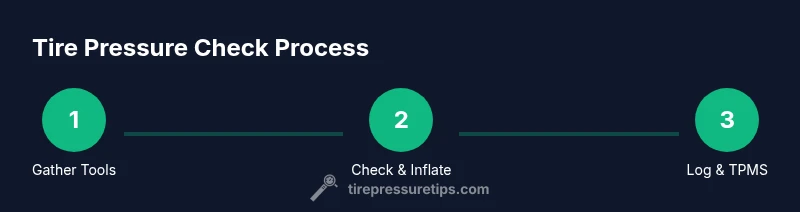
Establish a simple, repeatable routine that fits your schedule. Start by verifying your vehicle’s PSI specification, then check all tires when they are cold, ideally once a month and before long trips. Use a reliable gauge, record readings, and adjust as needed. If you rely on TPMS, use it as a quick warning system but still confirm with a gauge. Finally, keep your tools organized in the trunk: gauge, valve caps, and a compact air source. A consistent habit reduces the risk of blowouts, improves fuel efficiency, and extends tire life. By following this approach, you’ll stay prepared for changes in weather and road conditions.
Final Thoughts: Stay Proactive, Stay Safe
Proactive maintenance of tire pressure protects you, your passengers, and your wallet. The key is local knowledge, reliable tools, and a disciplined routine. When you combine a nearby resource network with a dependable manual gauge and smart TPMS use, you’ll move with confidence and lower the chances of unexpected flats. The Tire Pressure Tips team notes that a proactive approach—knowing where to go, how to measure, and how to react—empowers every driver to keep tires in top condition and road-ready.
Tools & Materials
- Portable tire pressure gauge (digital or analog)(Accuracy ±1 psi; prefer models with adjustable backlight for low-light checks.)
- Vehicle PSI reference (door sticker or owner's manual)(Use as the target value for each tire.)
- Air compressor or accessible air source(Regulated air is safer; avoid over-inflation.)
- Notebook or mobile notes app(Log readings (date, tire, psi) for trend tracking.)
- Torch or flashlight(Night checks require good lighting.)
- Cleaning cloth(Wipe valve stems before reading for accuracy.)
- Spare valve caps(Keep a spare in case of cap loss or damage.)
Steps
Estimated time: 25-35 minutes
- 1
Gather tools and locate PSI specs
Collect your gauge, the vehicle PSI reference, and an accessible air source. Confirm the exact target pressure for each tire from the door sticker or owner's manual. This foundation prevents guessing and ensures accuracy during the check.
Tip: Having the PSI targets written down helps you stay consistent across sessions. - 2
Check tires when cold
To get an accurate reading, measure tire pressure when the tires are cold, either before driving or after they’ve sat for a while. Driving heats air and inflates the readings, giving a falsely high result.
Tip: If you’ve just driven, wait at least 3 hours before re-measuring. - 3
Remove valve caps and test
Unscrew the valve cap, press the gauge nozzle firmly onto the valve stem, and read the psi. Repeat on all four tires, including the spare if you ever intend to use it.
Tip: Wipe the valve stem first to avoid dirt entry and false readings. - 4
Inflate to target PSI
Add air gradually, checking frequently to avoid over-inflation. Use the gauge to verify each tire reaches the recommended pressure.
Tip: If one tire is low, inflate to target, then recheck all others to keep even handling. - 5
Re-check all tires after inflation
Double-check every tire after inflation. Small leaks or fluctuating readings deserve attention; address slowly leaking valves or punctures promptly.
Tip: Always re-check after adjusting to ensure accuracy. - 6
Inspect TPMS status and relearn if needed
If you replaced tires or sensors, a TPMS relearn might be required. Confirm with your vehicle’s manual or a nearby shop to ensure the system is synchronized.
Tip: A miscalibrated TPMS can give misleading warnings; don’t ignore persistent lights. - 7
Record readings and set reminders
Document current readings by tire and set a monthly reminder to re-check. A short, consistent log helps catch slow leaks early.
Tip: Keep a digital note with date, PSI per tire, and ambient temperature if possible. - 8
Seek professional help if there are leaks
If you detect a slow leak, nails, or valve stem damage, visit a tire shop for a repair. Never ignore slow loss of pressure.
Tip: Professional checks are warranted if you see rapid pressure loss between readings.
Frequently Asked Questions
How often should I check my tire pressure?
Check at least once a month and before long trips. Tires lose pressure gradually, even without a noticeable leak, so routine checks help maintain safety and efficiency.
Check at least monthly and before long trips to keep tires safe and efficient.
Can I rely on TPMS alone instead of manual checks?
TPMS alerts you to pressure changes, but you should still verify with a manual gauge for accuracy, especially if the alert is recent or readings seem inconsistent.
TPMS helps, but always verify with a gauge for accuracy.
Why does temperature affect tire pressure?
Temperature changes affect air pressure; colder air lowers psi and warmer air increases it. Check pressures when tires are cold and adjust for seasonal conditions.
Temperature affects pressure; check when cold and adjust for seasons.
Should I inflate to the max PSI on the tire sidewall?
No. The max listed on the sidewall is the maximum tire pressure it can safely handle, not the recommended operating pressure for your vehicle. Always follow the vehicle’s PSI spec.
Never inflate to the sidewall max; follow vehicle specs.
What if TPMS stays on after inflation?
Persistent TPMS alerts after inflation can indicate a slow leak, damaged sensor, or faulty valve. Have the system inspected if readings remain abnormal.
If the light stays on after inflation, get the system checked.
Should I check the spare tire as well?
Yes. The spare can also lose pressure over time; ensure it’s ready for use when needed.
Don’t forget to check the spare too.
What to Remember
- Check tires cold for accuracy.
- Know your vehicle’s PSI target and follow it.
- Use a reliable gauge and log readings regularly.
- TPMS supports safety but isn’t a substitute for manual checks.
- Seasonal temperature changes affect tire pressure; adjust checks accordingly.