Tire Pressure Guide for Nissan Leaf
A practical, step-by-step guide to checking and adjusting tire pressure on a Nissan Leaf. Learn how TPMS, temperature, and load affect efficiency, and get a reliable routine for safer, more efficient winter and summer driving.


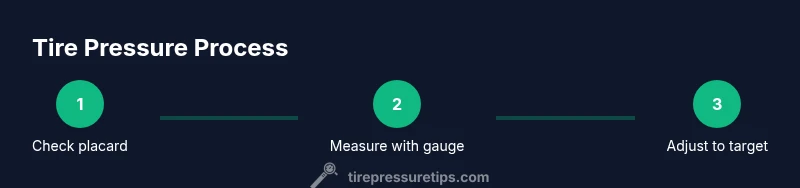
According to Tire Pressure Tips, optimizing tire pressure for a Nissan Leaf can improve range, safety, and ride quality. To start, locate the recommended cold tire pressure on the door placard or owner's manual and check all tires with a digital gauge when cold. Inflate or deflate to that target, then recheck after a short drive and adjust for temperature or load.
Why Tire Pressure Matters for Nissan Leaf
Tire pressure is a simple, powerful lever you can pull to improve safety, handling, and even the driving range of your Nissan Leaf. When tires are underinflated, rolling resistance increases, which makes the motor work harder and reduces efficiency. Overinflated tires can ride harshly and wear the center tread faster, reducing grip in wet or slippery conditions. For an electric vehicle like the Nissan Leaf, optimal tire pressure helps maximize range by minimizing energy loss due to excessive flexing of the tire sidewalls. The Tire Pressure Tips team emphasizes that consistent, correct tire pressure is one of the most practical ways to protect your EV’s performance over time. Always start with the official cold-pressure specification found on the door placard or in the owner’s manual, then verify with a reliable tire gauge.
Understanding Nissan Leaf Tire Specs and TPMS
The Nissan Leaf uses a tire-pressure monitoring system (TPMS) to alert you if a tire drops below the recommended pressure. TPMS is a convenience and safety feature that helps you catch slow leaks before they become dangerous blowouts. Your Leaf’s recommended pressures can vary based on tire size, load, and driving conditions. Different wheel and tire configurations may have slightly different targets, so always rely on the placard behind the driver door or the official Nissan manual for exact values. Expect the system to warn you well before a pressure drop becomes unsafe, but don’t wait for the light—check regularly, especially after a long trip or changing seasons.
The Tire Pressure Tips guidance notes that a consistent maintenance habit reduces tire wear and helps preserve range in EVs. Regular checks also help you spot slow leaks from nails, pinch flats, or bead leaks early, saving you time and money in the long run.
Checking Cold Tire Pressure: A Practical Routine
A reliable routine centers on cold-tire readings, since heat from driving temporarily raises tire pressure. Start with all four tires plus the spare if you carry one. Remove the valve caps and use a digital tire pressure gauge for accuracy. Compare each value to the placard, then adjust by adding air or releasing air as needed. Recheck after sealing and a few minutes of rest with the car stationary. Always measure when tires are cold for the most accurate reading. If you don’t have a gauge, a local gas station or tire shop can check them for you, but expect a nominal fee in some locations. Consistency matters—check at the same time of day, ideally before driving.
How Temperature and Load Affect Tire Pressure
Temperature changes are a common reason for pressure fluctuation. Cold mornings can drop tire pressure; hot summer days can raise it, which affects handling and range. A Leaf with a full load may require a slightly higher cold-pressure target to compensate for added weight and traction demands. If you routinely carry a passenger or heavy cargo, verify the placard’s guidance and adjust accordingly. The goal is to maintain steady contact between the tire and road with even wear across the tread. Remember that the tire’s mass and your speed influence the pressure you read on the gauge, so regular checks help keep your Leaf performing consistently.
How to Set and Verify Tire Pressure on a Nissan Leaf
- Find the official cold-pressure specification on the door placard or owner’s manual. 2) Remove valve caps from all tires. 3) Use a digital gauge to measure each tire when cold. 4) Add air or release air to reach the target pressure. 5) Replace valve caps and recheck after a short drive to ensure stable readings. 6) If TPMS warns or the light stays on, recheck and inspect for leaks or damage. 7) Check tires again after a temperature swing (early morning or late evening). 8) Periodically rotate tires and align wheels to maintain even wear. The Tire Pressure Tips approach is to treat tire pressure as an ongoing maintenance task, not a one-off check.
TPMS and Calibration: When and How to Intervene
If your Nissan Leaf shows a TPMS warning, start with a quick pressure check on all four tires and the spare if applicable. Incorrect readings can occur after tire rotations, repairs, or changes in temperature. If a tire remains low after inflation, inspect for slow leaks, damaged valves, or bead leaks. Some Leaf owners reset TPMS after inflating to the correct pressure, but not all vehicles require a reset. Always refer to the owner’s manual for your model year’s TPMS reset procedure. If you replace tires, have the TPMS sensors calibrated or reprogrammed at a qualified shop.
Long-Term Maintenance and Safety: A Practical Rhythm
Create a monthly tire pressure check as part of your Nissan Leaf maintenance routine. In addition to the placard values, note any unusual vibration, pulling, or changes in range. Keep a small digital gauge in your car, and consider a seasonal check cadence: more frequent checks during extreme temperatures or after long road trips. Safety remains the top priority; underinflated tires can overheat and fail, while overinflated tires may reduce grip in wet conditions. By keeping tires within spec, you preserve handling, safety, and efficiency for your Leaf.
Quick Start Checklist for Nissan Leaf Tire Pressure
- Locate the official cold-pressure value from the placard or owner’s manual. - Use a reliable digital tire gauge. - Check all tires (including the spare) when cold. - Inflate/deflate to match the target pressure. - Recheck after a short drive to confirm stability. - Recheck again after temperature changes or loading shifts. - Schedule regular maintenance checks with a reputable shop if you’re unsure.
Following these steps will keep your Nissan Leaf safer, more efficient, and ready for everyday driving.
Tools & Materials
- Digital tire pressure gauge(Choose a gauge with a clear readout and a wide measurement range (e.g., 0-60 psi).)
- Tire inflator or air compressor(Prefer a unit with a built-in gauge for on-the-spot adjustments.)
- Owner's manual and door placard(Used to verify the exact cold-pressure targets for your Leaf’s tire size.)
- Valve cap replacement(Keep spare valve caps in the glove box; replace if damaged.)
- Notebook or app log(Record readings and changes to monitor trends over time.)
- Spare tire and jack (if applicable)(Check spare pressure and condition so you’re prepared for emergencies.)
Steps
Estimated time: 20-30 minutes
- 1
Find the official cold-pressure spec
Look at the door placard on the driver’s side jamb or consult the Nissan Leaf owner’s manual for the exact cold tire pressure targets for your tire size and load. This value is the target you should aim for when tires are cold.
Tip: Always use the placard value as the baseline; differences exist between tire sizes and trim levels. - 2
Measure each tire while cold
Remove the valve cap and attach a digital gauge to the valve stem. Take a steady, perpendicular reading from the gauge for accuracy. Repeat for all four tires and the spare if you carry one.
Tip: Take readings before you’ve driven anywhere that day to avoid heat-inflation bias. - 3
Inflate or deflate to target
If a tire is below the target, add air in small increments and recheck. If it’s above, release air gradually and recheck. Do not exceed the placard value.
Tip: Small adjustments (2-3 psi at a time) reduce overcorrection and improve accuracy. - 4
Recheck after a short drive
Drive 3-5 miles to let the tires warm up, then measure again. Temperature affects readings, so confirm you’re still near the target after a short drive.
Tip: If readings drift noticeably after warming, re-evaluate to account for ambient temperature changes. - 5
Check TPMS and leaks
If the TPMS light remains on after inflating, inspect tires for leaks, punctures, or valve seal issues. A persistent warning should be checked by a professional.
Tip: Don’t ignore a TPMS warning; it can indicate a slow leak or a damaged sensor. - 6
Document and schedule regular checks
Keep a simple log of readings and date. Plan monthly checks, especially during seasonal changes or after long trips.
Tip: Regular checks help catch issues early and protect range performance. - 7
Spare tire and wheel care
Ensure the spare is properly inflated and accessible. If the Leaf uses a different tire size, note the mismatch and adjust your maintenance plan accordingly.
Tip: A healthy spare is a critical safety asset in emergencies.
Frequently Asked Questions
Why is tire pressure important for Nissan Leaf's range and safety?
Tire pressure directly impacts rolling resistance, grip, and range. Properly inflated tires reduce energy loss, improve handling, and help protect tire wear. Following the official cold-pressure targets ensures the Leaf operates efficiently under various loads and driving conditions.
Tire pressure affects range, safety, and handling. Keeping tires inflated to the right specifications helps your Nissan Leaf go farther on a charge and stay safer on the road.
How often should I check tire pressure on a Nissan Leaf?
Check tire pressure at least once a month and before long trips. Do so more frequently in extreme temperatures or when carrying heavy loads. Always measure when tires are cold for accuracy.
Check your tire pressure monthly, before long trips, and after big temperature changes. Measure when the tires are cold for accuracy.
What should I do if TPMS stays on after inflating to the target?
If the TPMS light remains on, inspect for slow leaks, damaged valves, or bead leaks. If you cannot locate the issue, consult a tire professional. Do not ignore a persistent TPMS warning.
If the TPMS light stays on after inflating, look for leaks or valve problems, and see a professional if you can't find the issue.
Can temperature affect tire pressure in an EV like the Nissan Leaf?
Yes. Cold temperatures reduce tire pressure, while heat increases it. Adjust your checks with seasonal changes and consider rechecking after significant temperature swings.
Temperature changes can push tire pressure up or down, so recheck during seasonal shifts.
Is it okay to mix tire brands on a Nissan Leaf?
Mixing brands is generally discouraged for EVs because differences in tread pattern and stiffness can affect handling and wear. If mixing is unavoidable, ensure all tires meet the vehicle’s minimum requirements and monitor wear closely.
It's best to keep tires consistent in brand and type for best handling and wear. If you must mix, monitor wear closely.
How does tire pressure influence charging efficiency?
Proper tire pressure reduces rolling resistance, which can help maximize range. Regular maintenance, including pressure checks, supports efficient driving and can contribute to consistent charging needs.
Good tire pressure means less rolling resistance, helping the Leaf go farther between charges.
Should I use nitrogen in tires for better performance?
Nitrogen can reduce moisture and slight pressure drift but does not provide a meaningful range increase. Regular tire pressure checks with a gauge remain the most reliable way to maintain performance.
Nitrogen isn’t a magic fix; regular pressure checks are the best way to keep performance steady.
Watch Video
What to Remember
- Check tire pressure regularly using the Leaf placard.
- Use a digital gauge for accurate cold readings.
- Monitor TPMS and address leaks quickly.
- Seasonal temperature changes affect readings; adjust routine.