Tire Pressure for the 986 Boxster: Essential Guide
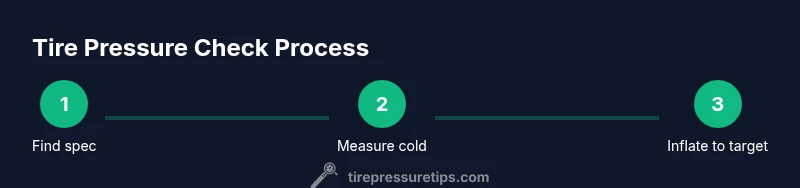
Learn how to safely check and adjust tire pressure on the Porsche 986 Boxster, interpret TPMS alerts, and maintain proper inflation for safety and performance. This guide covers cold-measurement basics, tools, step-by-step how-tos, tips, FAQs, and a visual infographic.


By the end of this guide, you will learn how to safely check and adjust tire pressures on your 986 Boxster, interpret TPMS alerts, and troubleshoot common inflation issues. You’ll learn where to find the official pressure values, how to measure tires cold, and how to maintain proper inflation across load and temperature changes. This practical, step-by-step approach protects tires and performance.
Why tire pressure for the 986 Boxster matters
According to Tire Pressure Tips, maintaining optimal tire pressure for the 986 Boxster is essential for safety, handling, and tire longevity. Underinflation can reduce cornering grip and increase heat buildup, while overinflation can lead to a harsher ride and uneven wear. The Boxster 986's weight distribution and mid-engine design mean small pressure changes can noticeably alter steering response and braking feel. This guide explains why you should treat tire pressure as part of a regular maintenance routine, not a one-off check before a road trip. You’ll also learn how to recognize signs that your tires are not at the correct pressure, such as an abnormal vibration, increased tire noise, or a TPMS warning that flashes on startup. By keeping tires within the vehicle's recommended cold-tyre range, you reduce wear patterns and improve consistency across various driving conditions. A consistent pressure level supports safer braking, steadier cornering, and better fuel efficiency over the life of your tires.
Checking Your Tire Placard and TPMS Basics
The official tire pressure values for a 986 Boxster are published by the manufacturer and shown on the door jamb placard. Start there, then verify with the owner’s manual for any model-specific nuances. TPMS sensors monitor pressure and will illuminate if a tire drops below the target range. For accurate readings, perform checks with the tires cold and parked in a shaded area, away from direct sun or recent highway driving. This reduces reading skew from heat buildup. Remember, the placard indicates cold pressures for normal driving; ambient temperature and load can shift readings, so use the placard as your baseline and adjust accordingly. The Tire Pressure Tips team emphasizes consistency: check regularly, especially across seasons, and document readings for trend awareness.
Temperature, Load, and Tire Pressure: What You Should Know
Temperature swings are a primary driver of tire pressure changes. In 2026 data gathered by Tire Pressure Tips, a typical cool morning reading can differ from afternoon readings due to ambient temperature and road heat. Heavy loads, high-speed driving, and long trips also influence pressures. Always measure when tires are cold, and adjust in small increments if you notice a steady drift after temperature shifts. If you routinely drive with a full load or carry a passenger-heavy payload, you may need to adjust within the car’s recommended range. This section helps you interpret variations you observe on your dashboard TPMS and keep your tires within safe limits across seasons.
Tools and Methods for Accurate Measurement
Accurate tire pressure measurement requires a reliable gauge and a methodical approach. A digital tire pressure gauge is preferred for quick, precise readings. Before use, calibrate your gauge if possible and compare its accuracy against a known reference. Always start with cold tires, remove the valve cap, press the gauge onto the valve stem squarely, and note the reading. Release and re-check to confirm consistency. If the reading seems off, test again after letting the tire cool for a few minutes and avoid inflating immediately after a drive. For the 986 Boxster, the TPMS can help flag sustained low pressures, but manual checks ensure you’re within the exact target range rather than relying solely on the sensor.
Practical Inflation Scenarios for Daily Driving
Most daily driving scenarios for a Boxster 986 fall within a typical passenger-car pressure range, but variations in load and weather require adjustments. - Commuting with a light load: verify your baseline on a cold morning and adjust within the manufacturer’s recommended range. - Weekend trips with luggage: you may need a slight increase to maintain handling performance and tire shape under heavier loads. - Weekend drives on warm days: monitor for gradual pressure increases from road heat, then adjust back toward baseline if readings rise noticeably. Keeping a small inflator gauge in the trunk is useful for quick top-ups on long trips. Remember, pressure is not a fixed value; it’s a target influenced by temperature and load—a small adjustment can yield noticeable improvements in ride quality and safety. Tire Pressure Tips recommends regular checks to keep the tires in their optimal operating window.
Common Issues and Quick Fixes for the 986 Boxster
Common issues include sporadic TPMS warnings, slow leaks, and valve-stem seepage. If the TPMS light stays on after inflating to the target pressure, inspect the valve stems and seals for leaks or damage, and consider a professional TPMS diagnosis if the light persists. Also check for slow leaks caused by penetrations or damaged tire beads, which can mimic underinflation on a gauge. Regular inspections of tread depth and wear patterns can reveal contact inconsistencies caused by improper pressure. Finally, remember that the pressure you set should reflect the cold- tire state; if you drive and warm the tires, re-check when they cool again to ensure you haven’t drifted out of spec. A disciplined routine prevents abnormal wear and maintains consistent handling across road conditions.
Tools & Materials
- digital tire pressure gauge(calibrate before use; validate against a known reference if possible)
- air compressor or access to inflating station(capable of delivering precise pressure; 50 psi max recommended for general use)
- owner's manual or door jamb placard(for exact cold-pressure targets)
- clean rag or tissue(wipe valve stem and gauge for accurate readings)
- tire valve caps(helps keep contaminants out; re-install after reading)
- soap solution or leak-detect spray(use if you suspect slow leaks at valve stems or bead)
- notebook or digital log(record readings and track changes over time)
Steps
Estimated time: 30-45 minutes
- 1
Locate official tire pressure targets
Open the driver's door and read the placard; note the cold tire pressures for front and rear tires. If needed, consult the owner’s manual for model-specific notes. This step establishes your baseline for all following adjustments.
Tip: Use a clean surface to read the placard; verify magnification if the text is faded. - 2
Measure cold tires with a gauge
Before driving, remove valve caps and press the gauge squarely onto each valve stem to obtain a reading. Repeat on all tires to confirm consistency and record the numbers.
Tip: Check at least once for each tire, then compare with the placard values. - 3
Inflate or deflate to target pressures
If readings are low, add air in small increments (roughly 0.5 psi). If readings are high, release air in small increments. Re-measure after a minute to account for any settling.
Tip: Avoid overshooting; adjust in 0.5–1 psi steps and re-check. - 4
Re-check and assess TPMS
After you adjust all tires, drive a short distance and re-check when the tires are cold again to confirm stability. If TPMS remains illuminated, consult the vehicle manual or a professional to check sensor integrity.
Tip: TPMS can misread due to sensor fault or temperature changes. - 5
Inspect for leaks and wear
Look for slow leaks around valve stems, rims, and bead areas. If you notice bubbles with soapy water, address the leak before continuing to drive.
Tip: Address leaks promptly; they can cause rapid pressure loss. - 6
Document your pressure routine
Record the date, time, ambient temperature, and tire pressures. Schedule future checks (e.g., monthly or with seasonal changes) to maintain consistency.
Tip: A simple log helps identify trends and catch drift early.
Frequently Asked Questions
Where can I find the official tire pressure specification for my 986 Boxster?
The official pressures are on the door jamb placard and in the owner’s manual. Use these as your baseline, and remember that temperature and load can cause readings to drift.
Check the door jamb placard for your Boxster’s official pressures, then confirm with the manual if you need model-specific notes.
How does temperature affect tire pressure on the 986 Boxster?
Temperature changes cause readings to vary; cold tires read lower than warm tires. Always measure when tires are cold and adjust gradually as temperatures shift.
Temperature changes make readings drift; measure cold, then adjust as needed.
What should I do if the TPMS stays on after inflating to the target pressure?
A continuous TPMS light can indicate a faulty sensor or a slow leak. If readings are correct but the light stays, have the TPMS system inspected by a professional.
If the light won’t go off after inflating, have the TPMS checked for sensor faults or leaks.
Is it safe to inflate tires to the maximum printed on the sidewall?
No. The sidewall maximum is a safety limit, not the inflation target. Always follow the manufacturer’s recommended cold pressures.
Don’t inflate to the max stamp on the tire; use the placard values as your guide.
How often should I check tire pressure on a Boxster 986?
Check at least once a month and before long trips. Increase frequency during temperature fluctuations or changes in load.
Check monthly, especially before trips or when temperatures swing.
Watch Video
What to Remember
- Check cold tire readings first
- Follow official placard targets for inflations
- Measure with a reliable gauge
- Inflate in small increments and re-check
- Maintain a tire-pressure log for trend monitoring