Tire Pressure 911SC: A Practical How-To for Your Classic Porsche
Step-by-step guide to check, adjust, and maintain tire pressure on a Porsche 911SC. Practical tips for cold readings, tool selection, and seasonal adjustments to optimize safety and tire life.


Goal: Learn how to check and adjust tire pressure for a classic Porsche 911SC. This guide covers cold vs warm tires, how to read the correct PSI from your owner's manual or placard, and how to use a reliable gauge. You’ll finish with safe inflation, balanced wear, and better handling.
Why tire pressure matters for classic cars like the 911SC
For classic cars such as the Porsche 911SC, tire pressure isn't just a number on a placard—it's a dynamic factor that shapes handling, wear, and safety. The right pressure improves contact with the road, ensures stable steering, and distributes load evenly across the tire tread. Underinflation causes heat buildup and excessive sidewall flex, which can shorten tire life and negatively affect grip in cornering. Overinflation, meanwhile, reduces the contact patch and can lead to a harsher ride and uneven wear along the center. In 2026, tire technology and tire pressure guidance emphasize consistent cold readings and season-aware adjustments, which matters even for a vintage sports car. The Tire Pressure Tips approach is to start with the manufacturer’s recommended cold pressure, then adjust modestly for load changes or aggressive driving styles. If you drive a 911SC with a vintage tire size or aftermarket rubber, use the tire sidewall maximum only as a safety ceiling, not a target pressure. Regular checks help prevent maintenance issues and unexpected flats when you’re miles from the workshop.
Tire pressure basics: cold air, hot tires, and safe ranges
Tire pressure is sensitive to temperature. Cold tires reflect your vehicle’s baseline specification, while hot tires can read higher after driving, leading to overestimation if measured immediately. The general rule of thumb is to start with the manufacturer’s recommended cold pressure and adjust for load, climate, and driving style. For most passenger cars, a common target range sits around the low to mid 30s psi, but exact values vary by tire size, load, and speed rating. Always consult the 911SC owner’s manual, the door placard, or the tire sidewall for a precise figure. In the absence of a specific number, use a documented range and recheck after a trip to ensure you haven’t drifted beyond safe limits. Consistency matters—measure the same point on each tire, and do not mix mismatched pressures across axles.
How to locate the correct tire pressures for a 911SC
Older sports cars like the 911SC often rely on the original placards or the owner’s manual for tire pressure guidance. If the car lacks a modern TPMS, the correct pressures are typically documented in the glovebox manual or on a sticker inside the trunk lid or door jamb. When upgrading tires or wheels, recheck the pressure targets because a different tire footprint can shift the ideal psi. If you’re unsure, start with a conservative mid-range pressure and adjust by small increments after a short drive, then recheck. If you frequently carry passengers or luggage, compensate for the extra load by modestly increasing the target pressure within the safe range. Remember: never exceed the maximum pressure printed on the tire sidewall as a target. The goal is even tread wear and dependable grip during spirited driving.
Tools and gauges: choosing accuracy for a precise check
A reliable tire pressure gauge is the most important tool. Digital gauges provide easy readability, while high-quality analog gauges require a careful eye for needle alignment. For a 911SC, you’ll also want a gauge that reads in both psi and kPa, so you can match what the tire manufacturer or the placard specifies. Keep a small notebook or a digital record to log readings over time and notice gradual changes. A portable air compressor with a built-in gauge is convenient for on-the-go adjustments, but avoid topping up air by feel—use measured increments. Optional but helpful: a tire temperature gun to spot thermal variation across tires after a drive, which might indicate imbalances or underinflation hotspots.
Step-by-step: check tire pressure with a gauge and adjust
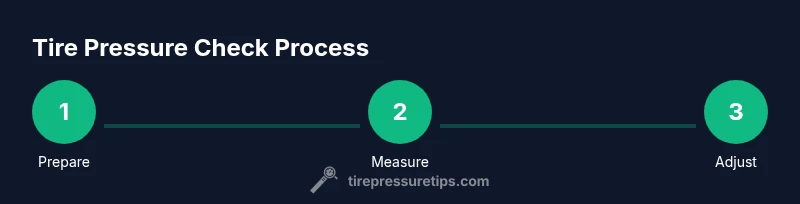
- Park on a flat, shaded surface; ensure the car is off and tires are cold. 2) Locate the correct target pressures from the owner’s manual or placard. 3) Remove the valve cap and firmly attach the gauge to the valve stem. 4) Read the pressure and compare to the target; if low, add air in small increments. 5) Repeat on all four tires and recheck after adding air. 6) If readings are high, release air gradually until you reach the target. 7) After adjusting all tires, reinstall valve caps and record the new values. 8) Re-test again after a short drive to confirm stability. Time estimate: about 25–40 minutes.
Inflation targets: adjusting for load, speed, and wear
Load and speed influence how the tire behaves on the road. Heavier loads or spirited driving typically justify a modest increase in tire pressure within the recommended range to preserve the contact patch and avoid excessive heat. If you notice squirmy steering or unusual wear on the shoulders, recheck and fine-tune within the manufacturer’s stated limits. Seasonal changes—warmer months can slightly increase reading, while cold snaps can lower it—may require a seasonal adjustment plan. Always avoid inflating beyond the tire’s maximum pressure, as this can reduce grip and increase the risk of a blowout on a high-performance car like the 911SC.
Seasonal and temperature considerations
Temperature swings have a direct impact on tire pressure. A 10-degree drop in ambient temperature can decrease psi by roughly 1 psi, though actual changes depend on tire volume and carcass stiffness. For classic cars, this means you may see regular pressure drift across seasons. A practical approach is to check pressures during each seasonal transition and correlate readings with driving conditions. If you store the car for the winter, fill tires to the lower end of the recommended range to minimize excess wear when temperatures rise again. Consistency across checks helps ensure predictable handling and safer performance.
Common mistakes and how to avoid them
Common pitfalls include inflating or deflating based on a single reading, measuring after a drive, or relying on the tire’s maximum pressure as a target. Never mix tire brands or sizes across axles without confirming if the manufacturer allows it; mismatches can cause erratic handling. Avoid ignoring leak symptoms like slow pressure loss or sticky valves. Always use a calibrated gauge and record your readings to detect gradual changes over time. For a 911SC, ensure that any aftermarket tires maintain the correct load index and speed rating to preserve alignment and suspension geometry.
Maintenance routine and long-term checks
Create a simple maintenance schedule that aligns with your driving rhythm. Check pressures monthly, before long trips, and after season changes. Keep a log of readings, repairs, and tire age. Rotate tires as recommended by the manufacturer to promote even wear, and inspect for cracks or sidewall damage during each check. For the 911SC, a well-maintained tire pressure routine helps preserve steering feel, cornering precision, and tire longevity, particularly when driven on winding roads or demanding tracks.
Special considerations for TPMS and modern upgrades on an older car
Some owners retrofit TPMS sensors or install modern wheels on vintage platforms like the 911SC. When TPMS is present, use the system readings as a supplemental check, but still verify with a physical gauge. If you upgrade tires or wheels, re-check the recommended pressures because contact patch and load distribution can shift with new rubber. Even without TPMS, maintain discipline with a reliable gauge and a consistent measurement routine. This approach protects both the tires and the vehicle's famous handling characteristics.
Tools & Materials
- tire pressure gauge (digital or analog)(Must read in psi and optionally kPa; calibrate periodically)
- owner's manual or door placard(Provides the manufacturer’s cold-pressure targets)
- portable air pump or compressor(For in-garage adjustments; ensure it has a gauge)
- marker and notebook or digital note(Record readings and track changes over time)
- tire temperature probe (optional)(Helpful for assessing even heat distribution)
Steps
Estimated time: 25–40 minutes
- 1
Assemble and prepare
Park on a flat surface and ensure the car is off. Gather the gauge, manual, and any measuring tools. Confirm tires are cold for the most accurate baseline readings.
Tip: Do not measure immediately after a drive; wait at least 3 hours if the car has been driven recently. - 2
Find target pressures
Consult the owner’s manual or placard to identify the cold psi targets for each axle and tire size. If you’re unsure, start with a conservative middle value.
Tip: If you have aftermarket tires, verify that the targets match tire size and load rating. - 3
Remove valve caps and attach gauge
Unscrew the valve cap and press the gauge onto the valve stem firmly to avoid air leaks. Read the gauge without moving the gauge or the wheel.
Tip: Make sure the stem is clean to prevent false readings. - 4
Read and compare
Compare the measured pressure to the target. If low, add air in small 1–2 psi increments and recheck after stabilizing for 1–2 minutes.
Tip: Avoid overinflation during a single step; gradual adjustments yield accuracy. - 5
Adjust all tires
Repeat steps 3–4 for the remaining tires. Ensure both front and rear pressures align with your vehicle’s alignment and wear patterns.
Tip: Consistency across tires helps prevent uneven wear and steering quirks. - 6
Recheck after a drive
If you’ve driven after inflation, recheck the pressures; temperatures rise while driving and can skew readings.
Tip: Record post-drive readings to monitor drift due to heat buildup. - 7
Document and store
Log the final pressures, date, and any notes about load or season. Use this history to guide future adjustments.
Tip: Keep your notes with the car’s maintenance folder for easy reference.
Frequently Asked Questions
Do 911SCs have TPMS?
Most 1970s Porsche 911SCs do not have TPMS as standard. If your car has been upgraded or retrofitted, check the sensors and calibration per the owner's manual.
Most 911SCs don’t have TPMS unless upgraded; verify any sensors in your model year.
How often should I check tire pressure?
Check at least once a month and before long trips. Temperature shifts merit an extra check during seasonal changes.
Check monthly and before trips.
Can underinflated tires cause damage?
Yes. Underinflation causes heat buildup, uneven wear, and reduced grip, especially on cornering.
Underinflation harms tires and handling.
Should I inflate when tires are warm?
No. Readings are higher when warm; measure cold and adjust after a drive if needed.
Measure cold for accuracy.
How to adjust for highway driving?
For heavy loads or high speeds, adjust within the recommended range, then recheck after a drive.
Increase within the spec for load and speed.
How do I know my gauge is accurate?
Test against another known-good gauge or compare readings from multiple gauges; replace if readings vary.
Test against another gauge to verify accuracy.
Watch Video
What to Remember
- Check cold tire pressure regularly
- Use a reliable gauge and record results
- Inflate to manufacturer targets, not maximums
- Account for load and temperature changes
- Recheck after driving and weather shifts